Philosophy · Simulation
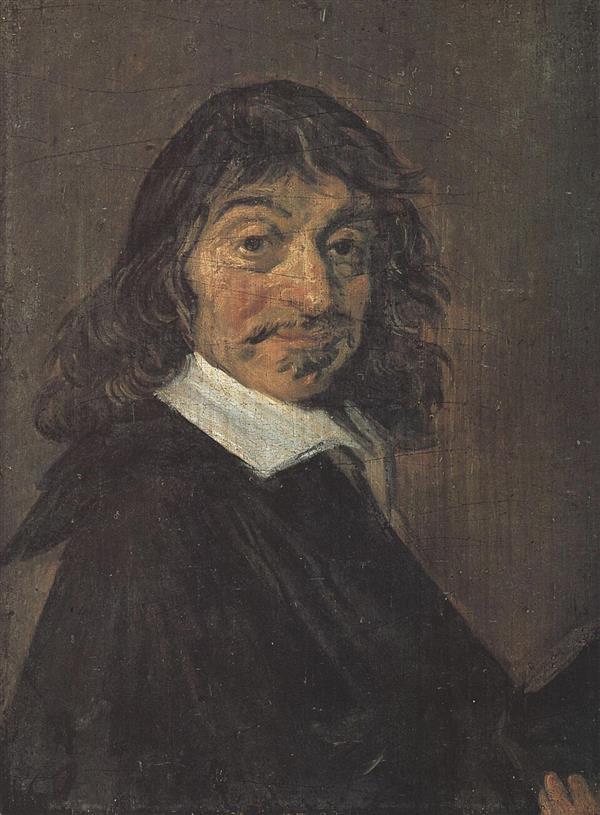
René Descartes
1596–1650 · Philosopher and mathematician
Even if we doubt everything, what can we know?
He explored the basis of our knowledge through methodical ideas of doubt, dreams, and illusory experience; brought the distinction between mind and body to the center of the debate.
Contribution: making doubt a method
In the Meditations dated 1641, Descartes initiates his search for definitive knowledge through the sometimes deception of the senses and the experience of dreams. The assumption that an illusory force guides our experience is a thought experiment used to test accepted beliefs. The existence of thinking activity even when doubting plays a central role in his attempt to ground his self-knowledge. The goal is not to constantly reject everything, but to find a solid start.
Mind, body and virtual reality
Descartes treats mental experience and physical extension as different qualities. This approach is still a reference in the debate about whether consciousness can be explained only in terms of physical processes. Our connection to the topic of simulation is the possibility of illusory experience: How can we determine the quality of the external world when looking through experience? This link is the modern interpretation; It does not mean that Descartes developed a theory of computer simulation.
Border and opposition
The doubt scenario is not evidence that the outside world is wrong. The mind-body distinction cannot be presented as a result confirmed by neuroscience. The relationship between bodily processes and experience is open to different philosophical and scientific explanations. It is more productive to read Descartes's contribution as a method that reveals the basis of our knowledge claims, rather than as a final answer.
Works, articles and further reading
We do not copy full texts; We direct you from our original explanations to the relevant work or publication record. Full text access may be limited in some publications.
Meditationes de prima philosophia · 1641 ↗Felsefi eser / Latince birincil metinStanford: Descartes' theory of knowledge ↗academic statementBu izi takip et
Read this person's contribution along with the relevant topic files; Compare our site's description with the primary work.