Published: 8 November 2026
Consciousness as a network problem
No single brain region has been shown to contain consciousness by itself. Many theories instead emphasize a balance: information must be integrated across distant systems while local regions remain specialized enough to carry distinct content.
What topology adds
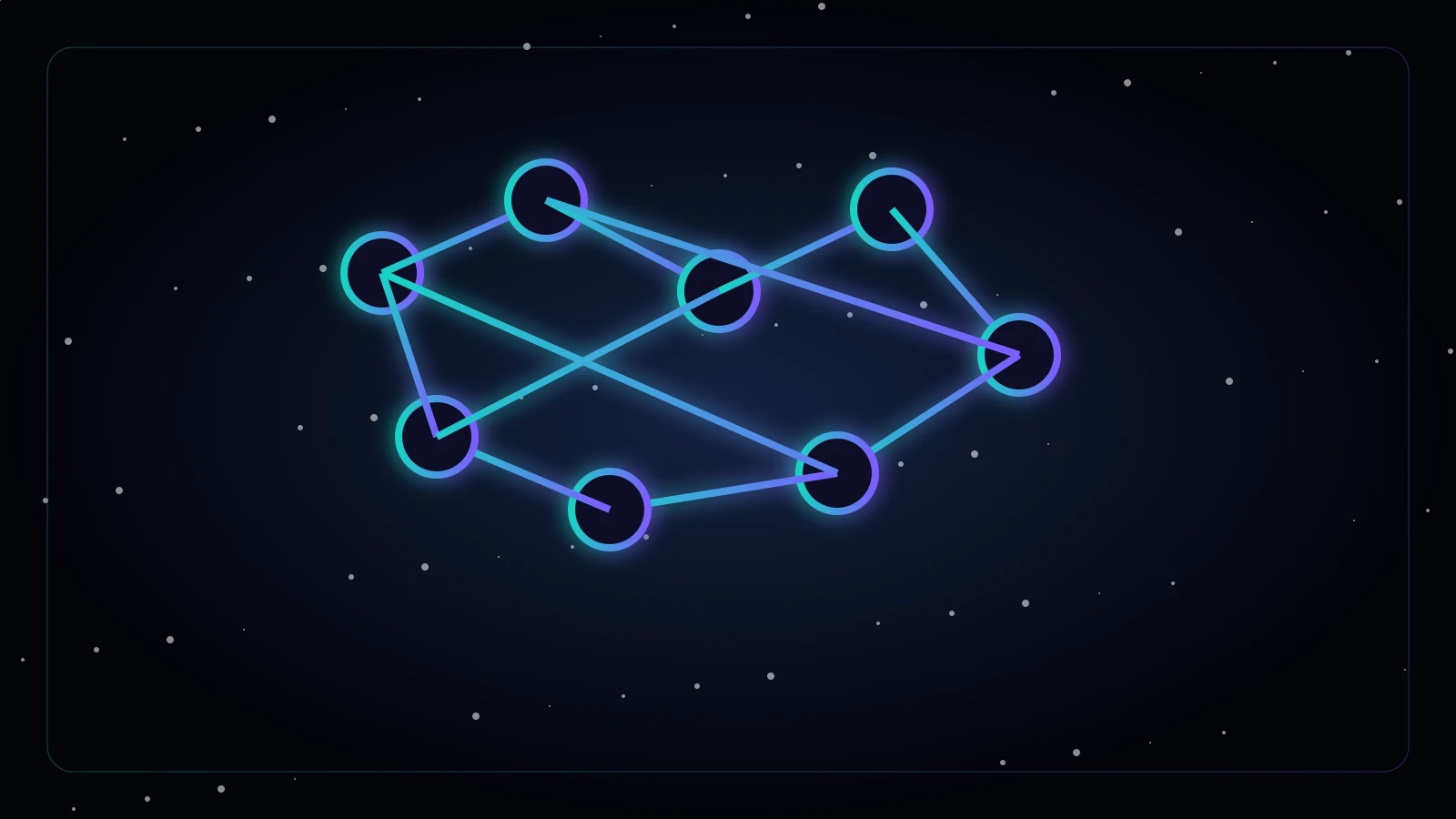
Network topology describes how nodes and connections form communities, bridges and hubs. Two brains may show similar average activity yet differ sharply in whether information can move between modules. That organization may reveal capacities hidden from a bedside examination.
State, behavior and prognosis
The 2026 analysis compared network integration and segregation with diagnostic state, observable behavior and later outcome in more than one hundred patients. Patterns that preserved richer coordination were associated with stronger signs of consciousness and more favorable prognosis.
A biomarker is not a mind reader
A statistical signature can estimate probability; it cannot tell us exactly what a patient experiences. Medication, injury location, movement artifacts and recording quality can influence the same measurements. Individual decisions require repeated tests and clinical context.
Why the result matters philosophically
The findings support a view in which consciousness depends on organization rather than raw activity alone. Yet correlation leaves open whether topology generates experience, enables it, or merely accompanies the underlying mechanism.
Discussion question
If a brain shows a network pattern associated with awareness but the person cannot respond, which evidence should guide medical and ethical decisions?
Sources and further reading
Communications Medicine — Topological integration and segregation of the conscious connectome as biomarkers for state, behavior, and prognosis ↗Share your answer
You must log in to reply.
Sign Up / Log InEstablished evidence, active research and philosophical interpretation are clearly separated.