Philosophy · Simulation
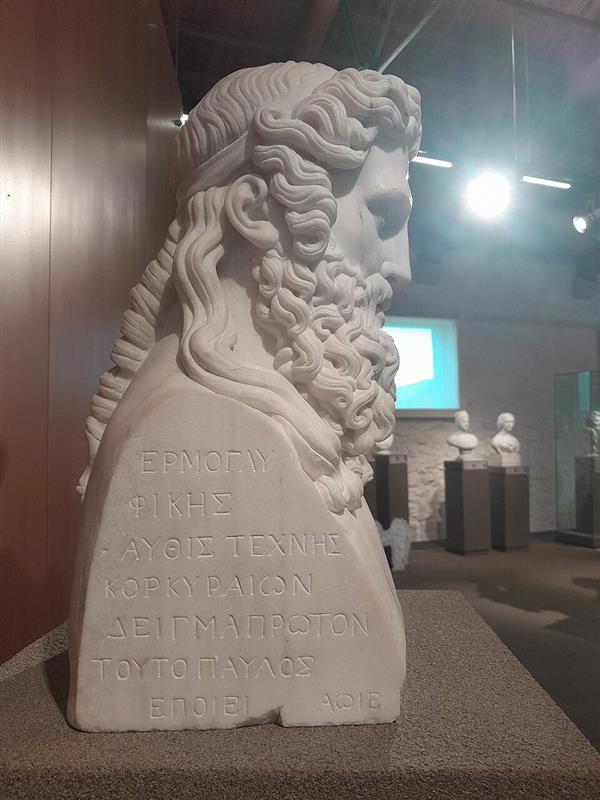
Platon
ca. 428/427–348/347 BC · Philosopher
Is the world we see the same as the world we think we know?
He questioned the relationship between appearance, knowledge and education through the metaphor of the cave. It is a thought starter for simulation discussions; It is not evidence of a physical simulation.
Contribution: going beyond appearance
VII of Plato's Republic. In the cave narrative in his book, people think that the shadows reflected on the wall are the whole of reality. Learning by the person coming out of the cave is not just seeing new objects; questioning his old beliefs and rebuilding his understanding. This narrative embodies the tension between knowledge and habit. Plato's purpose is not to talk about universes produced by computers, but to pose a philosophical problem on education and truth.
Link to today's topics
Distinguishing between the representation offered by a screen, sense, or model and what is represented is also useful in discussions of simulation and artificial intelligence. The link on the site is our comparative review; He does not attribute a modern technology prediction to Plato. A model can be very convincing; It does not follow that everything the model shows is true. The cave analogy invites us to consider this difference.
What doesn't it show?
The analogy is not data proving the existence of a scientific experiment, measurement or simulation of the structure of the universe. Philosophical questions enable us to examine our concepts and justifications; Physical claims also require observation. As you read, try this question: Is it the believability of an image or the ability to test it independently that makes us trust it?
Works, articles and further reading
We do not copy full texts; We direct you from our original explanations to the relevant work or publication record. Full text access may be limited in some publications.
State, VII. book · The parable of the cave ↗Felsefi eser / birincil metinBu izi takip et
Read this person's contribution along with the relevant topic files; Compare our site's description with the primary work.