THE EXISTENCE PROJECT
Discover the universe, consciousness and existence together.
The infinity symbol represents cosmic curiosity and the human journey into the unknown.
SCIENCE · DISCOVERY · A DEEPER REALITY
EXISTENCE
DISCOVER
From the Big Bang to quantum reality; A mysterious journey extending into space, time, consciousness and the unknown.
JOIN · QUESTION · SHARE
Not just the answer to an idea, journey is also valuable.
15 QUESTIONS · PERSONAL DISCOVERY
Create your cosmic thinking map.
15 questions from space-time, quantum, cosmology, simulation and philosophy; The answers show curiosity tendencies.
DEEPENED EXPLORATION
Examine the claim, the evidence, and the history of thought together.
NEW PUBLICATIONS · ORIGINAL SERIES
To read, question and return again.
 SPECULATIVE FILE · 6 EKİM 2026
If we were in the simulation, would we notice this?
A resourceful, speculative journey of thought on the computational cost of the universe, possible traces, and the limits of reality.
 NEW FILE · 5 EKİM 2026
Tracing the cosmic dust: galaxies appearing in a row
NASA's Overlap Zoo call turns galaxy pairs into an observing tool for cosmic dust.
 NEW FILE · 5 EKİM 2026
Listening to spacetime: new IR1 observation plan
LIGO, Virgo and KAGRA's September 3 schedule separates the renewal period and the new observation run.
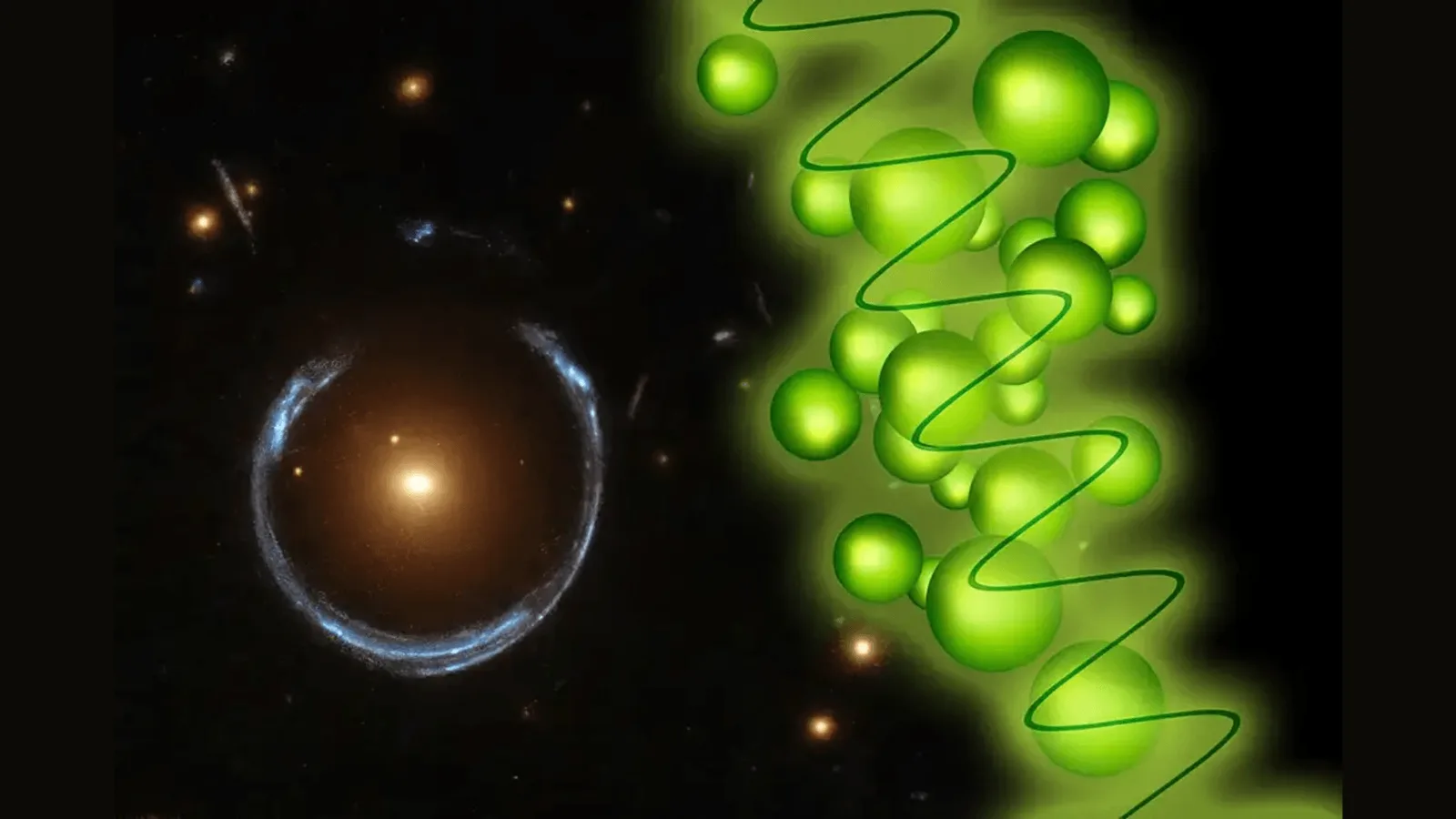 NEW FILE · 5 EKİM 2026
How can gravity create quantum entanglement?
The 2026 theoretical work examines the transformation from local coherence to mutual entanglement.
NEW FILE · 5 EKİM 2026World models: what does digital simulation prove?
The September 2026 release of PAN discusses action-based forecasting and long-term consistency.
 NEW FILE · 5 EKİM 2026
How do fast radio bursts probe matter in the universe?
The 109-source 2026 study opens a new window to the analysis of gas and cosmic structure around the galaxy.
 NEW FILE · 5 EKİM 2026
Is attention sufficient for consciousness?
The Stanford philosophy compilation, renewed in 2026, addresses the open debate between attention and consciousness.
 NEW FILE · 5 EKİM 2026
Where does artificial intelligence come in handy in science? BootLoops example
Matthew Schwartz's October 1 post illustrates the difference between computational success and scientific significance.
 NEW FILE · 4 EKİM 2026
How much does artificial intelligence contribute to its own development?
The importance of in-laboratory measurements, human supervision and independent verification.
 NEW FILE · 4 EKİM 2026
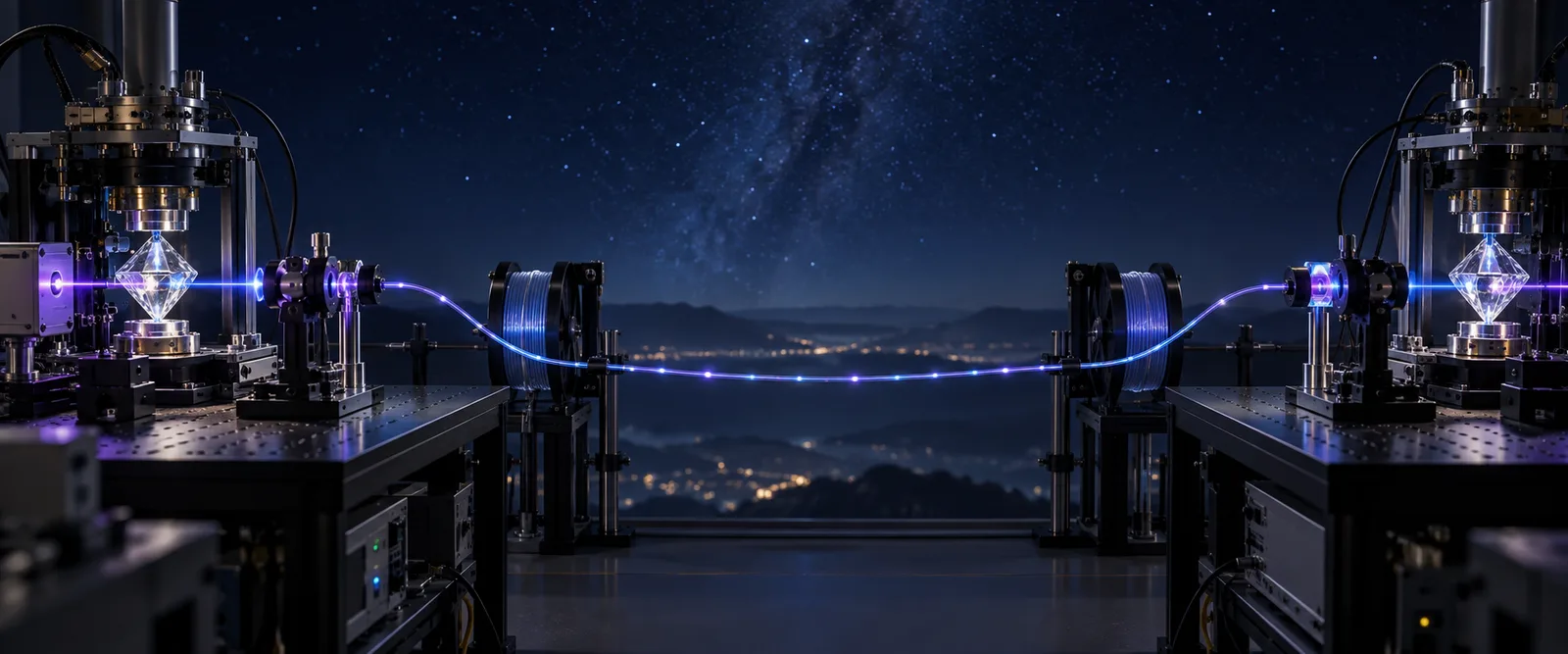
Four-qubit entanglement at room temperature: new experiment
Speed and accuracy gains of parallel processing in quantum system in diamond.
NEW FILE · 4 EKİM 2026How will LISA listen to spacetime?
Measurement rationale and objectives of a space-based gravitational wave observatory.
 NEW FILE · 4 EKİM 2026
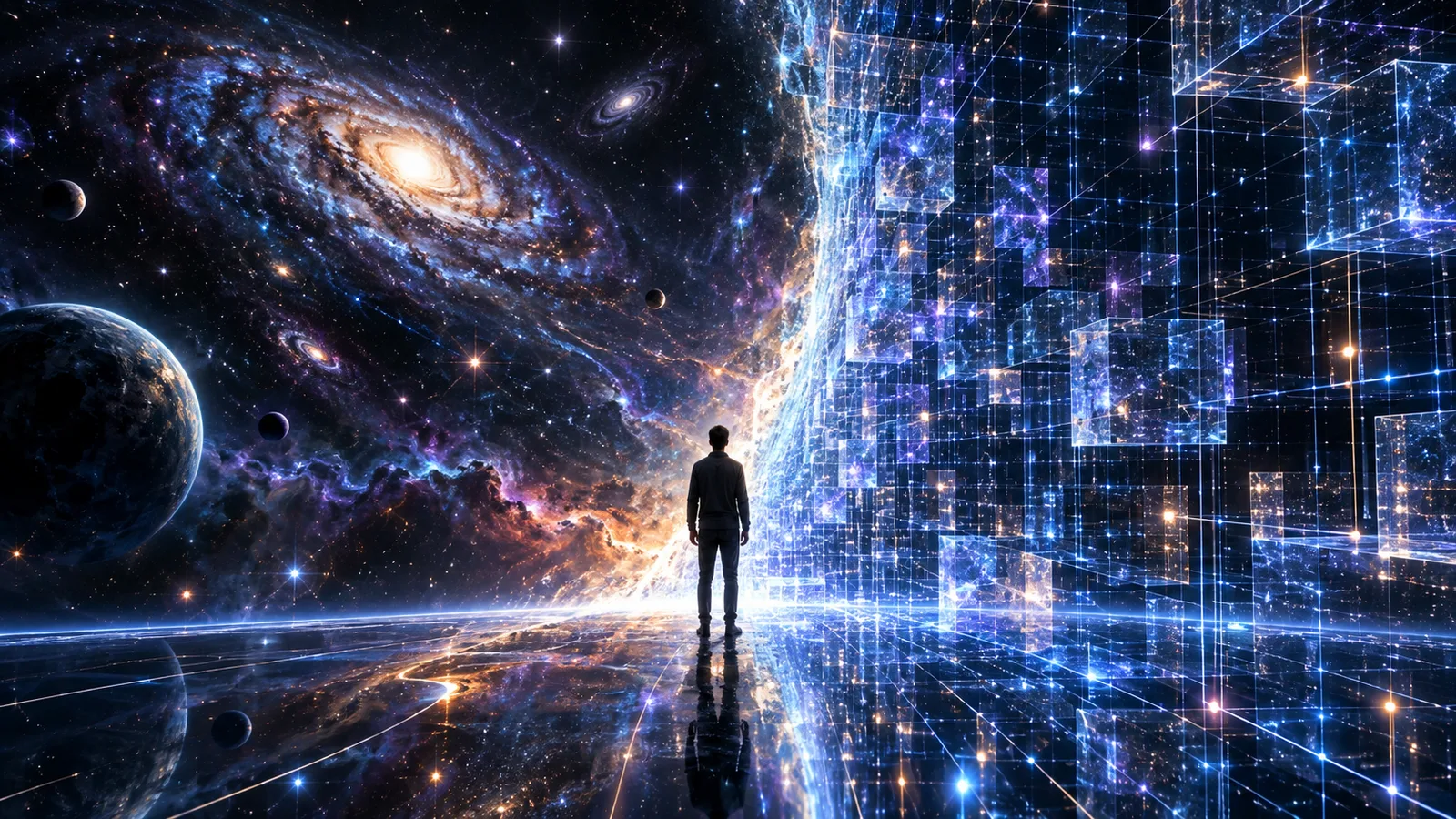
Energy cost of simulating the universe
The place of the 2025 calculation in the current debate: which assumption limits it?
 NEW FILE · 4 EKİM 2026
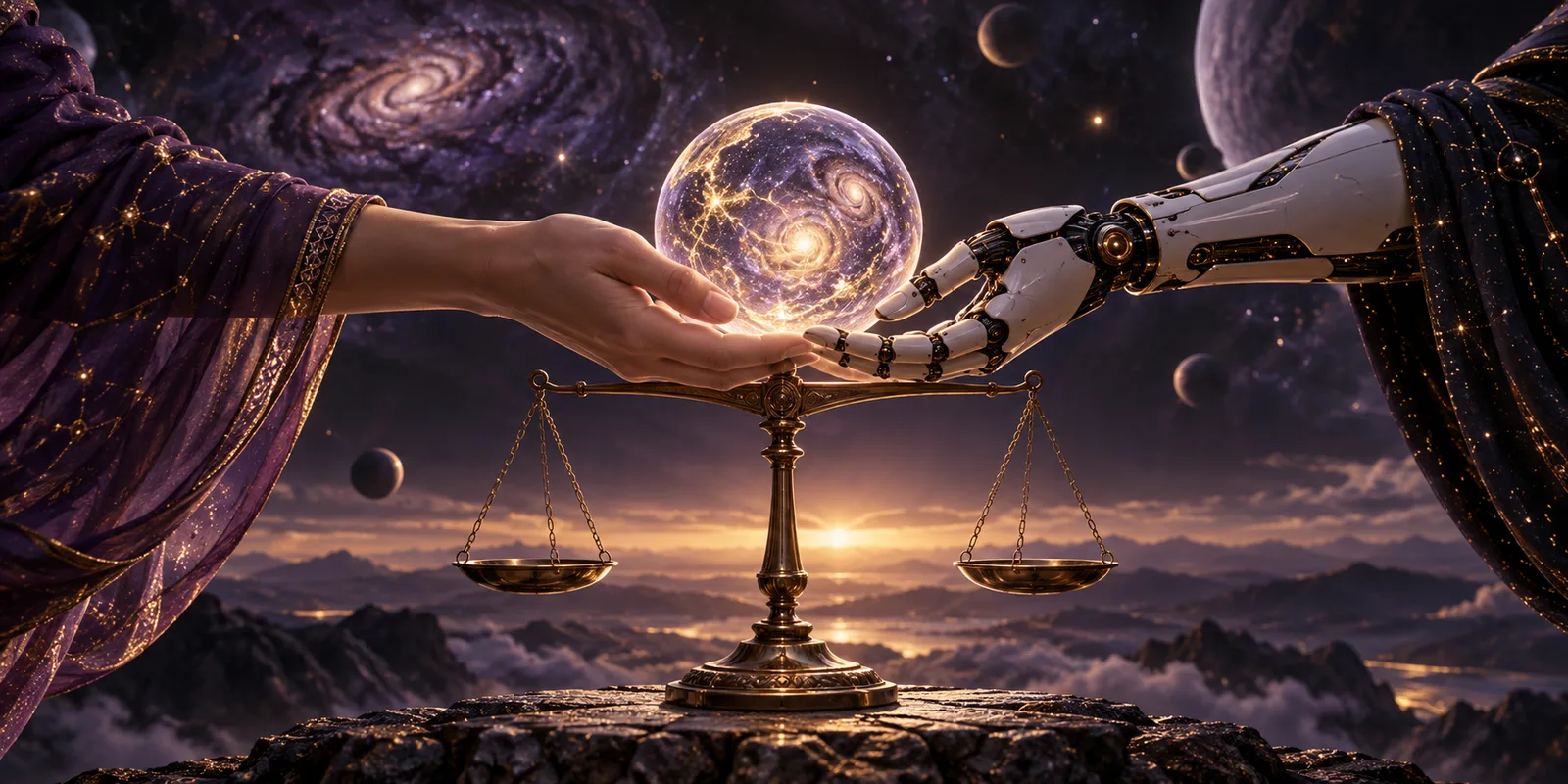
Why do we experience our experiences as a single self?
The unity of consciousness: distinctions between experience, access, and personal identity.
 NEW FILE · 4 EKİM 2026
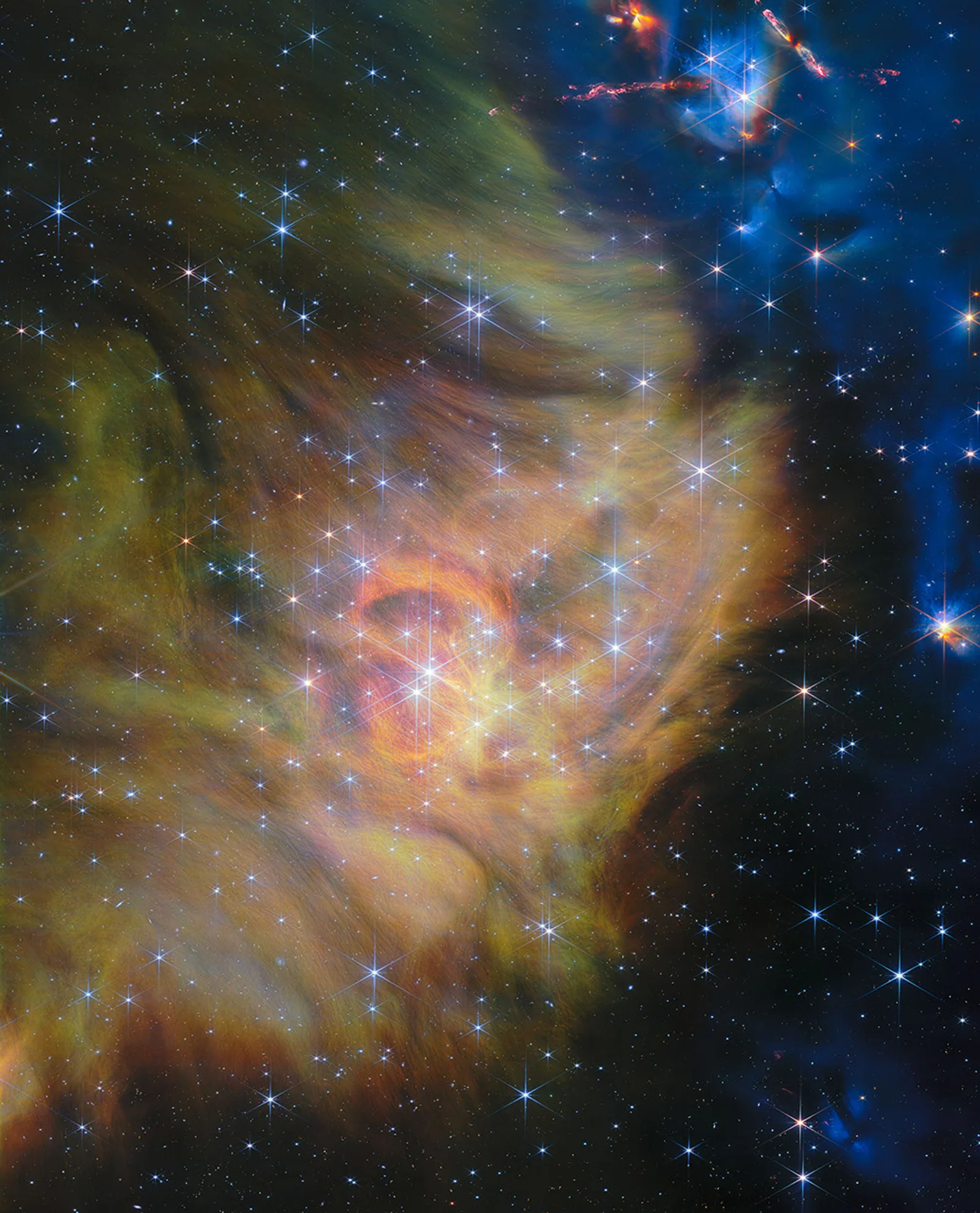
Webb's panorama of IC 348: a new look at star birth
We examine young stars, brown dwarfs and the limits of observation through the observation of September 15, 2026.
 NEW FILE · 4 EKİM 2026
Preserving entanglement in quantum memory: why is error detection important?
We explain what the September 28, 2026 study record suggests and what questions it leaves open for quantum networks.
NEW FILE · 4 EKİM 2026The new need in artificial intelligence: not using the model, but building a reliable system
Anthropic's October 2, 2026 training announcement and the responsibilities of artificial intelligence engineering in practice.
NEW FILE · 4 EKİM 2026Can a simulated mind be conscious? A new philosophical framework
Ryota Kanai and Shuqin Ma’s 2026 preprint: behavioral similarity, internal mechanism, and conditional assertions.
 NEW FILE · 3 OCTOBER 2026
Why doesn't time flow at the same pace for everyone? From atomic clocks to GPS
Speed, gravity, eigentime, and precision clocks: understanding time dilation step by step.
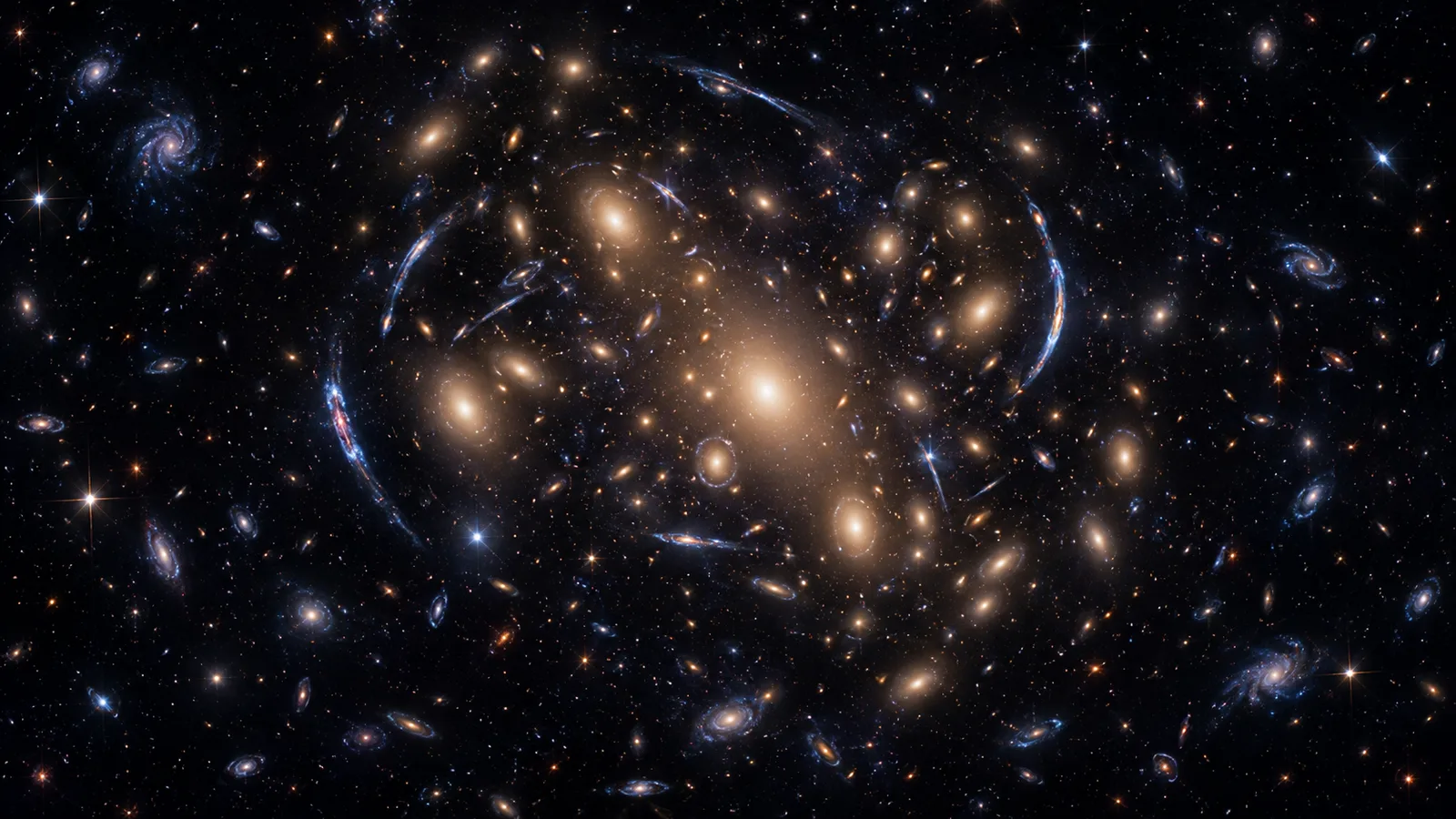 NEW FILE · 3 OCTOBER 2026
How does space-time bend light? Gravitational lenses and Euclid
Einstein rings, dark matter and the 2026 citizen science project: what can we learn from an image?
 NEW FILE · 3 OCTOBER 2026
How fast is the universe expanding? 2026 standard siren results
A new way of measuring Hubble voltage, redshift and 236 gravitational wave sources.
 NEW FILE · 3 OCTOBER 2026
Can artificial intelligence be conscious? Evidence, conduct and objections
Based on a debate from 2025, we distinguish between intelligence and experience.
NEW FILE · 3 OCTOBER 2026Do we have a responsibility to digital minds?
The model welfare debate: moral status, uncertainty, and human responsibility.
NEW FILE · 3 OCTOBER 2026How can entanglement measure light? 2026 quantum network experiment
Diamond quantum memories and remote stations: a proof of concept for astronomy.
NEW FILE · 3 OCTOBER 2026New test of space-time: 2026 gravitational wave results
How is Einstein's theory tested in strong gravity; What does the result not prove?
 NEW FILE · 3 OCTOBER 2026
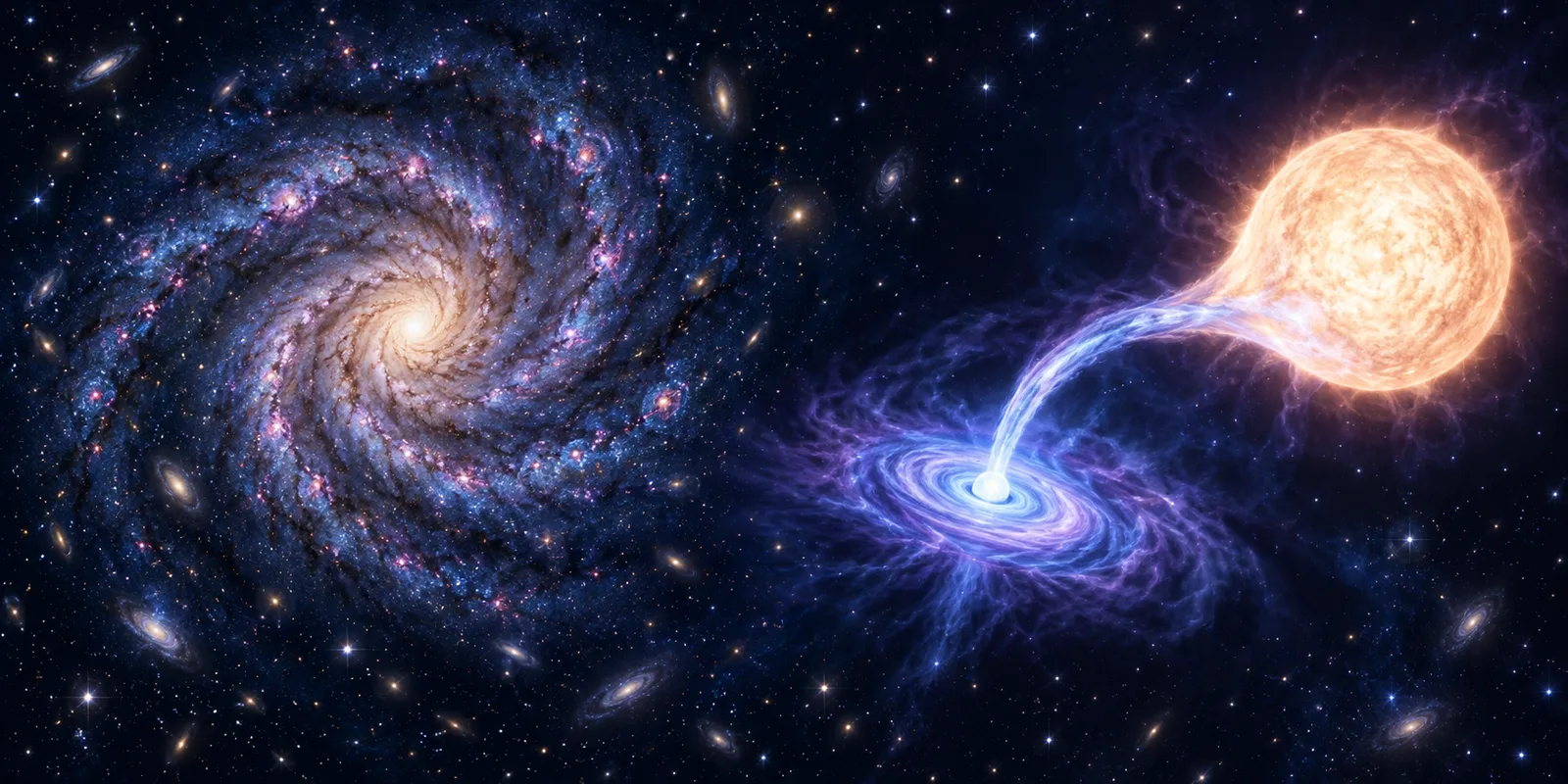
Chandra's mysterious X-ray sources
Observed characteristics of 84 sources, possible explanations, and open questions.
NEW · SEPTEMBER 30, 2026What jobs can robots actually do?
Difference between technical ability, cost and human labor.
TODAY · NASA WEBBPlanetary smash-ups
Traces of silica tell of the violent past of young planetary systems.
NEW · CERNQuantum entanglement between Z bosons
What does the strong evidence of ATLAS and CMS say; what does it not say?
CURRENT FILEWhere will artificial intelligence end?
Optimistic, cautious and risk-oriented future views.
TEMEL KAVRAMHow does probability theory measure reality?
Uncertainty, Bayes' theorem, and scientific inference.
Space & TimeWhy doesn't time flow the same for everyone?
Relativity, atomic clocks and everyday technologies.
HISTORY OF THOUGHT · PEOPLE AND WORKS
Traces left by other minds.
From ancient philosophy to quantum experiments, from cosmology to artificial intelligence: discover the questions, contributions and works of nine people with their sources.
Open Atlas of Thinkers and Scientists →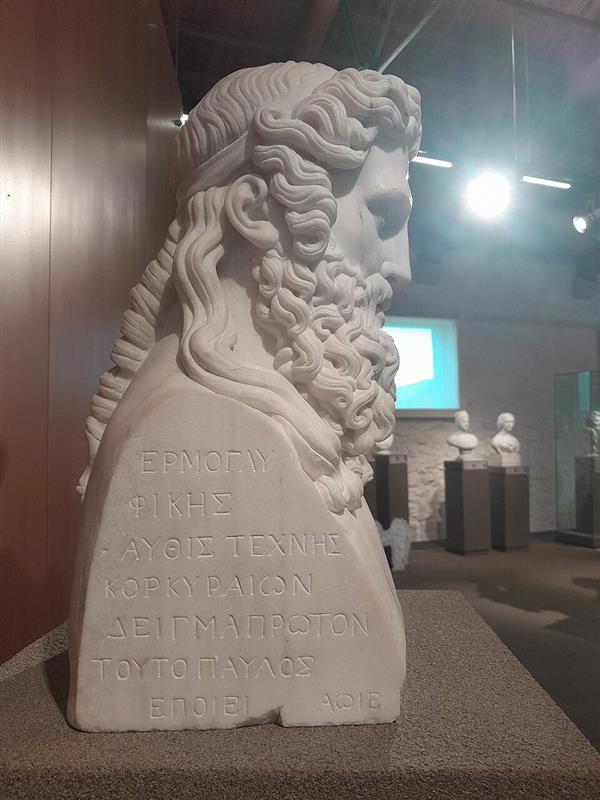
Platon
ca. 428/427–348/347 BC · PhilosopherHe questioned the relationship between appearance, knowledge and education through the metaphor of the cave. It is a thought starter for simulation discussions; It is not evidence of a physical simulation.
Read his contributions and works →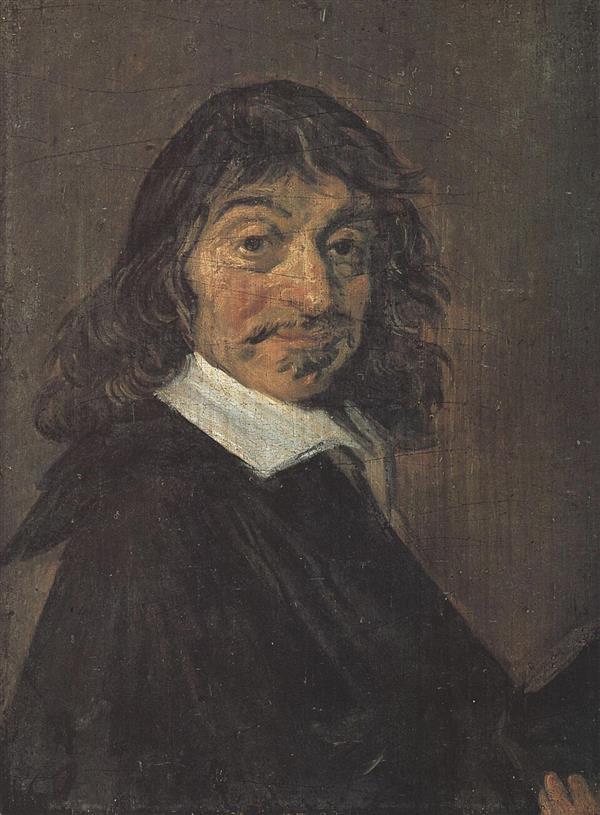
René Descartes
1596–1650 · Philosopher and mathematicianHe explored the basis of our knowledge through methodical ideas of doubt, dreams, and illusory experience; brought the distinction between mind and body to the center of the debate.
Read his contributions and works →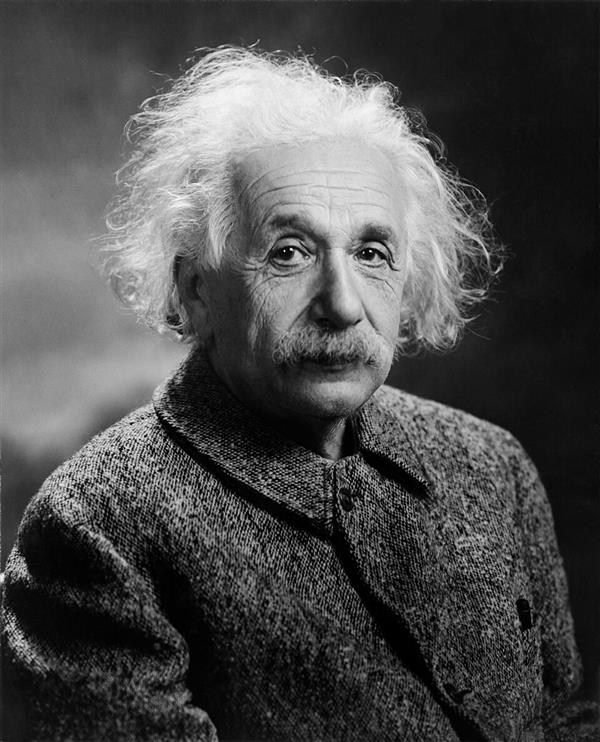
Albert Einstein
1879–1955 · theoretical physicistHe transformed the understanding of time, motion and gravity through special and general relativity; He also made a fundamental contribution to the quantum nature of light.
Read his contributions and works →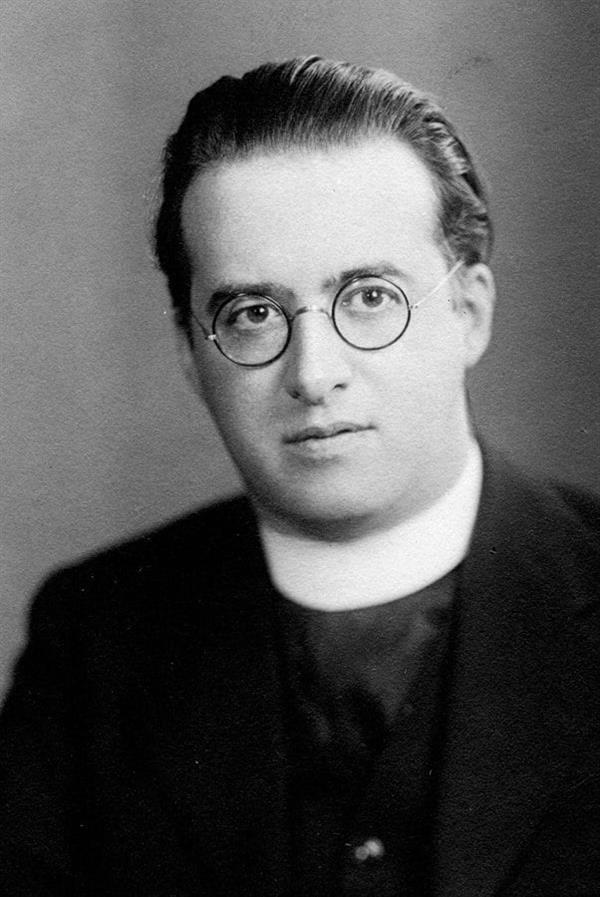
Georges Lemaître
1894–1966 · Physicist and cosmologistHe related his expanding universe solutions to galaxy observations; He developed the idea of the first atom on an early cosmic beginning.
Read his contributions and works →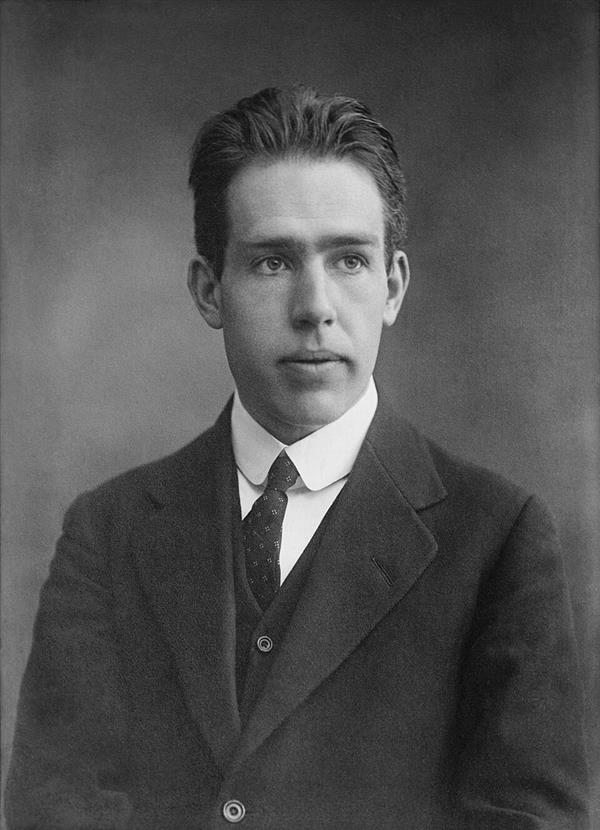
Niels Bohr
1885–1962 · physicistHe applied quantum conditions to atomic structure; He shaped quantum thought with his discussions on measurement order and complementarity.
Read his contributions and works →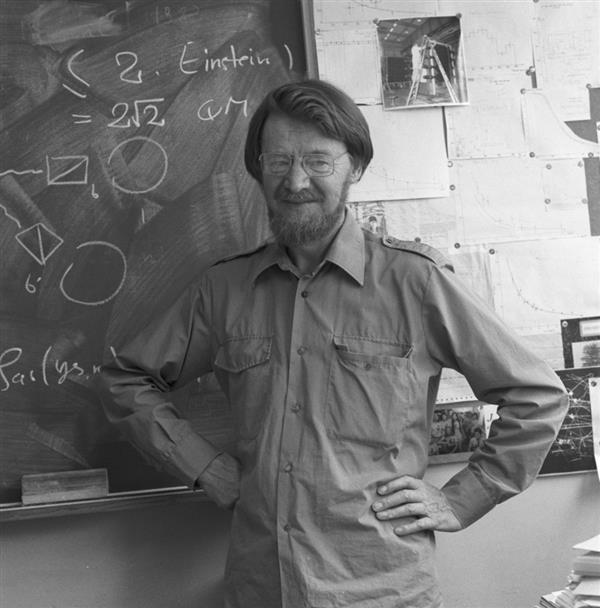
John Stewart Bell
1928–1990 · theoretical physicistWith his 1964 theorem he transformed the difference between quantum correlations and local explanations into measurable inequalities.
Read his contributions and works →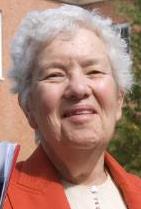
Vera Rubin
1928–2016 · observational astronomerThe galaxy rotation curves measured by Kent Ford and his colleagues brought the problem of invisible mass into a powerful area of observational research.
Read his contributions and works →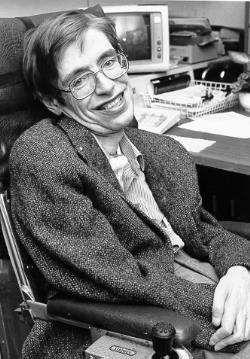
Stephen Hawking
1942–2018 · Theoretical physicist and cosmologistHe predicted thermal radiation by studying quantum fields in black hole geometry; deepened the questions between gravity, thermodynamics and information.
Read his contributions and works →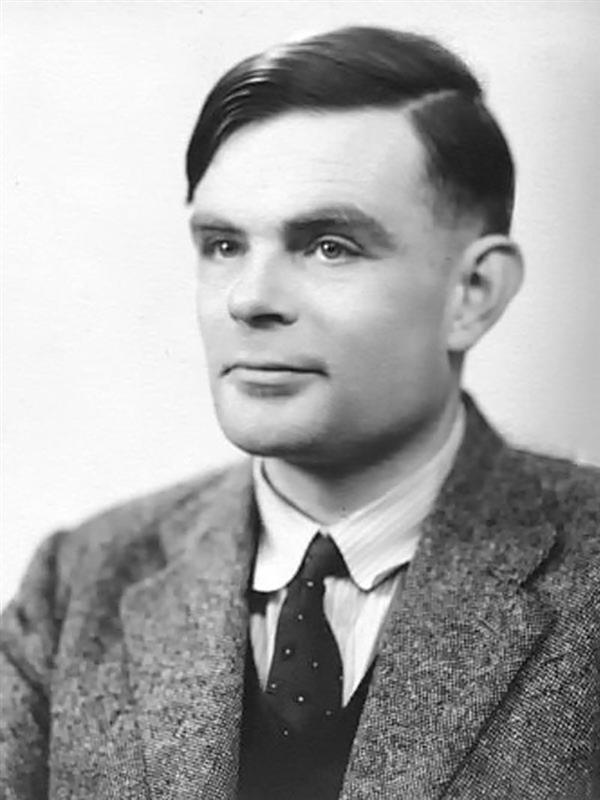
Alan Turing
1912–1954 · Mathematician and computer science pioneerHe mathematically examined the limits of computability; In 1950, he discussed machine intelligence with a debatable criterion through the imitation game.
Read his contributions and works →The texts here are sourced, original Turkish explanations; These are not direct quotes from individuals. Philosophical works, scientific articles, and theoretical predictions that have not yet been observed are cited separately. Portrait source and license are included in each file.
TOPIC GUIDE
What question are you after?
Cosmos, space-time, quantum physics, simulation hypothesis, theories of the universe, philosophy and artificial intelligence: explore scientific evidence and open questions together.
Start exploring: Cosmos, Quantum and Philosophy
If you are wondering about the structure of the universe, Cosmos; Quantum for measurement and entanglement; For questions of consciousness and reality, start with Philosophy.
Start with a question in the cosmos
Kara delikler: What is an event horizon and how do black holes work?
galaxy formation: How do gas and stars turn into cosmic structures?
dark matter: What is the evidence for matter that we cannot see?