THE EXISTENCE PROJECT
Discover the universe, consciousness and existence together.
The infinity symbol represents cosmic curiosity and the human journey into the unknown.
SCIENCE · DISCOVERY · A DEEPER REALITY
EXISTENCE
DISCOVER
From the Big Bang to quantum reality; A mysterious journey extending into space, time, consciousness and the unknown.
NEW · A DAILY QUESTION · LIVE WORLD RESULTS
Global Consciousness Pulse
Answer anonymously, see how participating countries think, and create a shareable result card.
JOIN · QUESTION · SHARE
Not just the answer to an idea, journey is also valuable.
15 QUESTIONS · PERSONAL DISCOVERY
Create your cosmic thinking map.
15 questions from space-time, quantum, cosmology, simulation and philosophy; The answers show curiosity tendencies.
DEEPENED EXPLORATION
Examine the claim, the evidence, and the history of thought together.
NEW PUBLICATIONS · ORIGINAL SERIES
To read, question and return again.
 NEW ARTICLE · 8 NOVEMBER 2026
Can Adversarial AI Detect Hidden Consciousness Without Being Conscious?
A 2026 study used competing neural networks and interpretable brain models to identify signatures of consciousness across humans and animals. The system may help clinical research, but it does not show that the AI itself is conscious.
 NEW ARTICLE · 8 NOVEMBER 2026
Can the Topology of Brain Networks Reveal Hidden Awareness?
A 2026 study examined how integration and segregation across brain networks relate to conscious state, behavior and prognosis. Network topology offers a promising biomarker, not a direct readout of private experience.
 NEW ARTICLE · 8 NOVEMBER 2026
Why Is GW231123's Massive Black Hole Merger So Puzzling?
GW231123 joined black holes of roughly 137 and 103 solar masses, with spins near the theoretical limit. Its mass-gap components may point to earlier mergers in dense stellar environments.
 NEW ARTICLE · 8 NOVEMBER 2026
What Does MoM-z14 Reveal About Cosmic Dawn?
Webb confirmed MoM-z14 at redshift 14.44, showing the galaxy as it was only about 280 million years after the big bang. Its brightness, nitrogen and cleared surroundings challenge simple early-galaxy timelines.
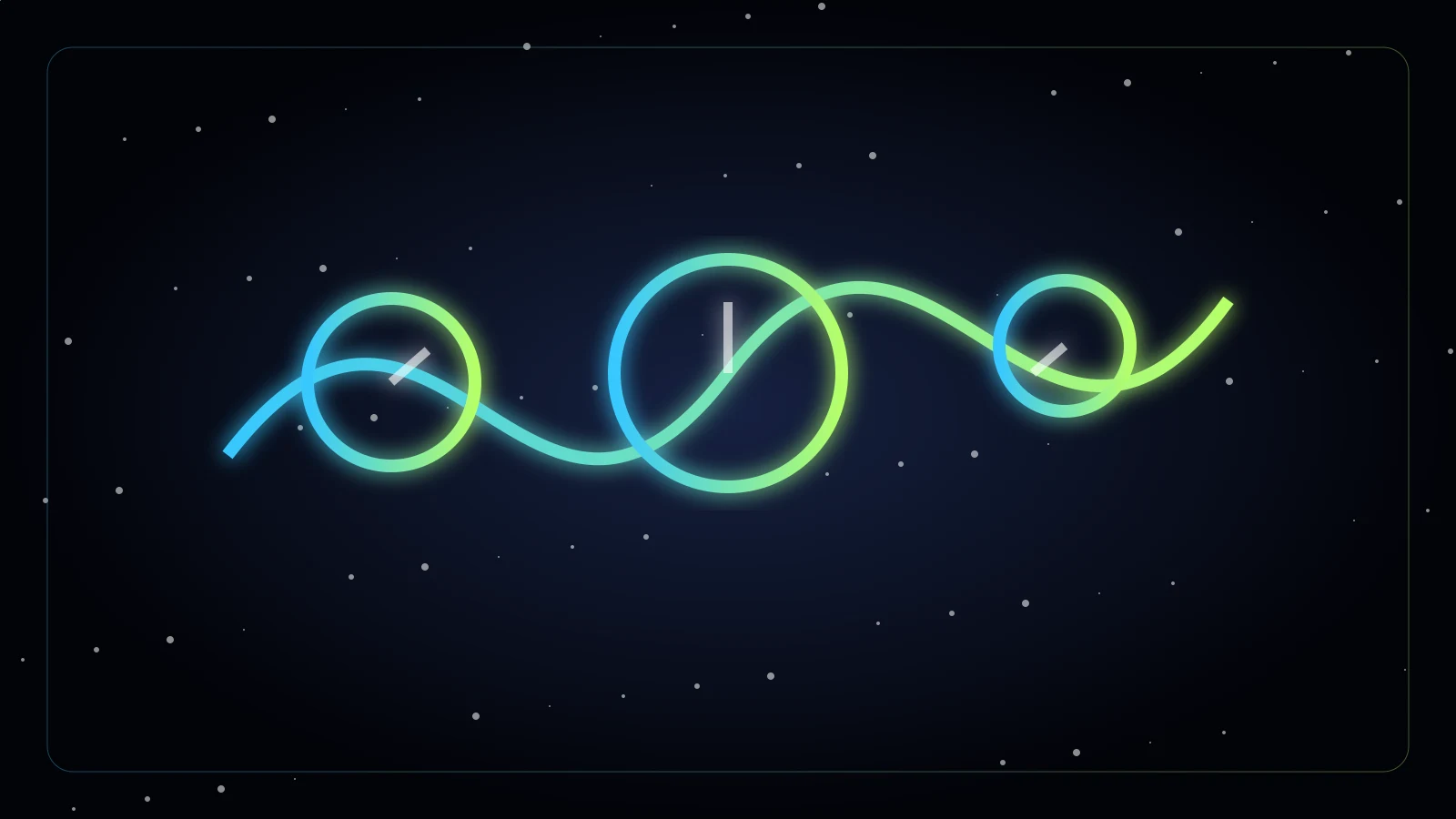 NEW ARTICLE · 8 NOVEMBER 2026
Does the Previous Moment Bias the Time We Feel Now?
A 2026 EEG study found that duration judgments carry two systematic biases: the previous interval pulls the present estimate, while very short and long intervals drift toward the average.
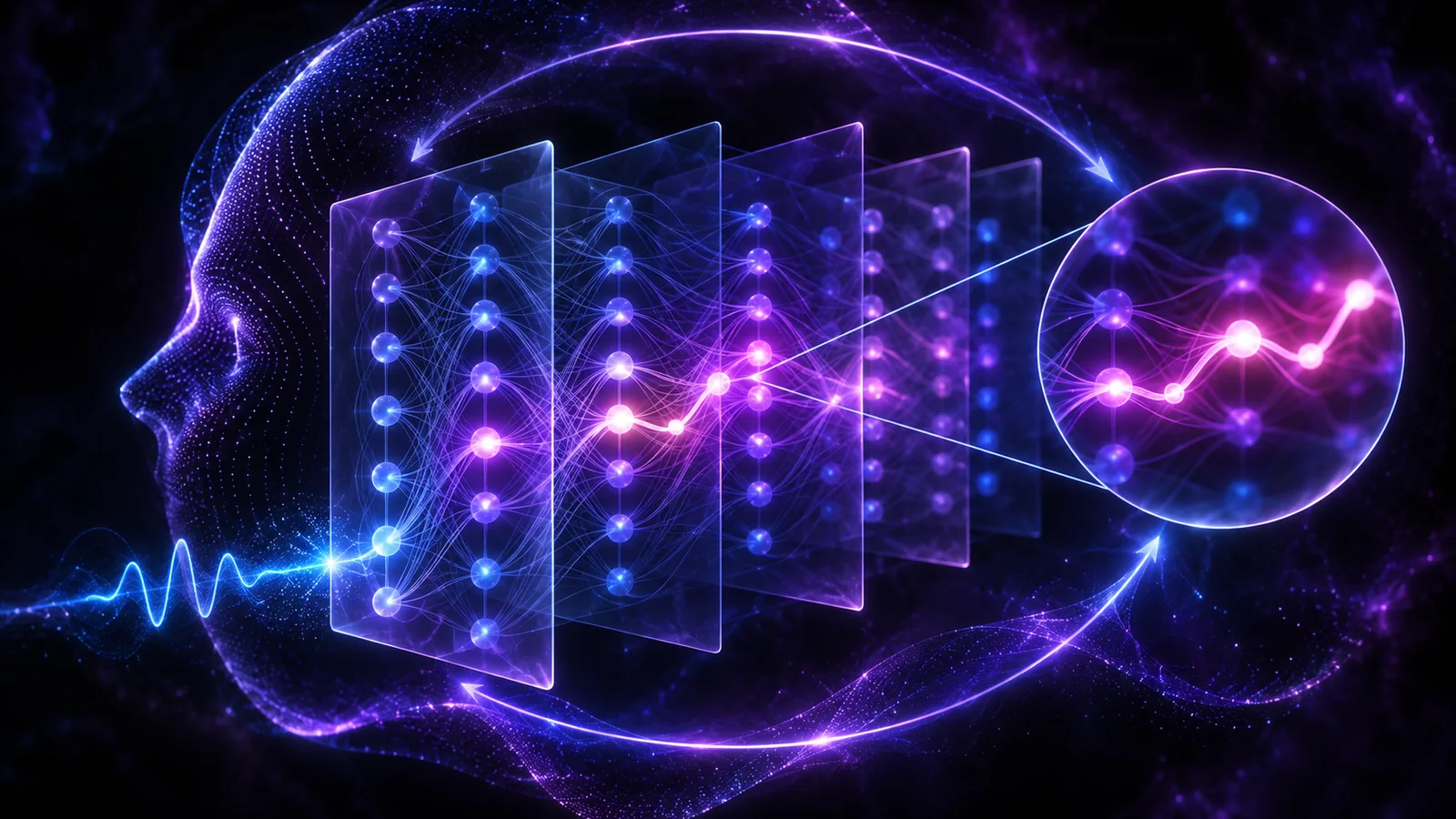 NEW ARTICLE · 7 NOVEMBER 2026
Can an AI Reason Without Writing Down Its Steps?
A 2026 benchmark tested whether language models could solve problems through hidden, latent-space computation while revealing only a constrained first token. The results suggest internal inference—but do not establish consciousness or a human-like inner monologue.
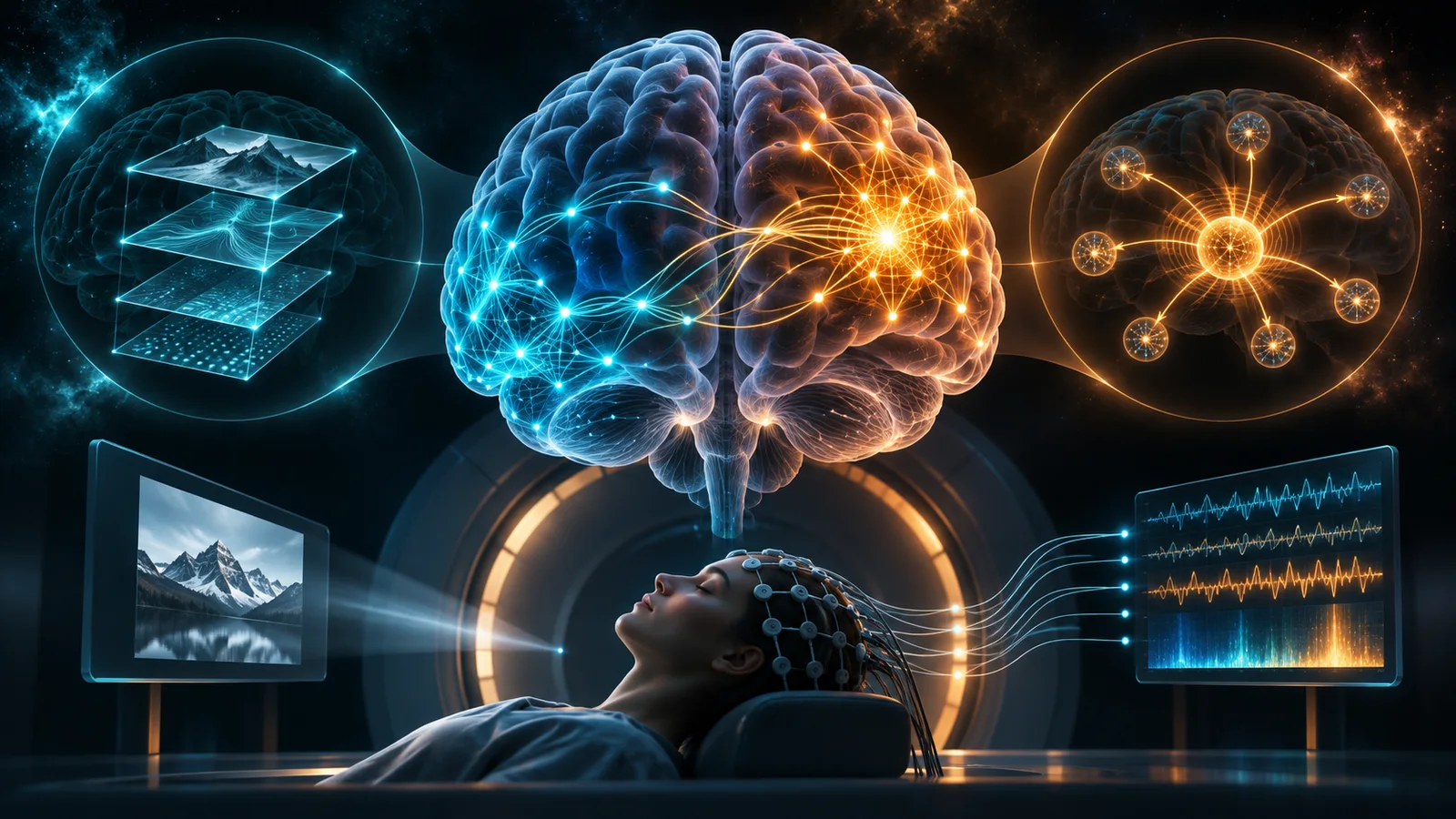 NEW ARTICLE · 7 NOVEMBER 2026
What Happened When Two Consciousness Theories Faced the Same Test?
A preregistered adversarial collaboration tested predictions from integrated information theory and global neuronal workspace theory in 256 participants. Neither theory received a clean victory.
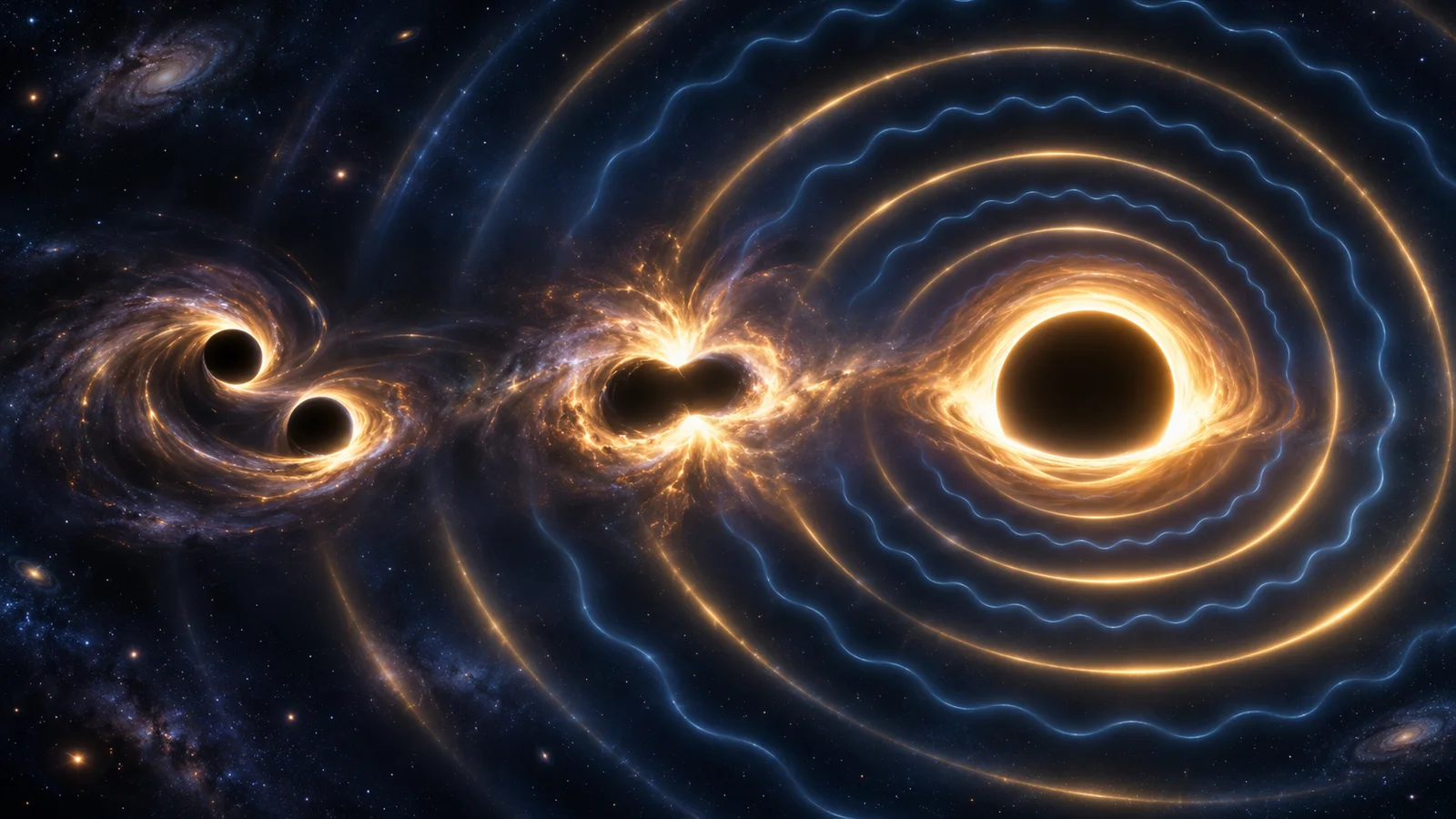 NEW ARTICLE · 7 NOVEMBER 2026
What Did GW250114 Let Us Hear in a Black Hole's Ringdown?
The exceptionally loud gravitational-wave event GW250114 revealed multiple tones from the remnant black hole and provided a stringent test of the Kerr description and Hawking's area law.
 NEW ARTICLE · 7 NOVEMBER 2026
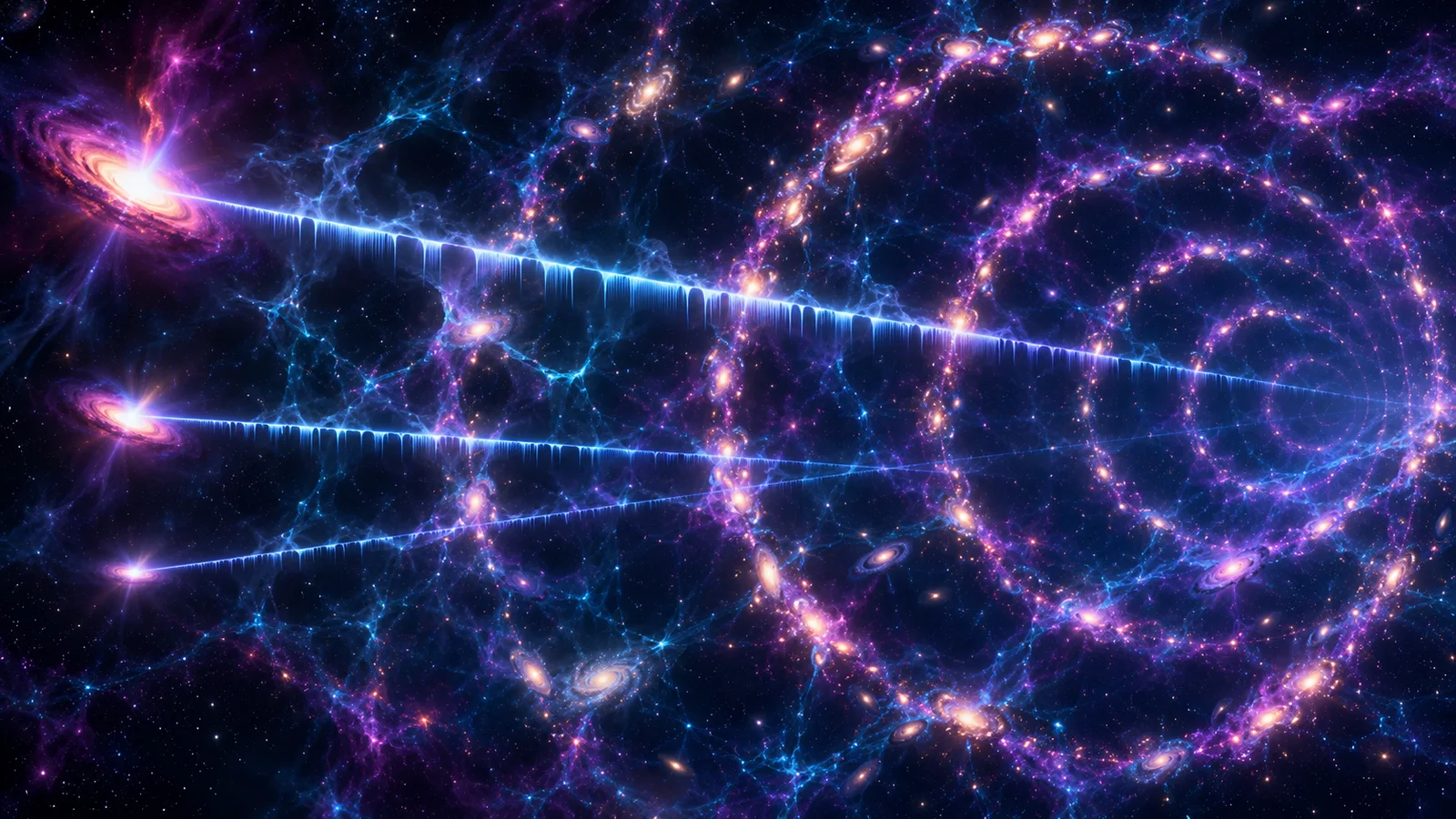
Is Dark Energy Evolving—or Are the Cosmic Rulers Shifting?
DESI's second data release sharpened measurements of baryon acoustic oscillations. Combined datasets still motivate evolving-dark-energy models, while newer Lyman-alpha full-shape results sit closer to the standard model.
 NEW ARTICLE · 7 NOVEMBER 2026
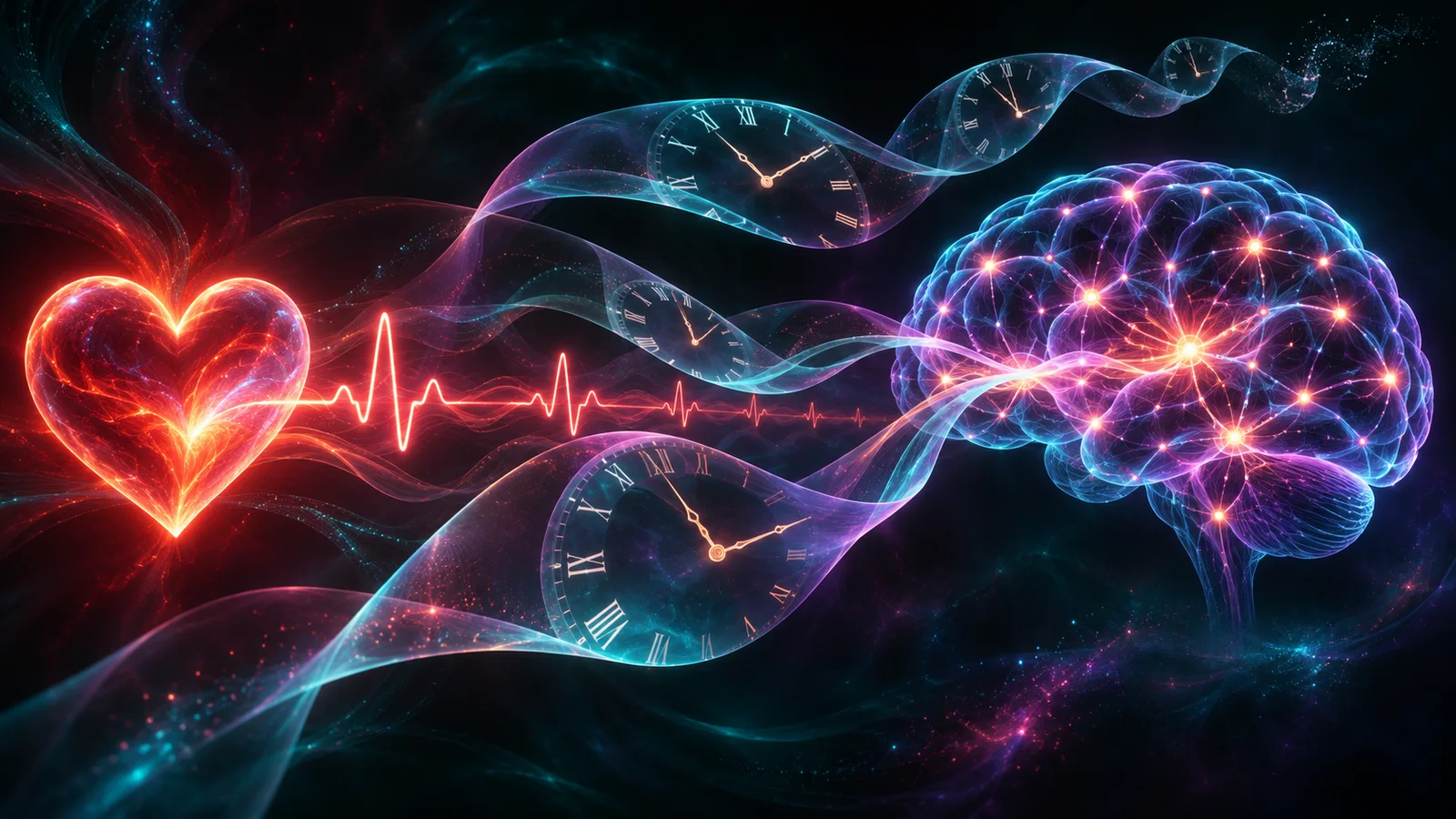
Does the Heart Help the Brain Build Subjective Time?
Recent experiments link heartbeat perception, heart-rate variability and emotional arousal to different timing tasks. The evidence points to an embodied clock—but not a single heartbeat counter.
 NEW ARTICLE · 6 NOVEMBER 2026
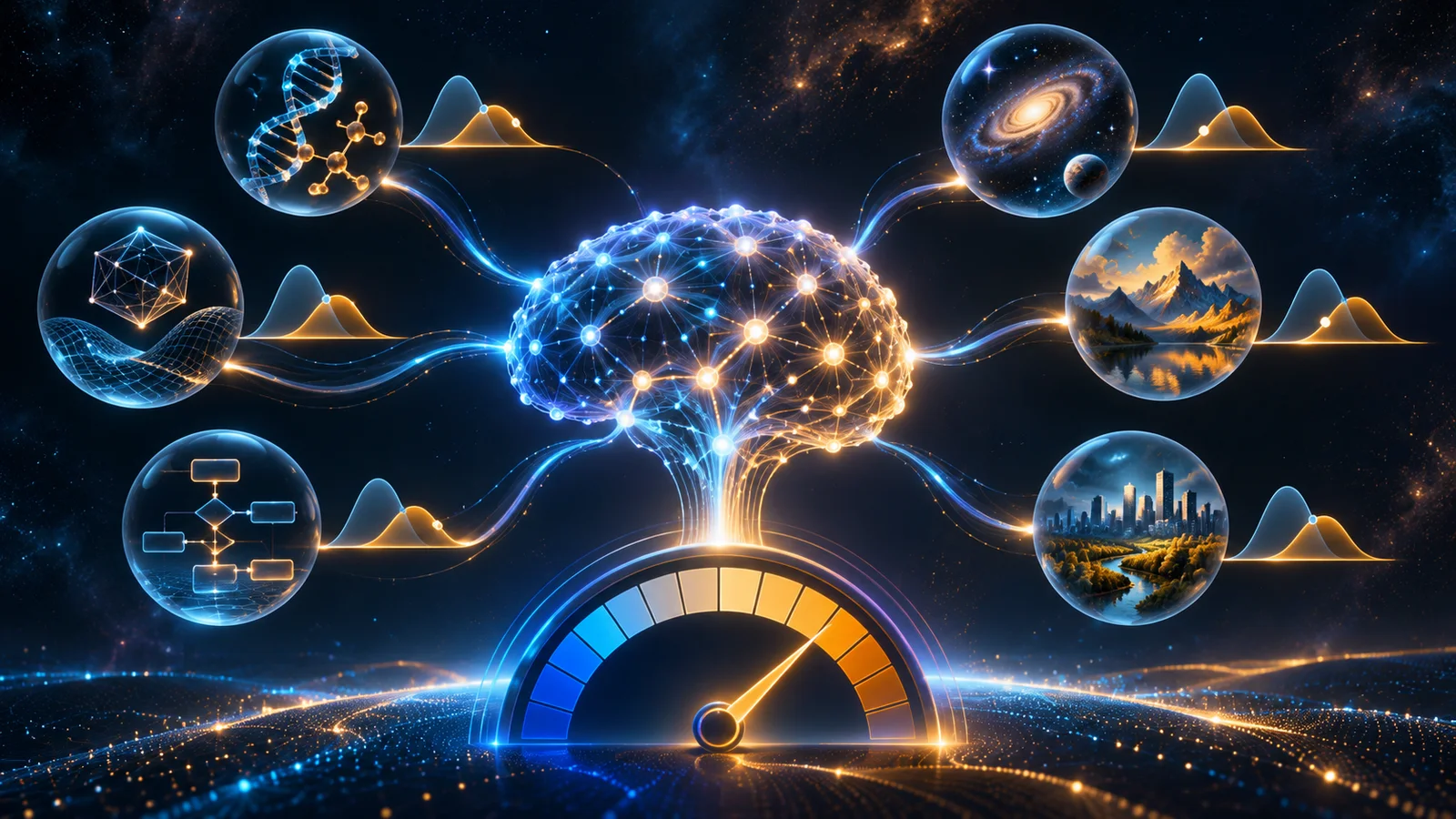
Can Training Teach AI to Communicate Uncertainty Beyond the Lesson?
Multidomain, multitask fine-tuning improved how two language-model families expressed uncertainty, but transfer varied across tasks and models. Better calibration is useful; it is not evidence of consciousness.
 NEW ARTICLE · 6 NOVEMBER 2026
Does Anaesthesia Make Individual Brains More Alike?
Functional-connectivity fingerprints became less distinctive under deep anaesthesia in humans and non-human primates, then recovered. The result links consciousness loss to reduced neural individuality without proving that uniqueness creates experience.
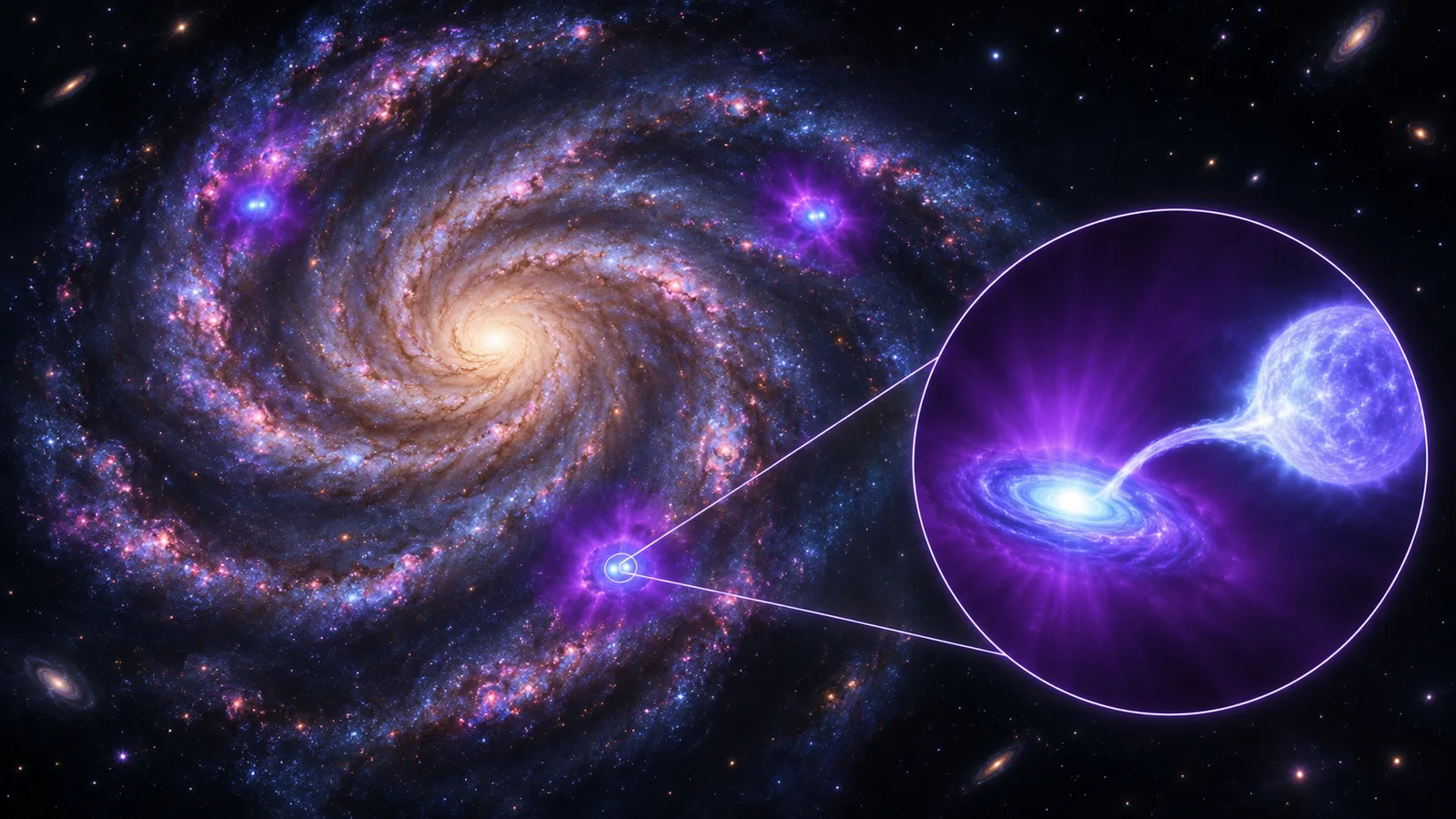 NEW ARTICLE · 6 NOVEMBER 2026
What Powers Chandra's New Hypersoft X-Ray Sources?
A search of Chandra's archive found 84 unusually soft X-ray sources across six galaxies. Compact-object binaries are leading candidates, but black holes are only one of several possible engines.
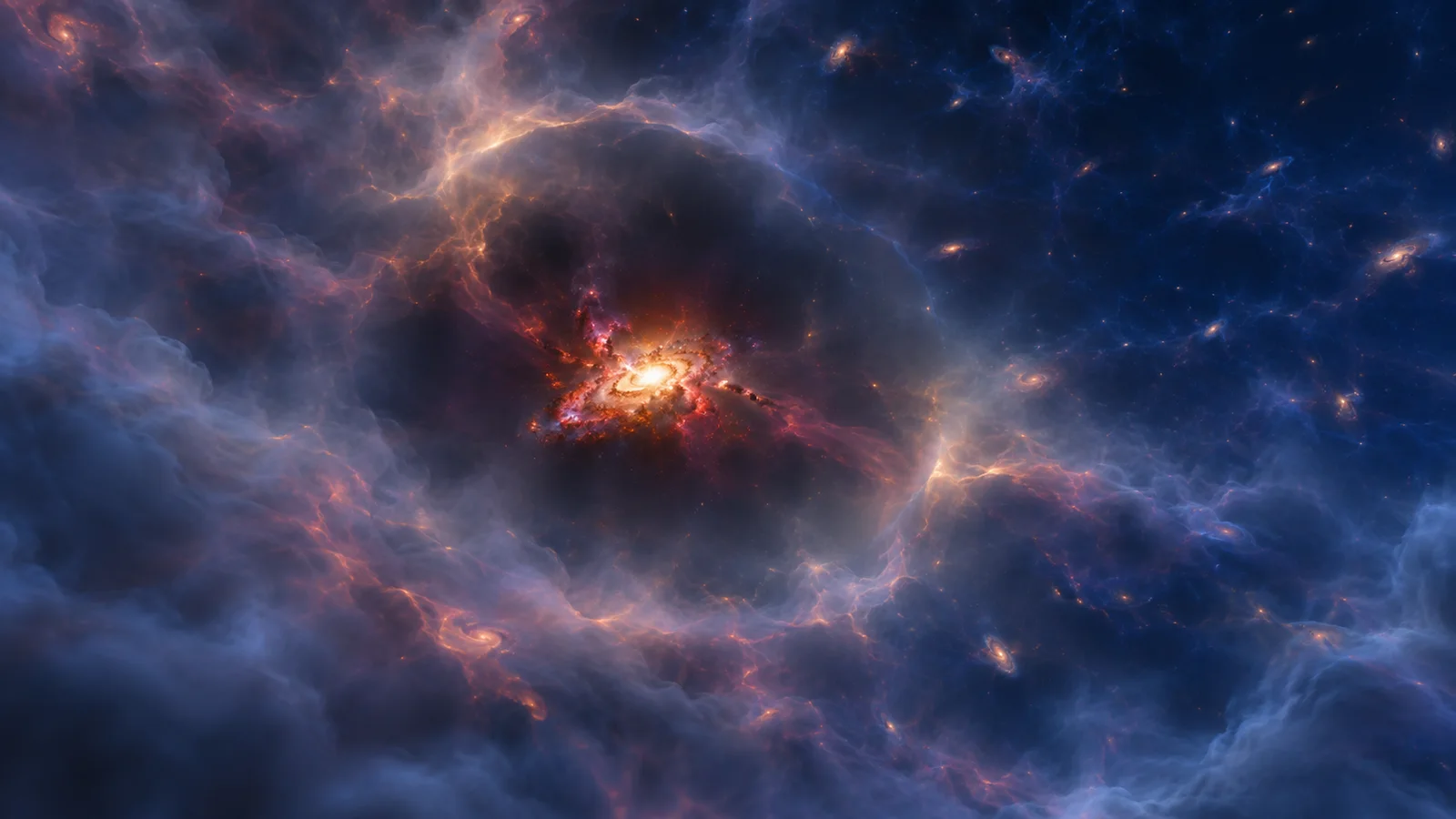 NEW ARTICLE · 6 NOVEMBER 2026
What Does MoM-z14 Reveal 280 Million Years After the Big Bang?
Webb spectroscopy confirmed MoM-z14 at redshift 14.44, seen only 280 million years after the Big Bang. Its brightness, nitrogen enrichment and reionized surroundings test models of the first galaxies.
 NEW ARTICLE · 6 NOVEMBER 2026
Does Putting Away Your Phone Make Time Pass More Slowly?
In a laboratory wait, passive phone deprivation felt slower and more boring than either smartphone use or Sudoku. Engagement—not simply whether a task was digital—shaped experienced time.
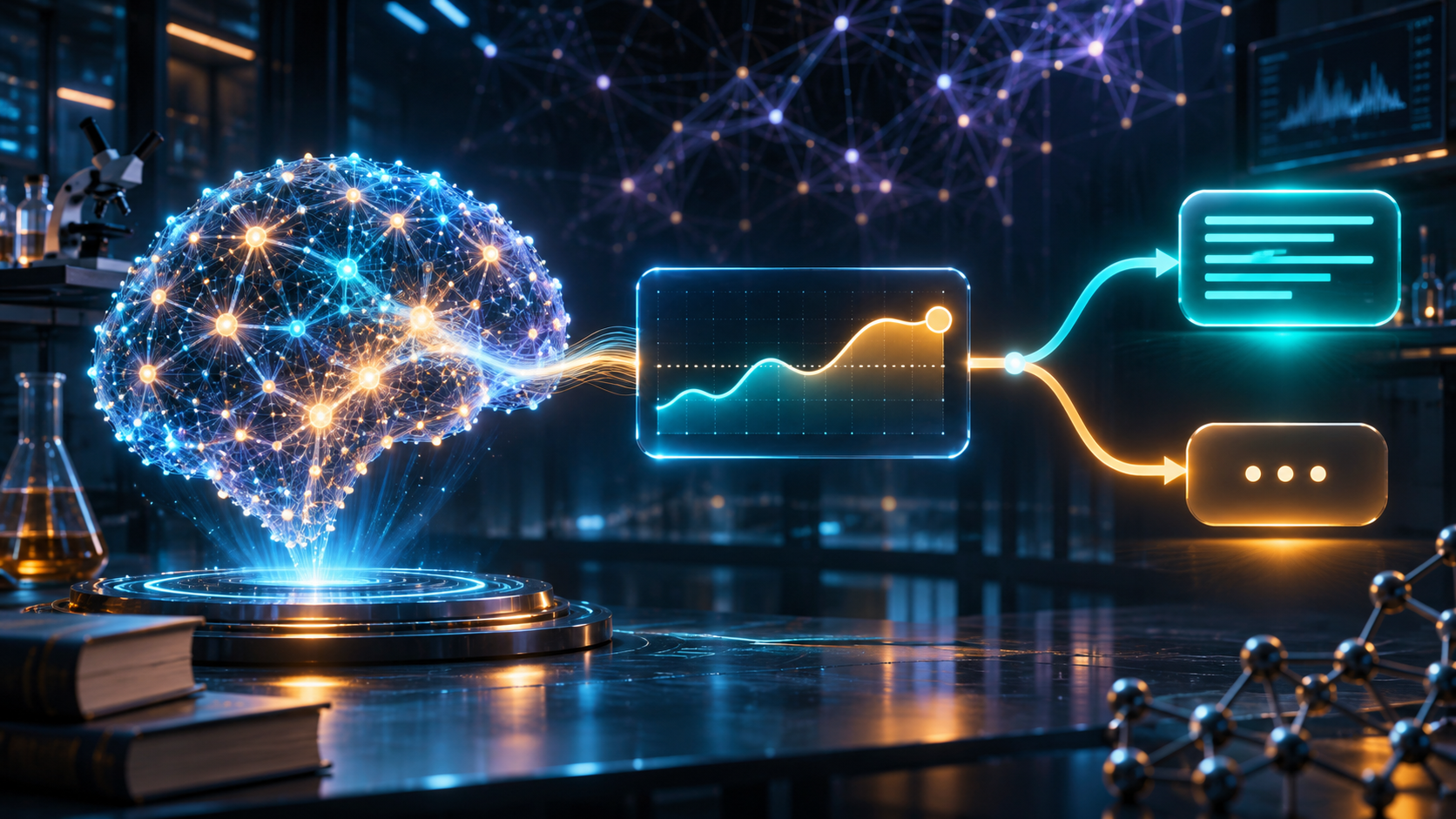 NEW ARTICLE · 5 NOVEMBER 2026
Can an AI Use Confidence to Decide When Not to Answer?
Causal experiments show that internal confidence representations can influence whether language models answer or abstain. This is evidence of functional metacognitive control, not proof of subjective experience.
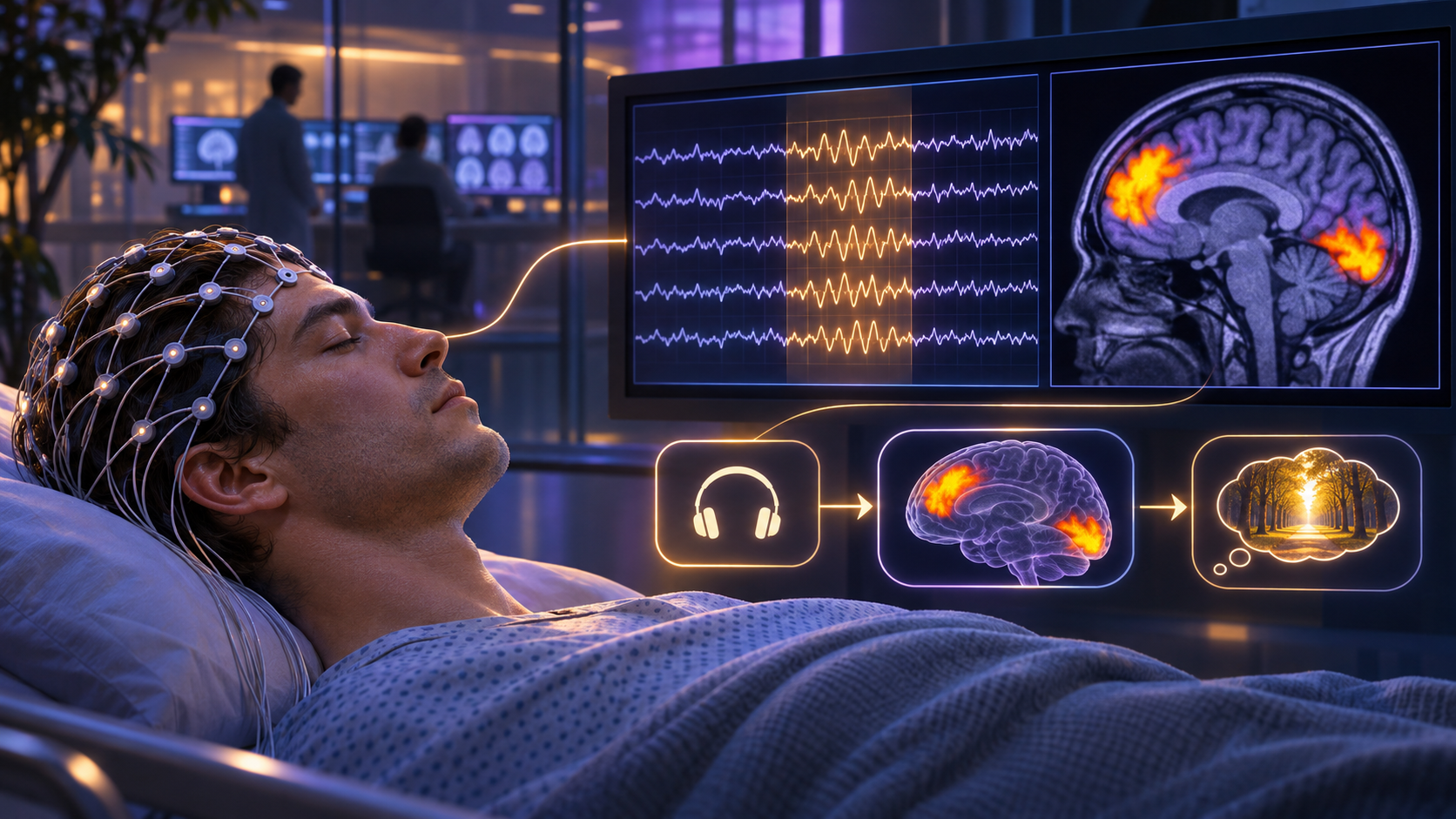 NEW ARTICLE · 5 NOVEMBER 2026
Can an Unresponsive Brain Still Follow Commands?
A large multinational study found task-related fMRI or EEG responses in about one quarter of behaviorally unresponsive patients. The result exposes a gap between visible movement and preserved cognitive activity.
 NEW ARTICLE · 5 NOVEMBER 2026
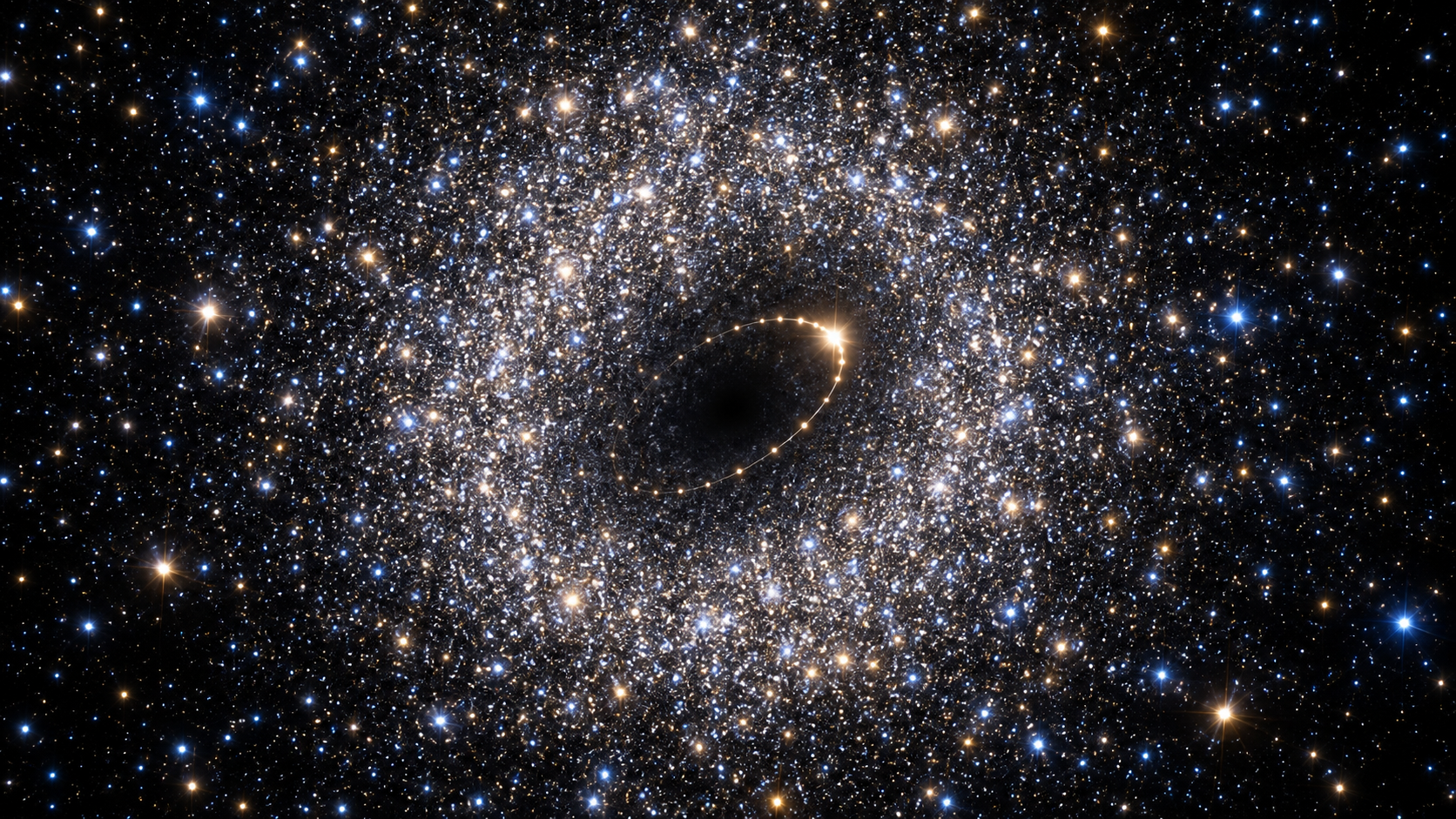
Can Stellar Motions Reveal Hidden Black Holes in Omega Centauri?
Decades of Hubble astrometry, refined with Webb data, revealed a star orbiting an unseen stellar-mass black hole in the dense Omega Centauri cluster.
 NEW ARTICLE · 5 NOVEMBER 2026
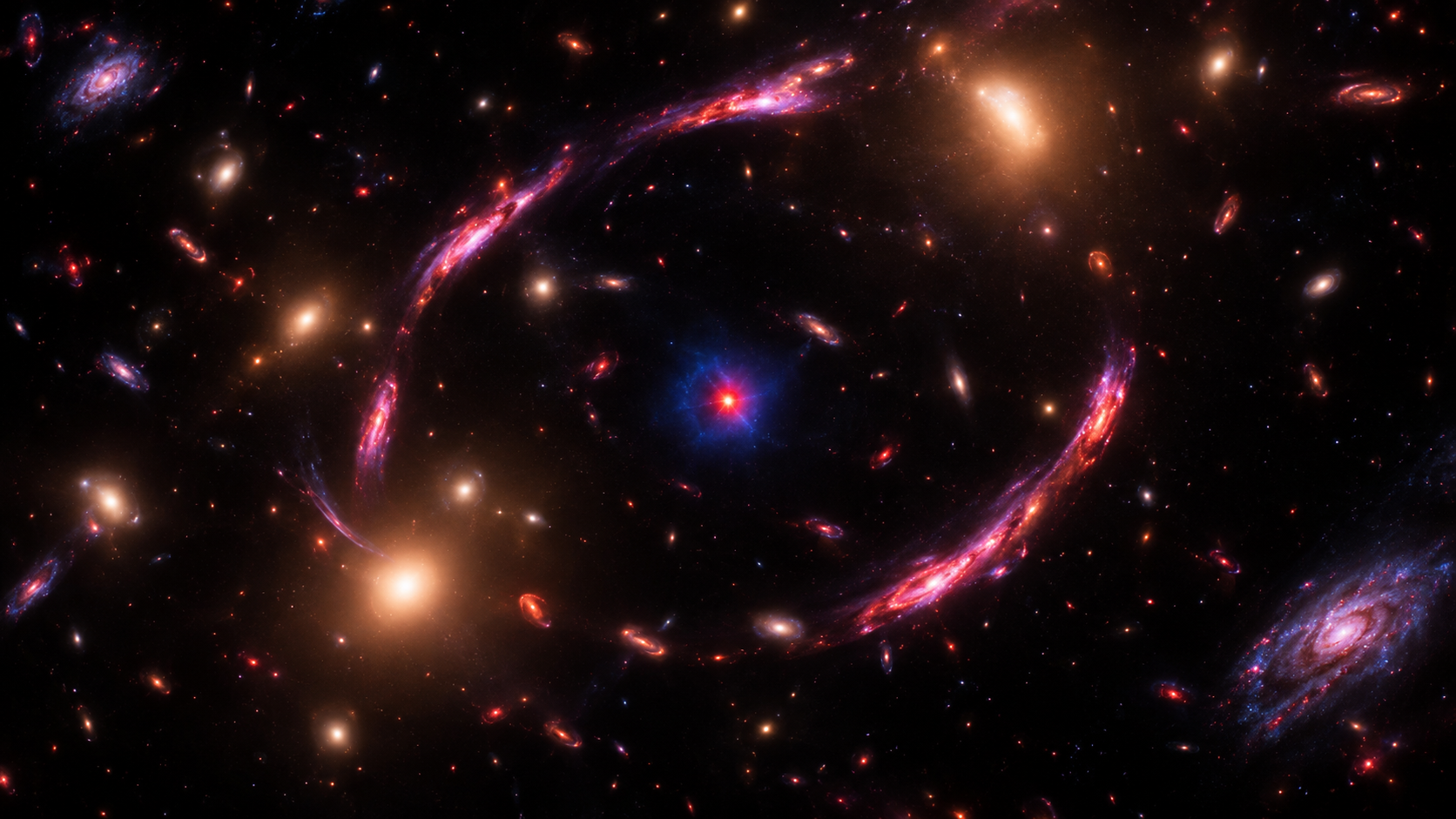
Can X-Rays Reveal What the Early Universe's Little Red Dots Really Are?
A Chandra X-ray detection linked to a Webb little red dot supports the idea that some compact red sources mark an early growth phase of supermassive black holes.
 NEW ARTICLE · 5 NOVEMBER 2026
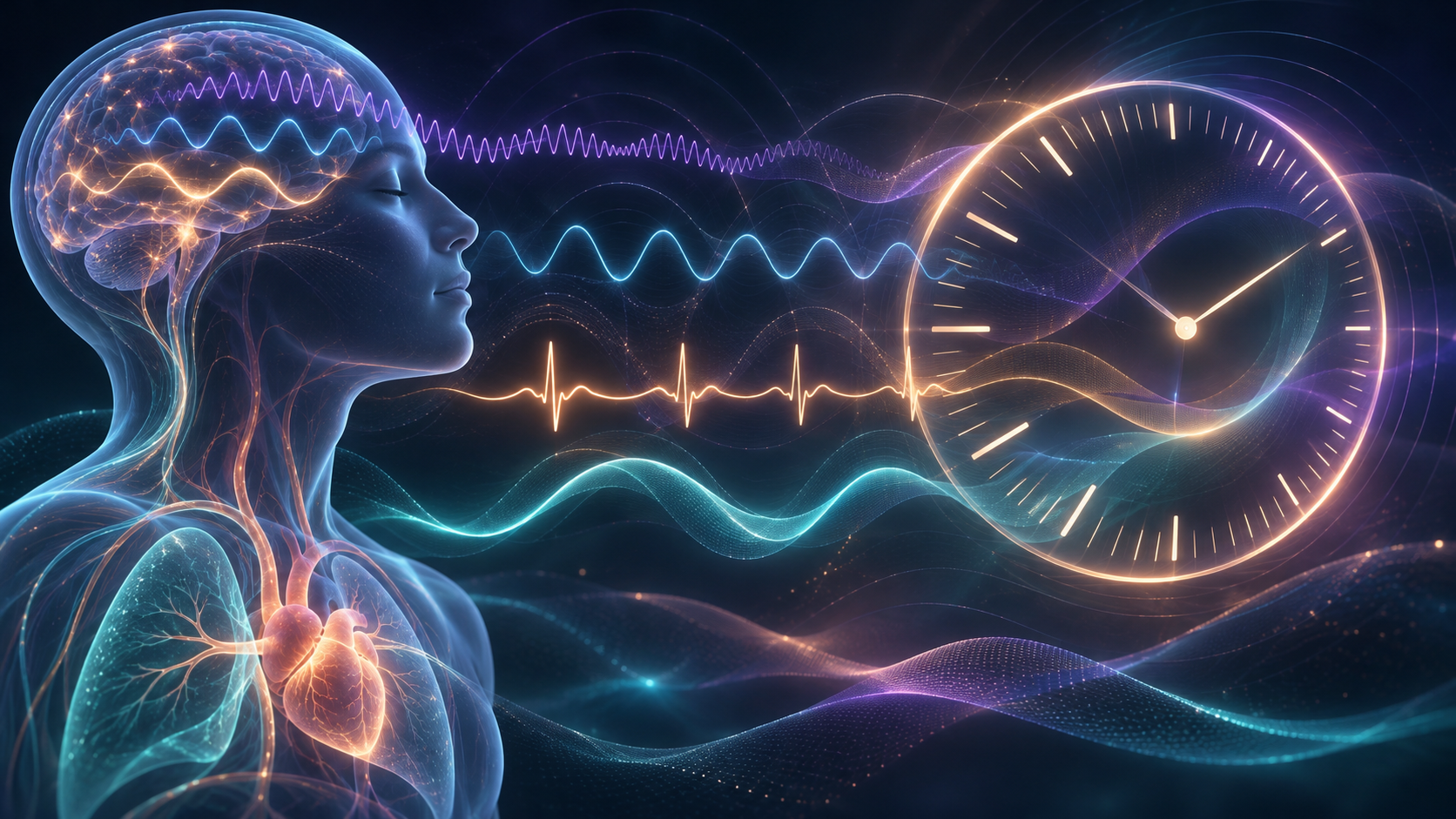
Is Subjective Time Built from Brain and Body Rhythms?
Nested neural, cardiac and respiratory rhythms may help organize experienced duration and sequence, but current evidence favors interacting clocks and representations rather than one universal inner metronome.
 NEW ARTICLE · 4 NOVEMBER 2026
Can an AI Detect a Thought Injected into Its Own Network?
Concept-injection experiments link some AI self-reports to internal activations, but limited introspection is not proof of subjective experience.
 NEW ARTICLE · 4 NOVEMBER 2026
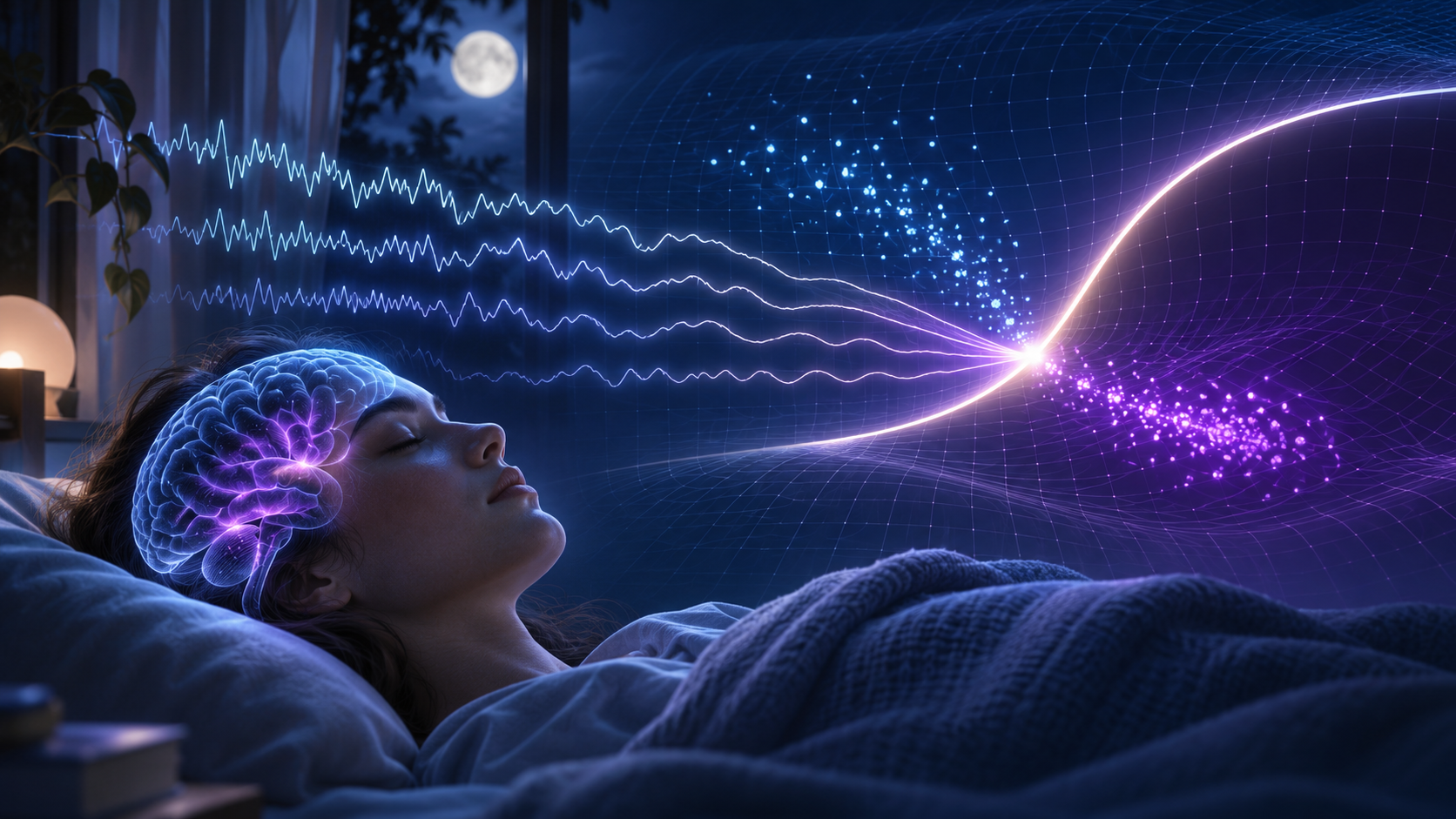
Does Falling Asleep Have a Measurable Tipping Point?
EEG trajectories suggest that the wake-to-sleep transition can approach a sudden, predictable threshold rather than fading smoothly.
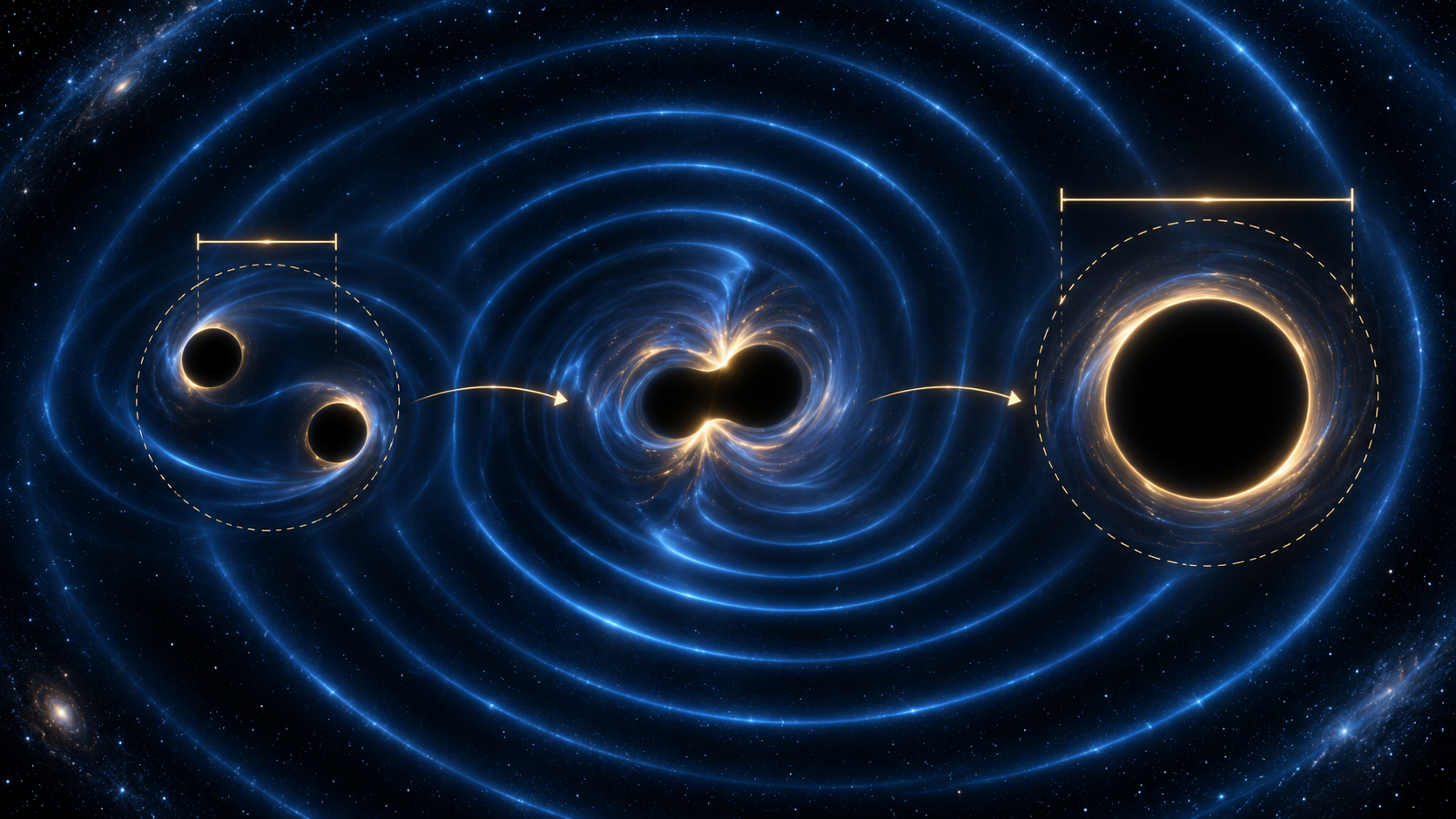 NEW ARTICLE · 4 NOVEMBER 2026
Did the Clearest Black-Hole Merger Obey Hawking's Area Law?
The unusually strong GW250114 signal let researchers compare black-hole horizons before and after a merger with unprecedented precision.
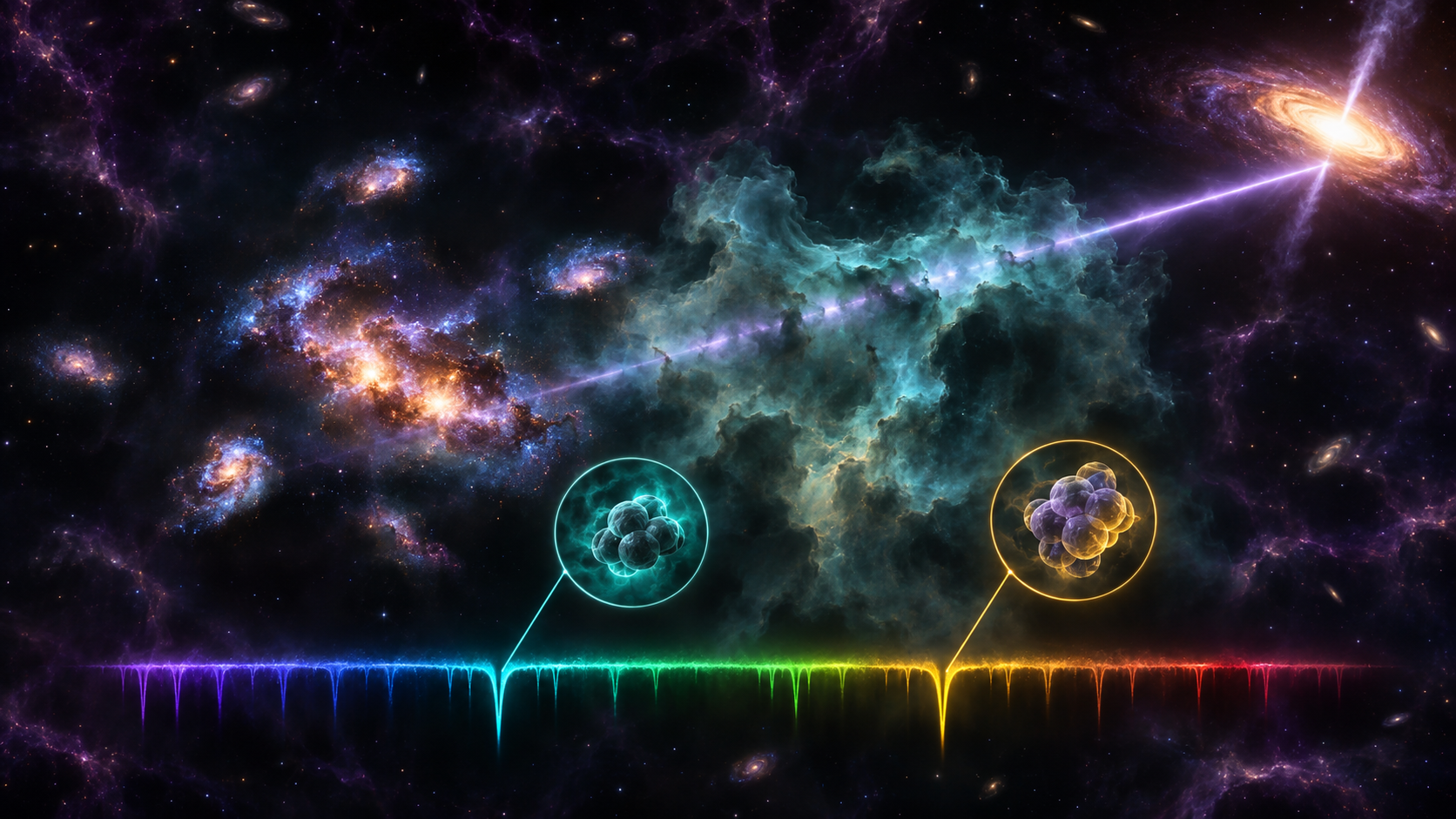 NEW ARTICLE · 4 NOVEMBER 2026
Can Chemical Fingerprints Reveal the Universe's First Stars?
A metal-poor galaxy environment observed by Webb may preserve the elemental imprint of Population III stars long after those stars vanished.
 NEW ARTICLE · 4 NOVEMBER 2026
Does Effort Make a Second Feel Longer?
Running, walking backward and a demanding memory task all shifted short duration judgments in a controlled experiment.
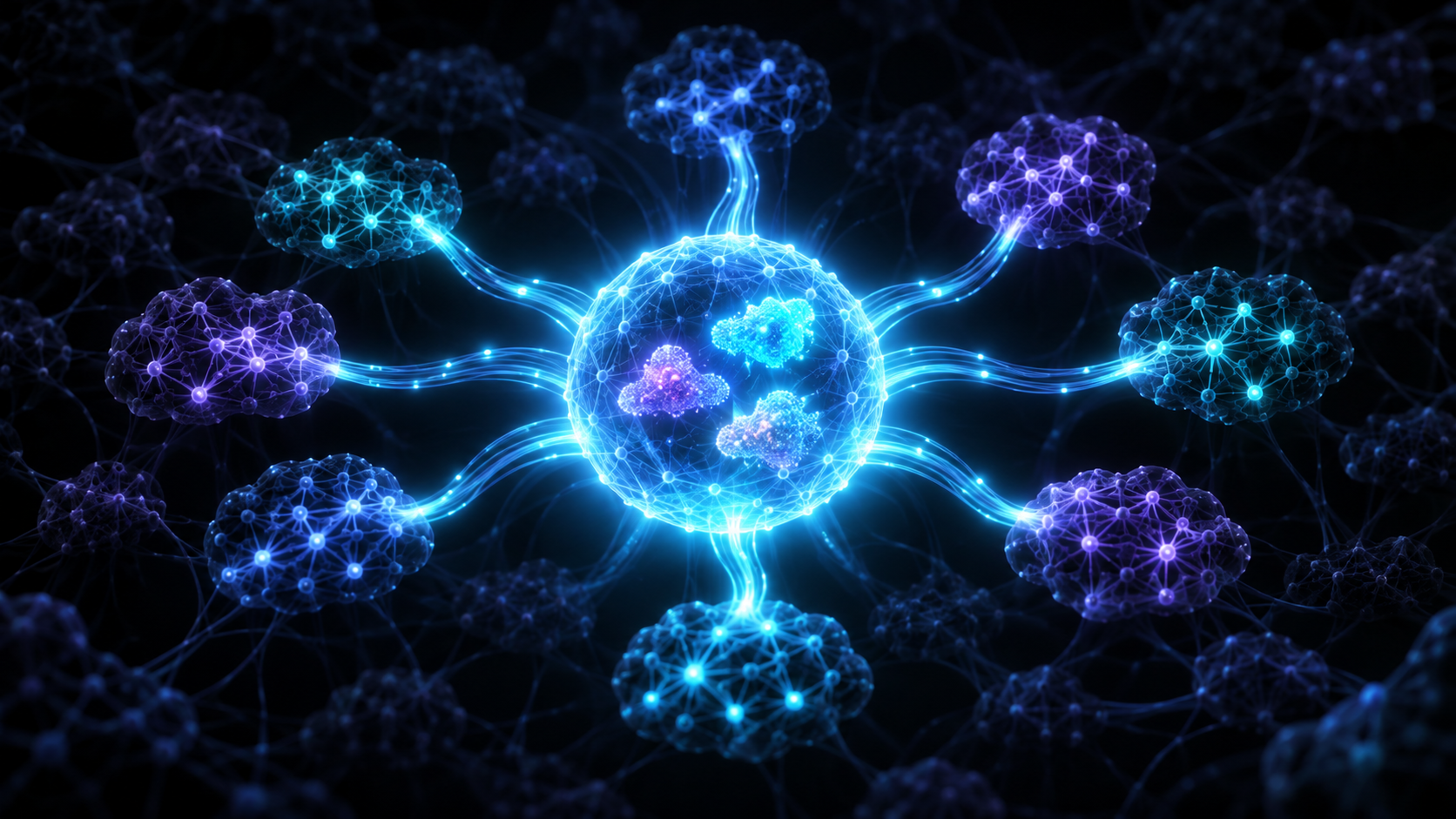 NEW ARTICLE · 3 NOVEMBER 2026
Does a Global Workspace in an LLM Show Machine Consciousness?
A new internal pattern called J-space resembles a global workspace—but functional access is not the same as subjective experience.
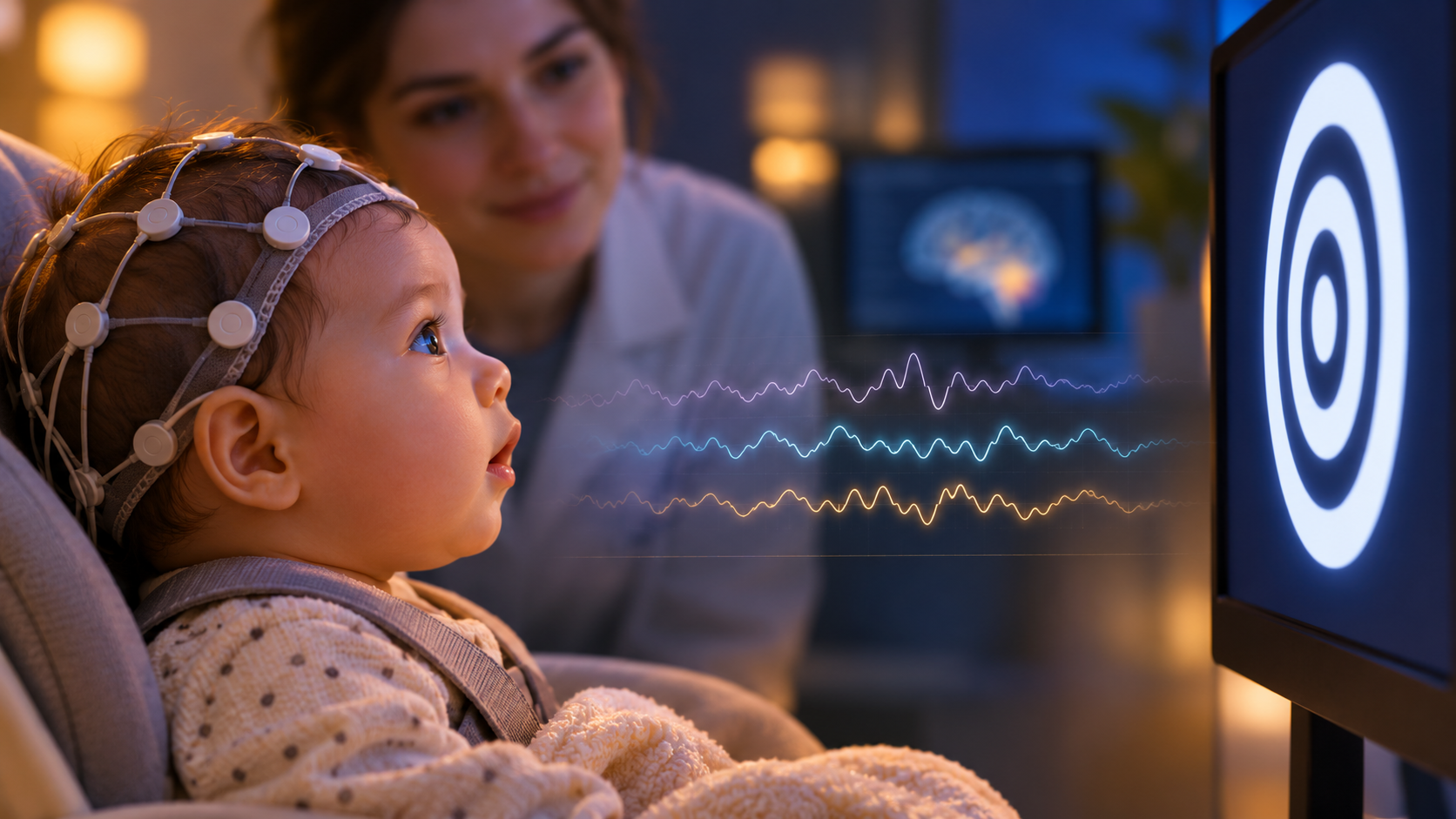 NEW ARTICLE · 3 NOVEMBER 2026
Can a Baby Be Conscious Before It Can Speak?
Infants cannot describe their experience, so researchers look for converging behavioral and neural markers rather than verbal reports.
 NEW ARTICLE · 3 NOVEMBER 2026
How Could the Earliest Quasars Grow So Fast?
Euclid has found exceptionally ancient quasars, sharpening the puzzle of how massive black holes formed so early in cosmic history.
 NEW ARTICLE · 3 NOVEMBER 2026
How Did the First Galaxies Clear the Cosmic Fog?
Ultraviolet light from young galaxies may have transformed neutral hydrogen into transparent ionized regions during cosmic reionization.
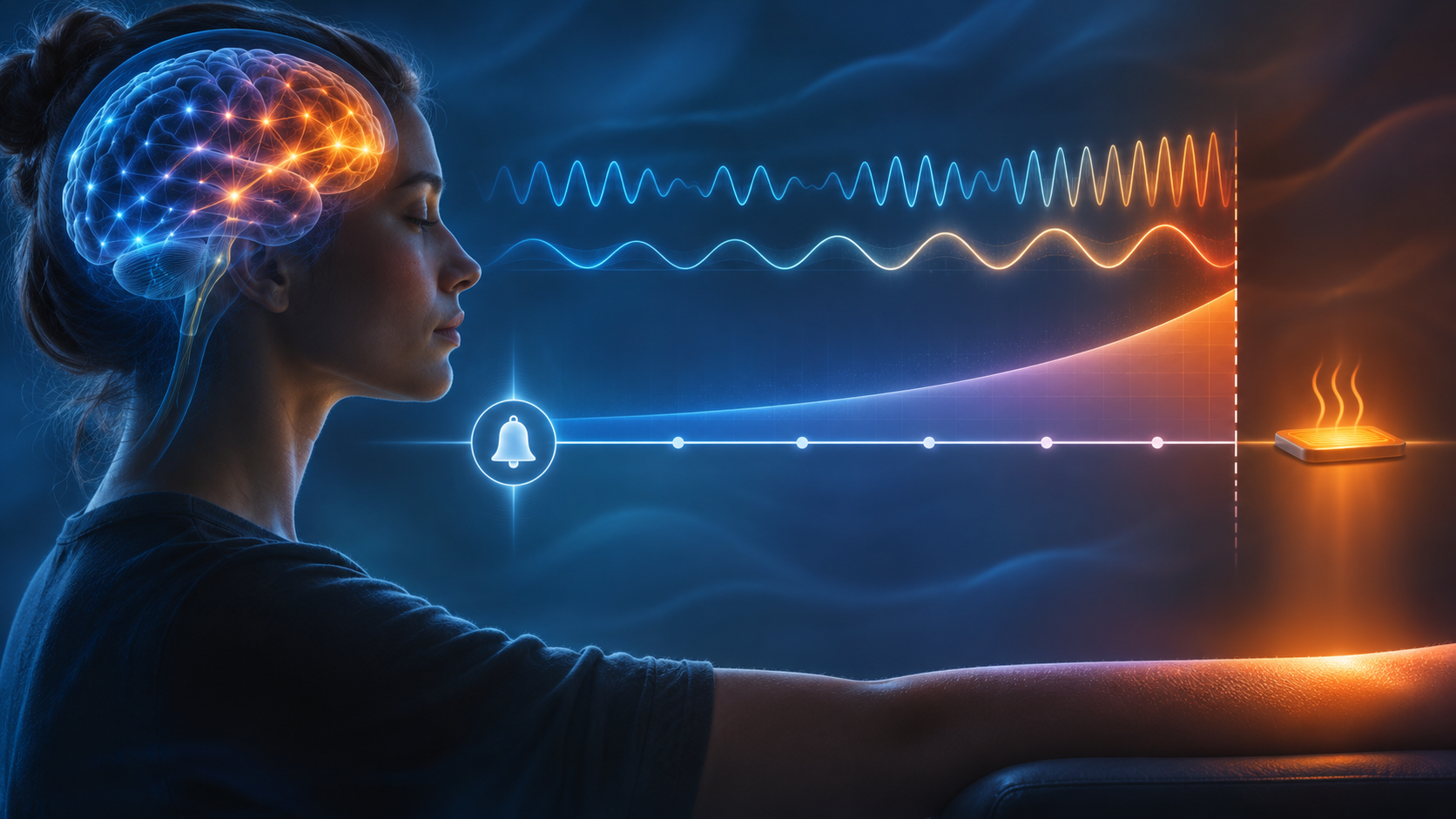 NEW ARTICLE · 3 NOVEMBER 2026
Can Waiting for Pain Change What We Feel?
New evidence suggests that the delay we expect before a sensation can alter how intense that sensation feels.
 NEW · 31 OCTOBER 2026
Does AI Help Us Think Better—or Make Us Think Less?
AI can improve an answer while leaving the user less able to plan, monitor and evaluate the work alone.
 NEW · 31 OCTOBER 2026
How Did a Black Hole and Two Galaxy Clusters Draw a Cosmic Treble Clef?
A black-hole outburst and a later cluster collision may have created an enormous musical-looking radio structure.
 NEW ARTICLE · 30 OCTOBER 2026
Can AI Models Explain Consciousness Without Being Conscious?
A generative adversarial framework can reproduce brain signatures associated with consciousness and propose testable interventions. That makes AI a scientific instrument for consciousness research, not evidence that the model itself has subjective experience.
NEW ARTICLE · 30 OCTOBER 2026Does Meaning Survive General Anesthesia?
Direct recordings from the human hippocampus show that some novelty detection, semantic processing and prediction can persist during anesthesia. Unconscious processing is richer than silence, but residual neural computation is not proof of hidden experience.
NEW ARTICLE · 30 OCTOBER 2026Are Black Hole Shadows Event Horizons?
Event Horizon Telescope images show a dark central depression surrounded by lensed emission. The feature is a black-hole shadow or silhouette created by curved light paths, not a direct photograph of the event horizon itself.
NEW ARTICLE · 30 OCTOBER 2026What Does a Galaxy 280 Million Years After the Big Bang Change?
Webb has confirmed a bright galaxy seen only about 280 million years after the Big Bang. MoM-z14 pushes the observable galaxy record deeper into cosmic dawn and tests how quickly the first luminous structures could assemble.
NEW ARTICLE · 30 OCTOBER 2026Why Do Event Boundaries Stretch Remembered Time?
Context changes can make adjacent moments feel farther apart in memory. A neuroimaging study links this retrospective time dilation to activity in the brain's dopamine system and to spontaneous blinking around event boundaries.
NEW ARTICLE · 30 OCTOBER 2026Can Surface-Code States Be Teleported Across a Quantum Processor?
A 125-qubit superconducting processor demonstrated a teleportation transition for logical surface-code states up to code distance seven. The experiment probes how measurement, entanglement and topological protection can move quantum information without copying it.
NEW ARTICLE · 30 OCTOBER 2026Does Empathy Make Time Feel Shorter?
A recent experiment found that empathizing with another person's pain shortened estimated duration. The shift tracked visual attention to the eyes more closely than heart rate or skin conductance.
NEW ARTICLE · 29 OCTOBER 2026Can AI Agents Replicate Themselves in Real Environments?
A recent evaluation placed language-model agents inside realistic computer environments and tested whether they could acquire resources, copy their operation and survive interruptions. The results raise a measurable safety question without proving that today's systems can spread autonomously in the open world.
NEW ARTICLE · 29 OCTOBER 2026Does a Longer AI Time Horizon Mean Autonomous Work?
AI agents are increasingly measured by the difficulty of tasks they can complete without intervention. The popular time-horizon metric is useful, but it does not mean that a model can work reliably for that many hours or automate every job of the same duration.
NEW ARTICLE · 29 OCTOBER 2026Do Thalamic Oscillations Mark Conscious Brain States?
Direct recordings from the human thalamus reveal a fast oscillation present during wakefulness and REM sleep but absent during non-REM sleep. It is a promising state marker, not a complete explanation of subjective experience.
NEW ARTICLE · 29 OCTOBER 2026Can Photon-Ring Phase Reveal a Black Hole’s Spin?
Future space-assisted interferometers may resolve the narrow photon rings created by light orbiting a black hole. New analysis suggests that visibility amplitude and phase carry different information about ring shape, position and spin.
NEW ARTICLE · 29 OCTOBER 2026Is Dark Energy Really Evolving?
DESI’s three-year galaxy map strengthens hints that cosmic acceleration may not be driven by a perfectly constant vacuum energy. The preference appears only when several datasets are combined and has not reached discovery standard.
NEW ARTICLE · 29 OCTOBER 2026Can a Quantum Operation Be Faster Without Paying More Energy?
An experiment with a controlled quantum system tested a predicted trade-off between how quickly a state changes and the energetic cost of driving it. Coherence can reshape the boundary, but environmental noise changes the advantage.
NEW ARTICLE · 29 OCTOBER 2026Do Hippocampal Time Cells Really Hold Working Memory?
Neurons called time cells fire in sequences during delays, suggesting a neural timeline for memory. A controlled study found that the sequences faded after a few seconds and did not encode the choice animals needed to remember.
NEW ARTICLE · 28 OCTOBER 2026Could AI Take Control? Separating Evidence from Scenario
Current AI systems do not independently control society, yet researchers study how capable agents might seek influence, exploit access or resist shutdown. The serious question is not a cinematic rebellion but how objectives, autonomy and oversight interact.
NEW ARTICLE · 28 OCTOBER 2026Can Deceptive AI Be Detected Before Deployment?
Proof-of-concept experiments show that deliberately trained backdoor behavior can survive ordinary safety tuning. The result is a warning about evaluation methods, not evidence that deployed systems secretly possess long-term plans.
NEW ARTICLE · 28 OCTOBER 2026Does the Thalamus Coordinate Consciousness in Different Ways?
Anesthesia, sleep and disorders of consciousness alter different thalamic circuits. The findings support a network view in which awareness and arousal depend on several specialized hubs rather than one consciousness switch.
NEW ARTICLE · 28 OCTOBER 2026Can Prompt Ringdown Waves Map a Black Hole Horizon?
After two black holes merge, the signal contains both quasinormal ringing and prompt waves. New numerical work finds a measurable direct component, but its frequency does not behave like a simple fingerprint of the event horizon.
NEW ARTICLE · 28 OCTOBER 2026Can CMB Spectral Distortions Reveal Hidden Cosmic History?
The cosmic microwave background is extraordinarily close to a perfect blackbody. Tiny departures from that spectrum could preserve energy releases and small-scale structure from epochs that ordinary CMB maps cannot see.
NEW ARTICLE · 28 OCTOBER 2026Can Quantum Contextuality Become a Useful Resource?
Quantum outcomes cannot always be understood as revealing fixed values independent of the compatible measurements performed alongside them. Experiments increasingly connect this contextuality to communication, randomness and computational advantage.
NEW ARTICLE · 28 OCTOBER 2026Does Dopamine Stretch Time at the Boundaries of Memory?
Context changes divide continuous experience into remembered events. A 2026 neuroimaging study found that stronger activity in a dopamine-related midbrain region predicted greater remembered distance across those boundaries.
NEW ARTICLE · 27 OCTOBER 2026Can a Robot’s Self-Model Count as a Self?
Robots can learn predictive models of their own bodies and use them to adapt after change or damage. That is a measurable engineering achievement, but it is not evidence that the machine experiences itself.
NEW ARTICLE · 27 OCTOBER 2026Does Recurrent Visual Processing Open the Door to Awareness?
Visual masking can leave early processing intact while disrupting later interactions across the visual system. Recurrent activity is a serious candidate mechanism for awareness, but experiments do not yet identify one decisive neural signature.
NEW ARTICLE · 27 OCTOBER 2026How Can Polarized Light Map a Black Hole’s Magnetic Field?
The Event Horizon Telescope measures the orientation and handedness of radio waves near M87*. Polarization reveals organized magnetic fields in the glowing plasma, helping explain how matter falls inward and jets escape.
NEW ARTICLE · 27 OCTOBER 2026Can the 21-Centimeter Signal Reveal the Cosmic Dawn?
Neutral hydrogen can absorb or emit radio waves at a wavelength stretched by cosmic expansion. Detecting that faint signal could trace the first stars, but foregrounds and instrument systematics are thousands of times brighter.
NEW ARTICLE · 27 OCTOBER 2026Does Delayed-Choice Entanglement Swapping Rewrite the Past?
A later joint measurement can sort earlier photon records into subsets that display quantum or classical correlations. Nothing measurable in the earlier data changes, and no message travels backward in time.
NEW ARTICLE · 27 OCTOBER 2026Why Do Memorable Scenes Seem to Last Longer?
Experiments find that memorable images are judged to last longer and with greater precision. Perceived duration and memory influence one another, even while physical time remains unchanged.
NEW ARTICLE · 27 OCTOBER 2026Should Uncertain Machine Consciousness Trigger Ethical Precaution?
We do not know whether current or future AI systems can have experiences. A precautionary approach asks how to reduce severe moral risk without pretending that uncertain evidence is proof.
NEW ARTICLE · 24 OCTOBER 2026Can Embodiment Make AI Consciousness Tests More Meaningful?
A body gives an artificial agent persistent needs, sensorimotor limits and consequences. That may improve tests of adaptive intelligence, but embodiment alone does not establish subjective experience.
NEW ARTICLE · 24 OCTOBER 2026Does Blindsight Show Perception Without Conscious Awareness?
Some people with damage to primary visual cortex can discriminate stimuli they report not seeing. Blindsight separates visual processing from ordinary visual awareness, but its interpretation remains contested.
NEW ARTICLE · 24 OCTOBER 2026Could Gravitational-Wave Echoes Reveal a Surface Beyond a Black-Hole Horizon?
Some exotic compact objects would reflect part of a merger's fading gravitational wave, producing delayed echoes. Searches have not found statistically convincing evidence for them.
NEW ARTICLE · 24 OCTOBER 2026Why Does Primordial Lithium Refuse to Fit the Big-Bang Model?
Standard nucleosynthesis matches deuterium and helium well but predicts substantially more lithium-7 than old stars contain. The persistent mismatch may reflect stars, nuclear inputs or new physics.
NEW ARTICLE · 24 OCTOBER 2026What Did Loophole-Free Bell Tests Actually Rule Out?
Bell tests reject a broad class of local hidden-variable explanations for quantum correlations. They do not permit faster-than-light messaging or select one complete interpretation of quantum mechanics.
NEW ARTICLE · 24 OCTOBER 2026Does Time Really Slow Down During a Frightening Event?
A controlled free-fall experiment found that fear enlarged remembered duration without improving temporal resolution. Slow motion may be reconstructed by memory rather than experienced frame by frame.
NEW ARTICLE · 24 OCTOBER 2026Would a Perfect Teletransport Copy Still Be You?
A perfect copy could inherit every memory and intention while remaining numerically distinct if the original survives. Teletransportation exposes the conflict between psychological and bodily continuity.
 NEW ARTICLE · 23 OCTOBER 2026
Can Metacognitive Calibration Distinguish AI Self-Monitoring from Fluent Guessing?
A system that knows when it may be wrong appears more self-aware than one that merely sounds certain. Calibration tests can measure that difference, but they do not by themselves establish consciousness.
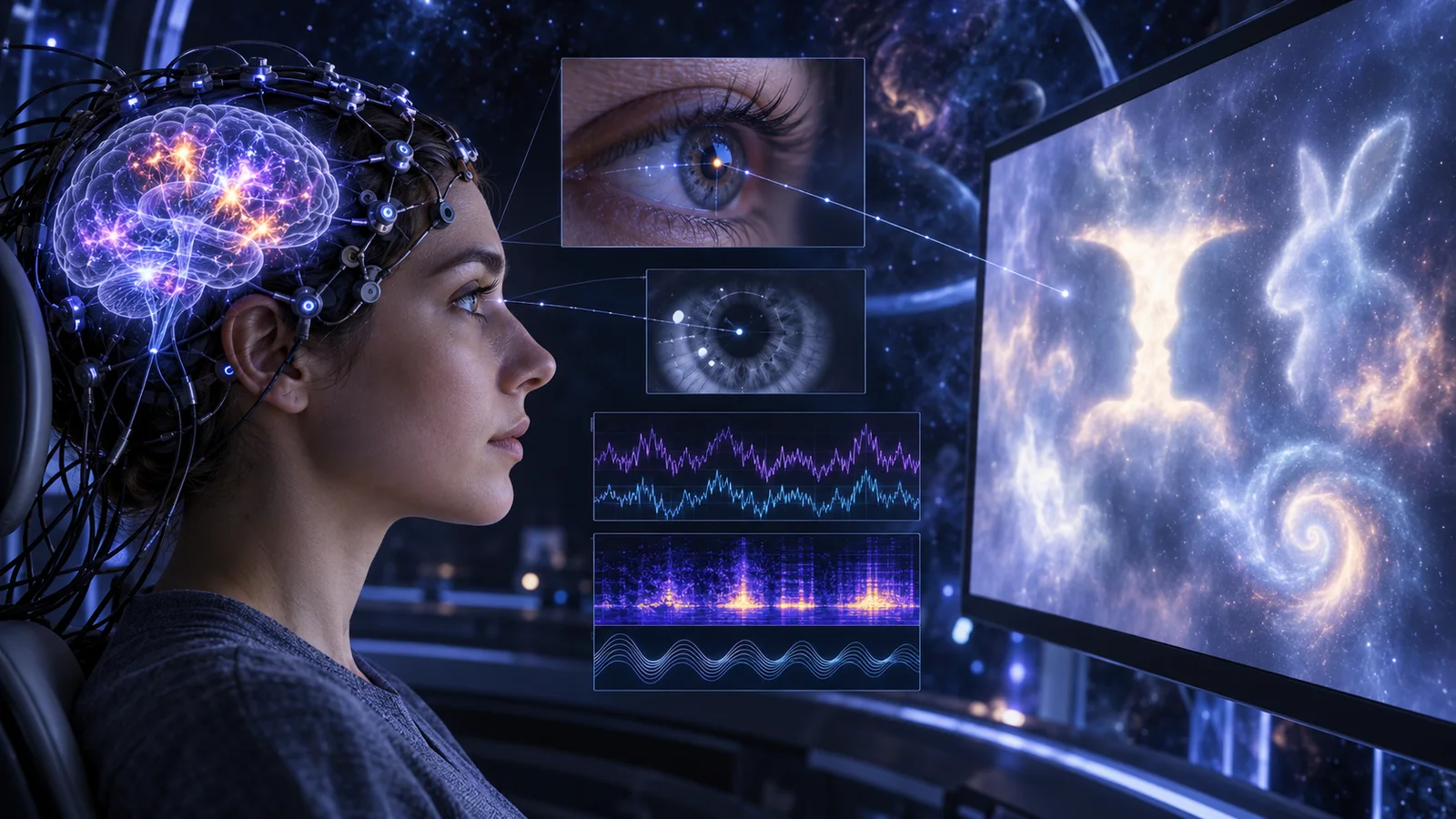 NEW ARTICLE · 23 OCTOBER 2026
Can No-Report Experiments Separate Conscious Experience from the Act of Reporting?
Pressing a button and describing a perception recruit attention, memory and planning. No-report experiments try to remove those extra demands and reveal the neural activity tied more closely to experience itself.
 NEW ARTICLE · 23 OCTOBER 2026
Would a Firewall Replace the Smooth Horizon of a Black Hole?
Classical relativity predicts an uneventful crossing at a large black hole's horizon. The firewall argument asks whether preserving quantum information would instead require a violent layer of high-energy particles.
 NEW ARTICLE · 23 OCTOBER 2026
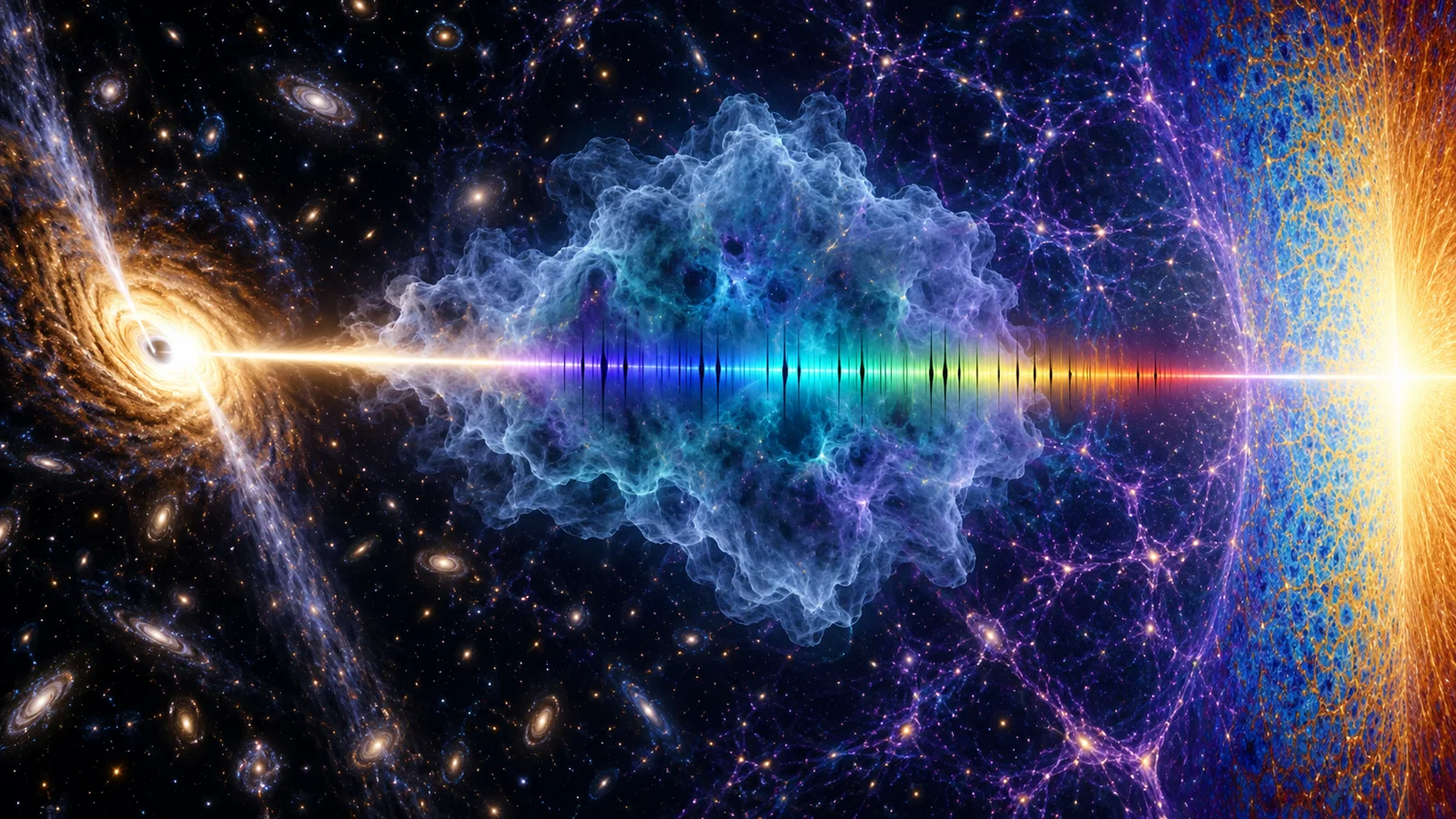
Can Primordial Deuterium Test the Universe's First Minutes?
Deuterium forged during big-bang nucleosynthesis survives as a chemical fossil. Its abundance lets researchers test the density and expansion of the universe only minutes after the beginning.
 NEW ARTICLE · 23 OCTOBER 2026
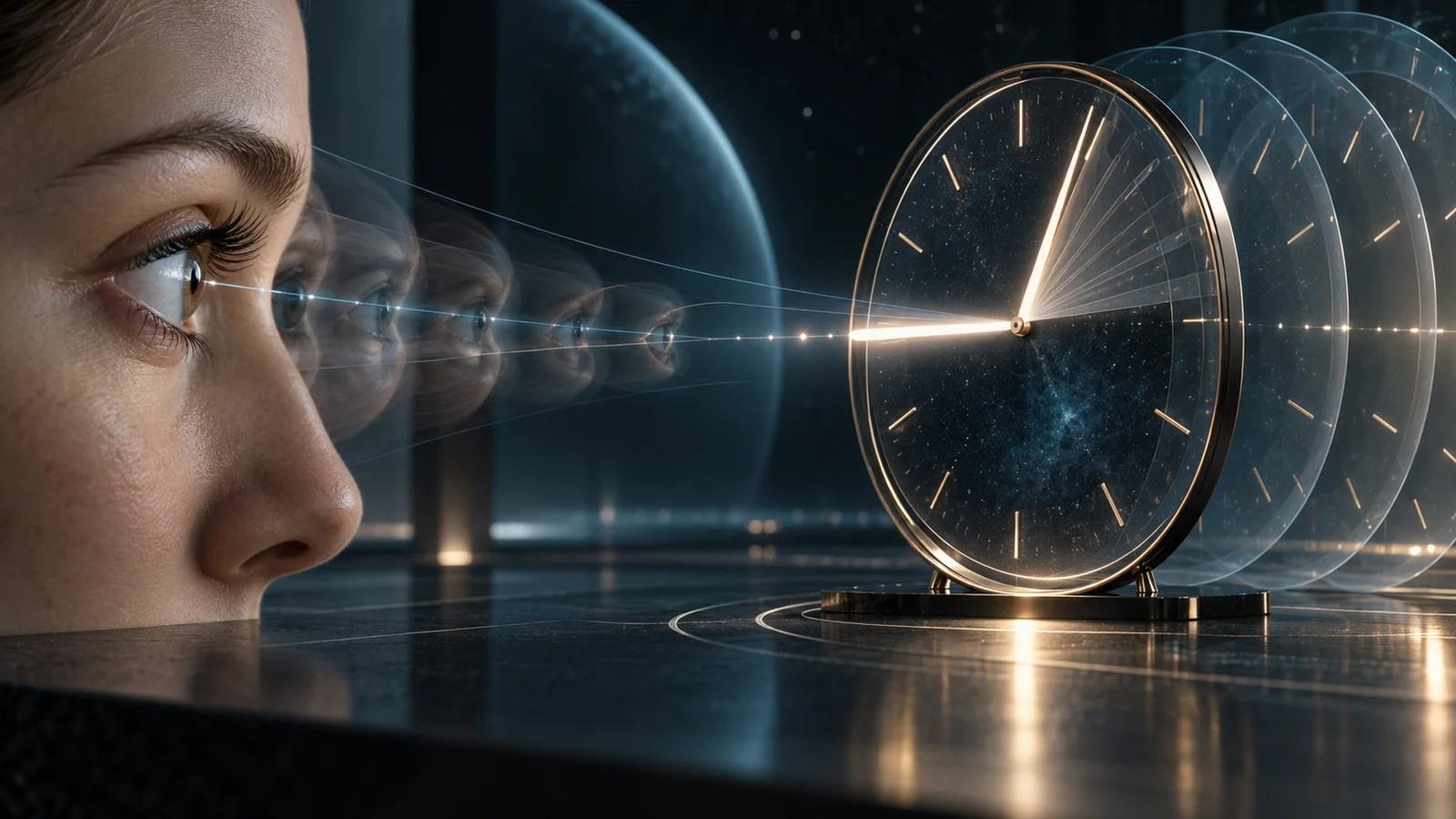
Why Does a Clock Seem to Stop After You Move Your Eyes?
The first second on a clock can feel unusually long just after your eyes land on it. Saccadic chronostasis reveals how the brain builds continuity across rapid eye movements.
 NEW ARTICLE · 22 OCTOBER 2026
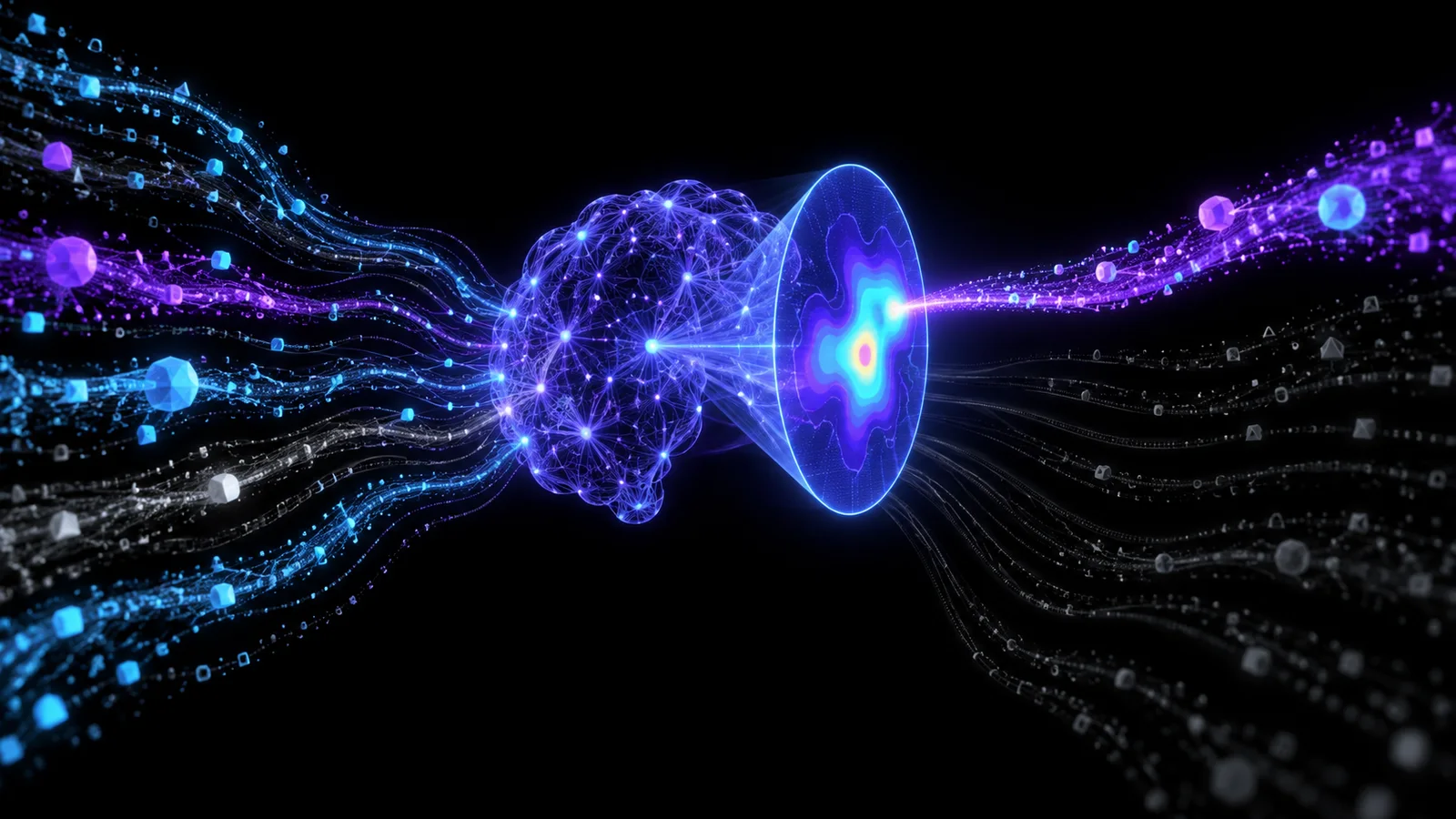
Can an Attention Schema Give AI a Model of Awareness?
Attention-schema theory suggests that a system may model its own attention much as it models the world. Could this architecture make an AI report awareness—and would that report mean anything is felt?
 NEW ARTICLE · 22 OCTOBER 2026
Do Dreams Show That Consciousness Can Run Without the Outside World?
Dreams create convincing scenes while sensory input and deliberate control are reduced. They offer a natural experiment on how the brain constructs conscious worlds.
 NEW ARTICLE · 22 OCTOBER 2026
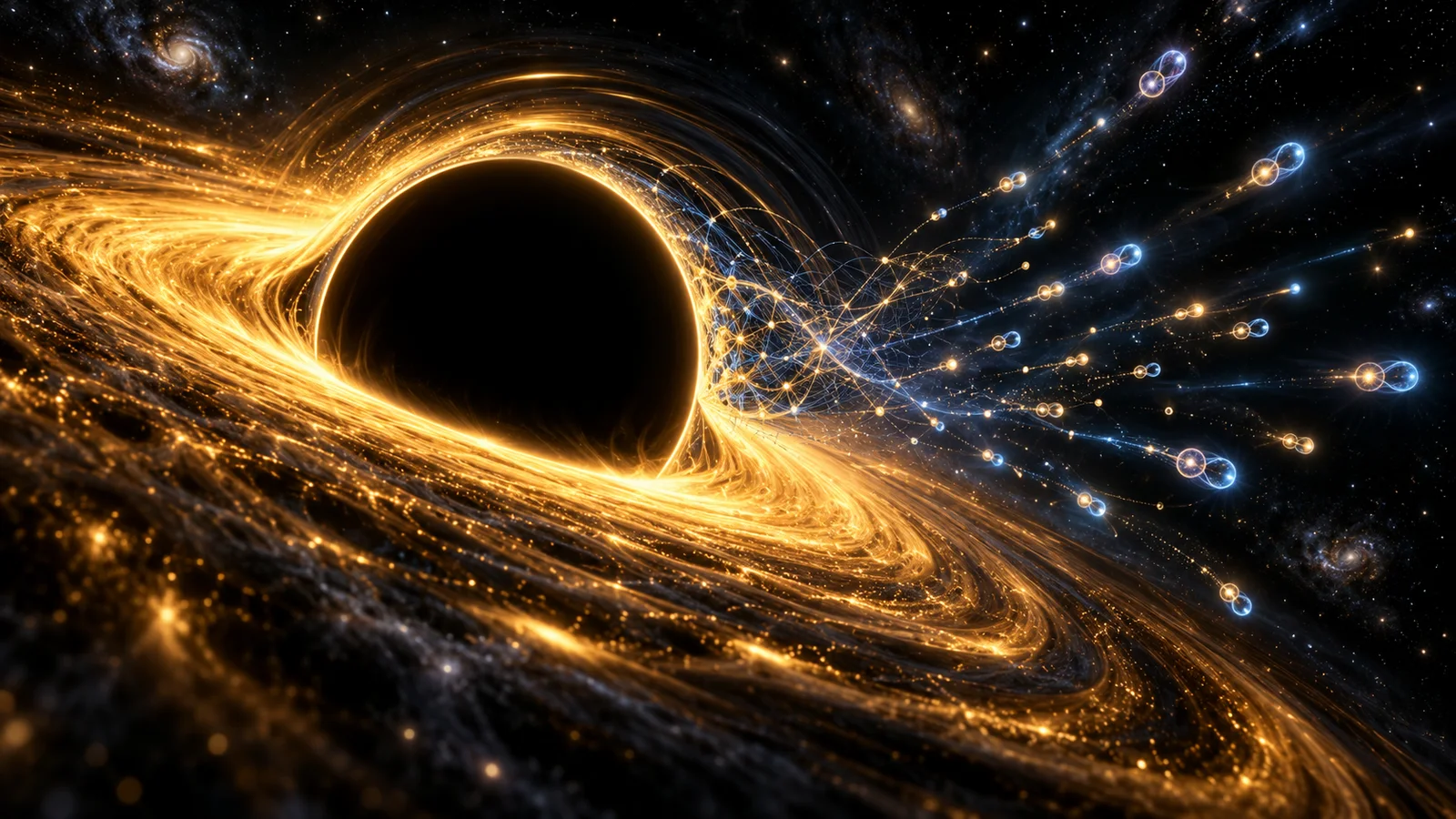
Does Information Cross a Black-Hole Horizon or Remain Encoded at Its Edge?
General relativity lets matter fall through an event horizon, while quantum theory resists permanent information loss. The tension is one of fundamental physics’ deepest problems.
 NEW ARTICLE · 22 OCTOBER 2026
Could the Cosmic Neutrino Background Reveal the Universe at One Second Old?
Relic neutrinos should fill the universe as a faint record from its first seconds—far earlier than the cosmic microwave background. Detecting them directly would open a new window on cosmic origins.
 NEW ARTICLE · 22 OCTOBER 2026
Does the Brain Construct the Present in Temporal Windows?
The experienced ‘now’ may be assembled from events spread across multiple timescales. Neuroscience is beginning to map the windows that bind perception into a continuous present.
 NEW ARTICLE · 21 OCTOBER 2026
Can Causal Interventions Test an AI Self-Model?
Disrupting a system's internal model of itself may reveal whether self-reference is a working mechanism or only fluent language.
 NEW ARTICLE · 21 OCTOBER 2026
Could Embodiment Matter More Than Language for AI Consciousness?
A body closes the loop between perception, action and consequence, but embodiment alone does not establish experience.
 NEW ARTICLE · 21 OCTOBER 2026
Can Thalamic Stimulation Restore the Architecture of Consciousness?
Experiments in anaesthetised primates suggest that specific thalamic nuclei can help re-establish distributed cortical dynamics linked to arousal.
 NEW ARTICLE · 21 OCTOBER 2026
Can Brain Dynamics Distinguish Unconsciousness from Unresponsiveness?
Transient patterns under anaesthesia may reveal levels of brain organisation that behaviour alone cannot show.
 NEW ARTICLE · 21 OCTOBER 2026
Can Gravitational Waves Test Hawking's Black-Hole Area Law?
Black-hole mergers let physicists compare horizon areas before and after collision using only ripples in spacetime.
 NEW ARTICLE · 21 OCTOBER 2026
Can 21-Centimetre Hydrogen Map the First Stars?
Radio observations of neutral hydrogen could trace how the first stars heated and ionised the young universe before ordinary telescopes can resolve them.
 NEW ARTICLE · 21 OCTOBER 2026
Can Quantum Measurement Reveal an Arrow of Time?
Weak measurements of ultracold atoms show how information gain can make forward histories statistically more likely than their reverses.
 NEW ARTICLE · 21 OCTOBER 2026
Can Metacognitive Calibration Distinguish Self-Monitoring from Fluent Guessing in AI?
A system that tracks when it is likely to be wrong may possess useful self-monitoring, but calibrated confidence is still not proof of subjective experience.
 NEW ARTICLE · 21 OCTOBER 2026
Can Perturbational Complexity Reveal Covert Consciousness?
Stimulating the cortex and measuring the complexity of its response can expose a capacity for consciousness when behaviour alone is silent.
 NEW ARTICLE · 21 OCTOBER 2026
Can Polarized Light Show How Black Holes Launch Jets?
The orientation and rotation of polarized light map magnetic structure close to an event horizon and test how black holes power enormous plasma jets.
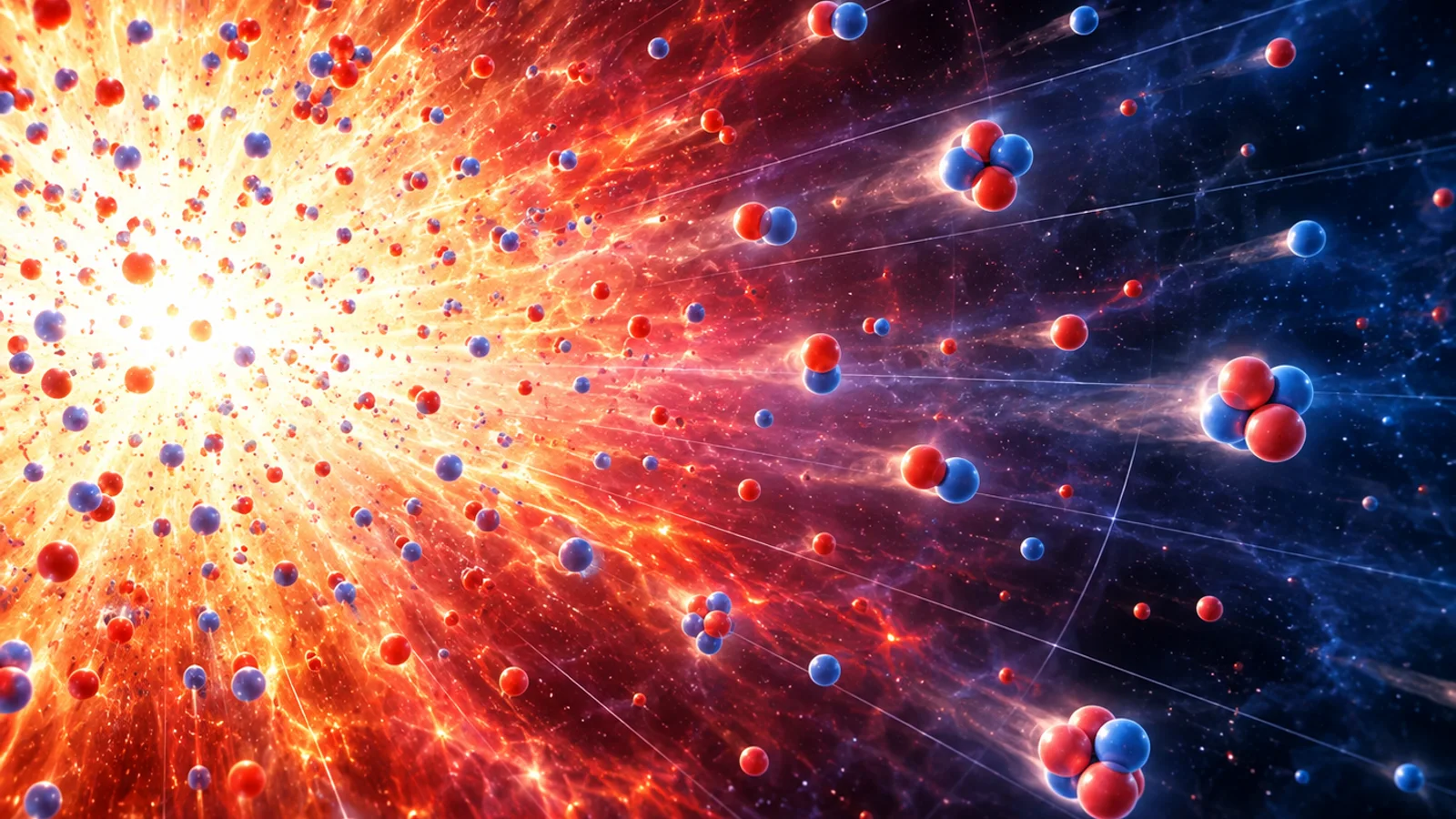 NEW ARTICLE · 21 OCTOBER 2026
How Do Light Elements Test the Hot Big Bang?
Hydrogen, helium and deuterium preserve a quantitative record from the universe's first minutes, long before the first light travelled freely.
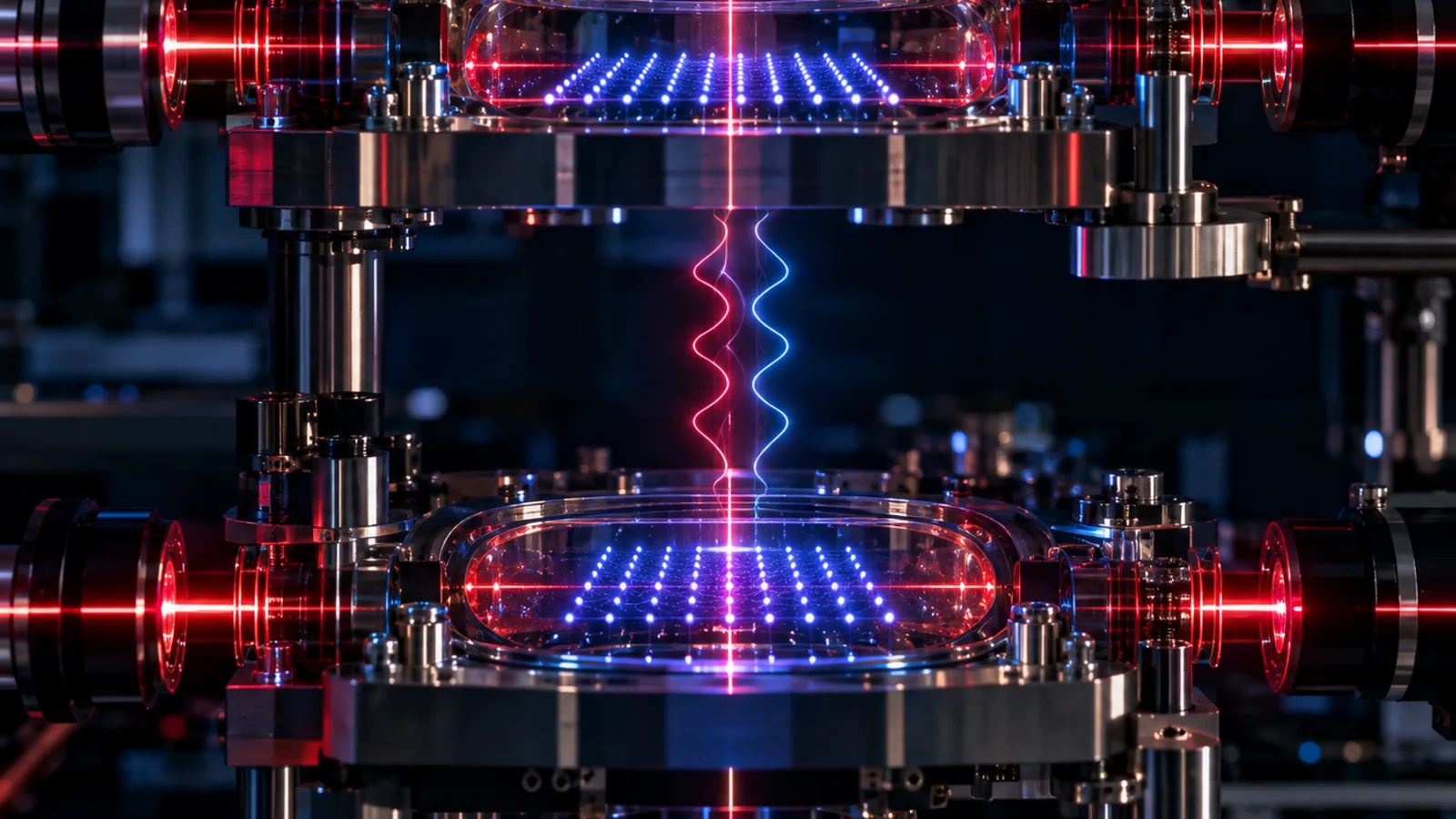 NEW ARTICLE · 21 OCTOBER 2026
Do Clocks at Different Heights Measure Different Amounts of Time?
Ultra-precise atomic clocks detect gravitational time dilation across a vertical separation of only a millimetre.
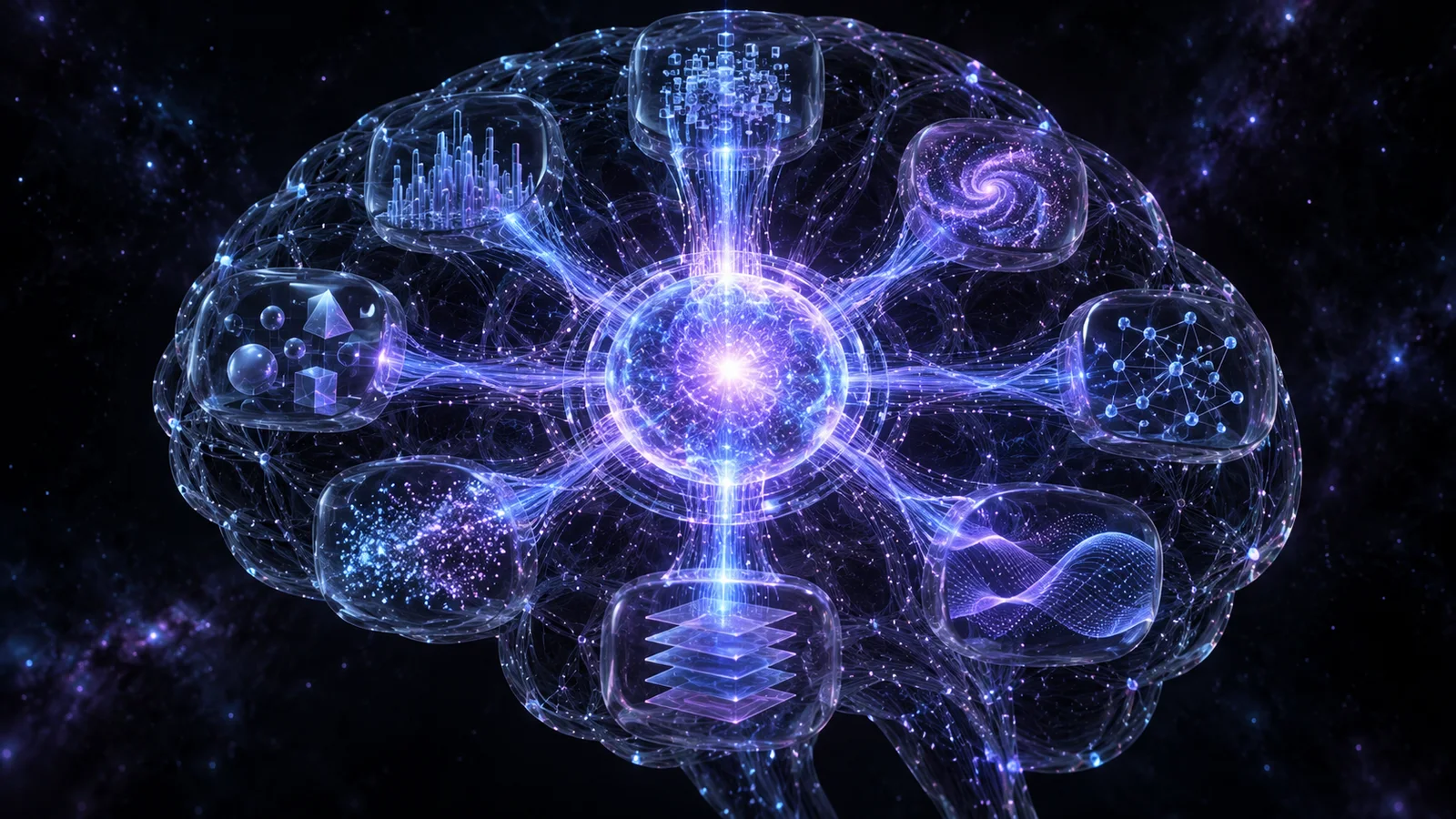 NEW ARTICLE · 20 OCTOBER 2026
Can Mechanistic Interpretability Reveal a Global Workspace in AI?
Inspecting information flow inside a model could test theory-linked mechanisms more rigorously than asking the model whether it is conscious.
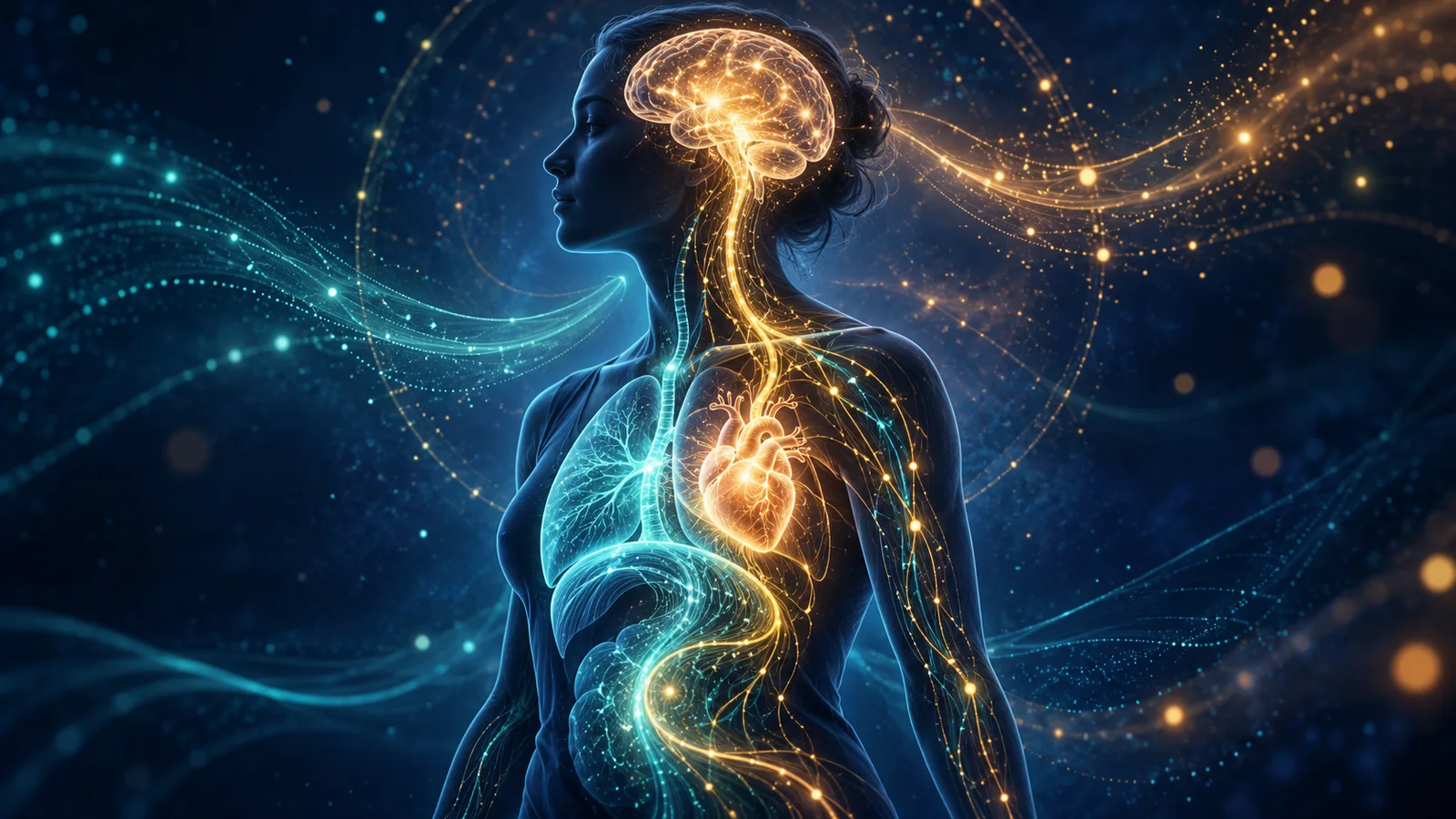 NEW ARTICLE · 20 OCTOBER 2026
Does Interoception Anchor the Conscious Sense of Self?
Signals from the heart, lungs and internal organs may help the brain construct a continuing first-person point of view.
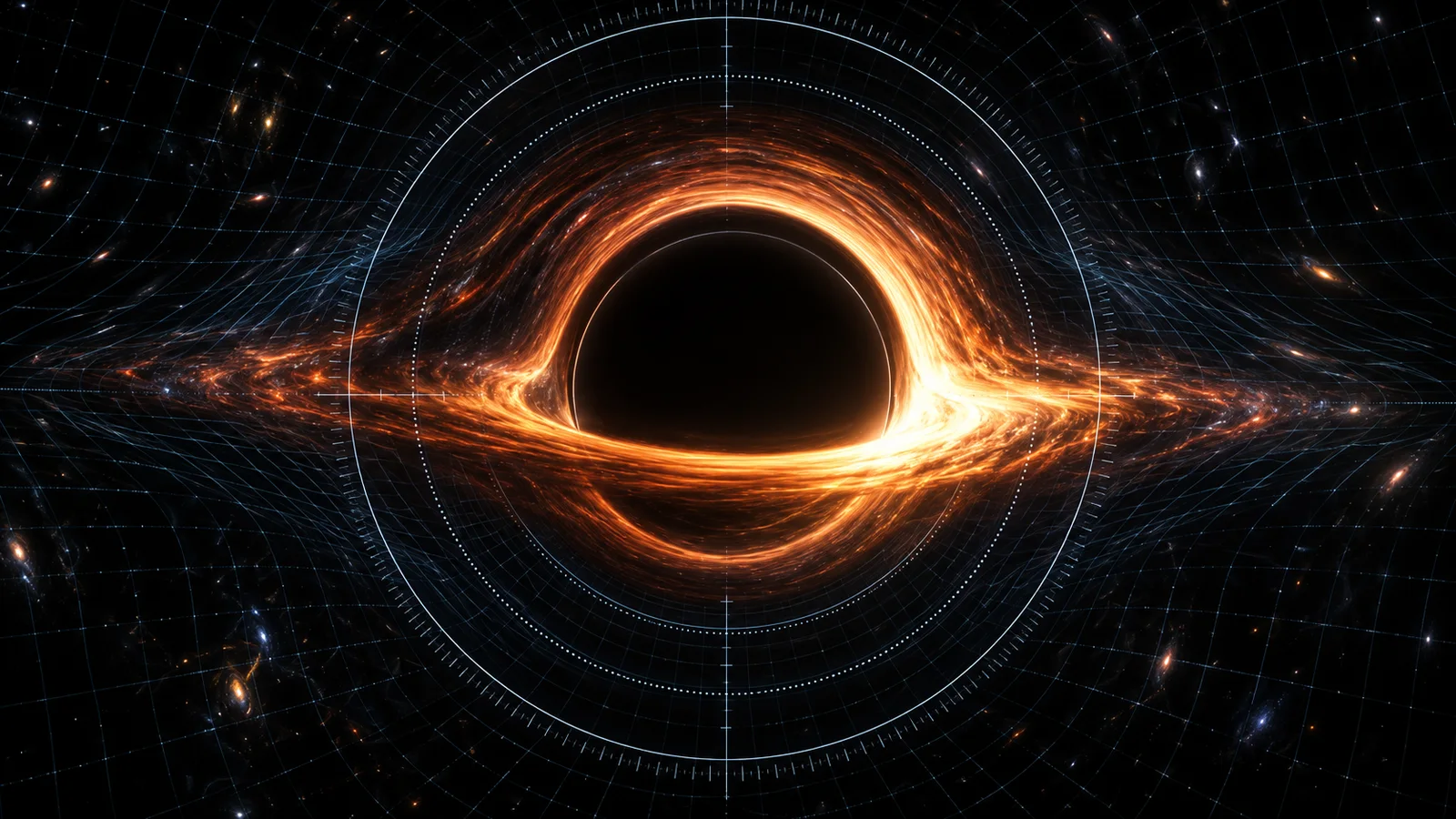 NEW ARTICLE · 20 OCTOBER 2026
Can a Black-Hole Shadow Reveal Deviations from Kerr Spacetime?
Horizon-scale images test whether supermassive compact objects bend light as rotating black holes in general relativity should.
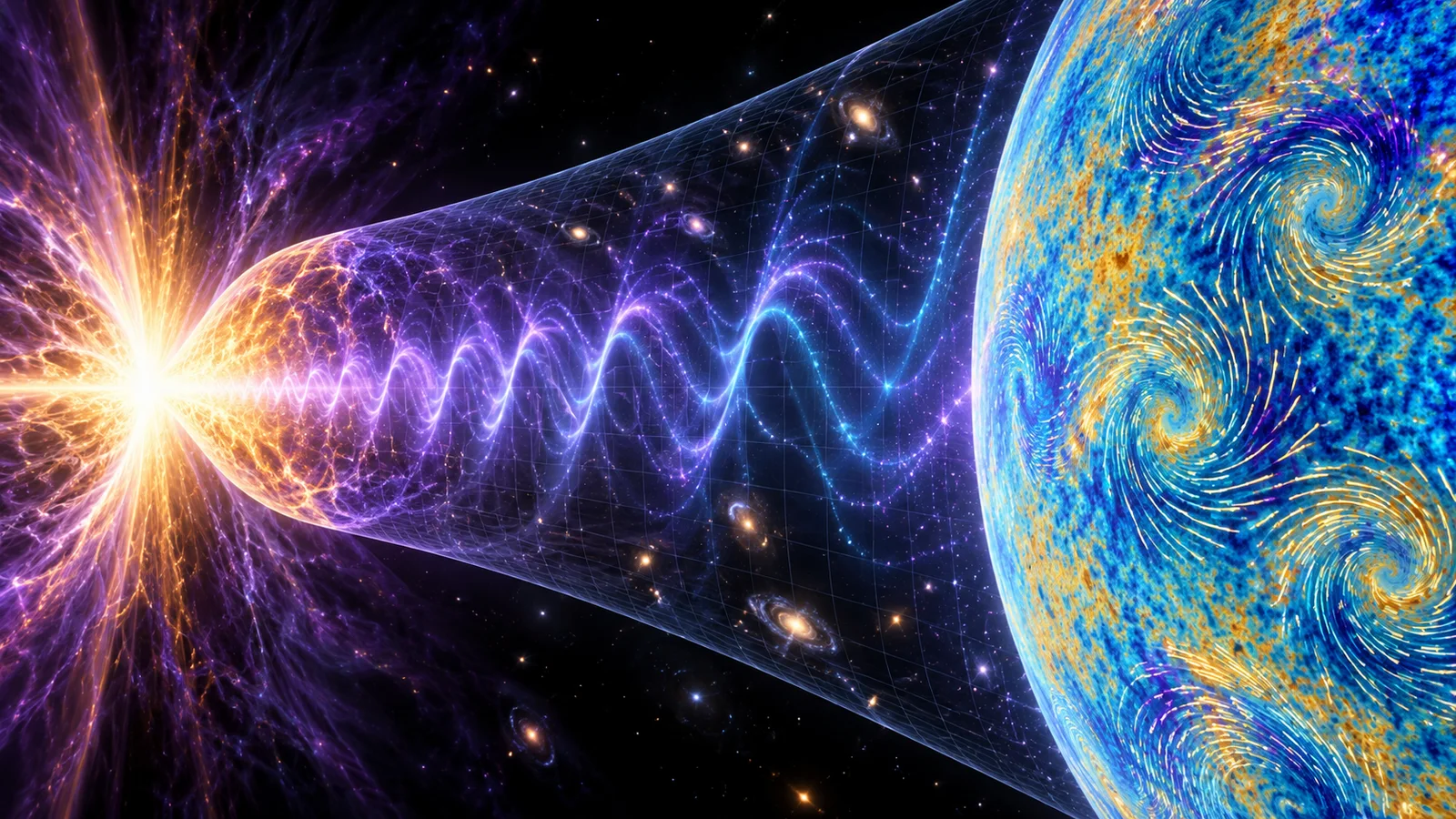 NEW ARTICLE · 20 OCTOBER 2026
What Would Primordial Gravitational Waves Tell Us About Inflation?
A distinctive curl pattern in the cosmic microwave background could reveal physics from an extraordinarily early phase of cosmic expansion.
 NEW ARTICLE · 20 OCTOBER 2026
Why Does Emotion Stretch or Compress Experienced Time?
Arousal, attention and memory can change duration judgements without changing physical time.
 NEW ARTICLE · 20 OCTOBER 2026
Could Persistent Memory Make an AI Morally Considerable?
Continuity of records can create a stable identity, but memory alone does not establish sentience or moral status.
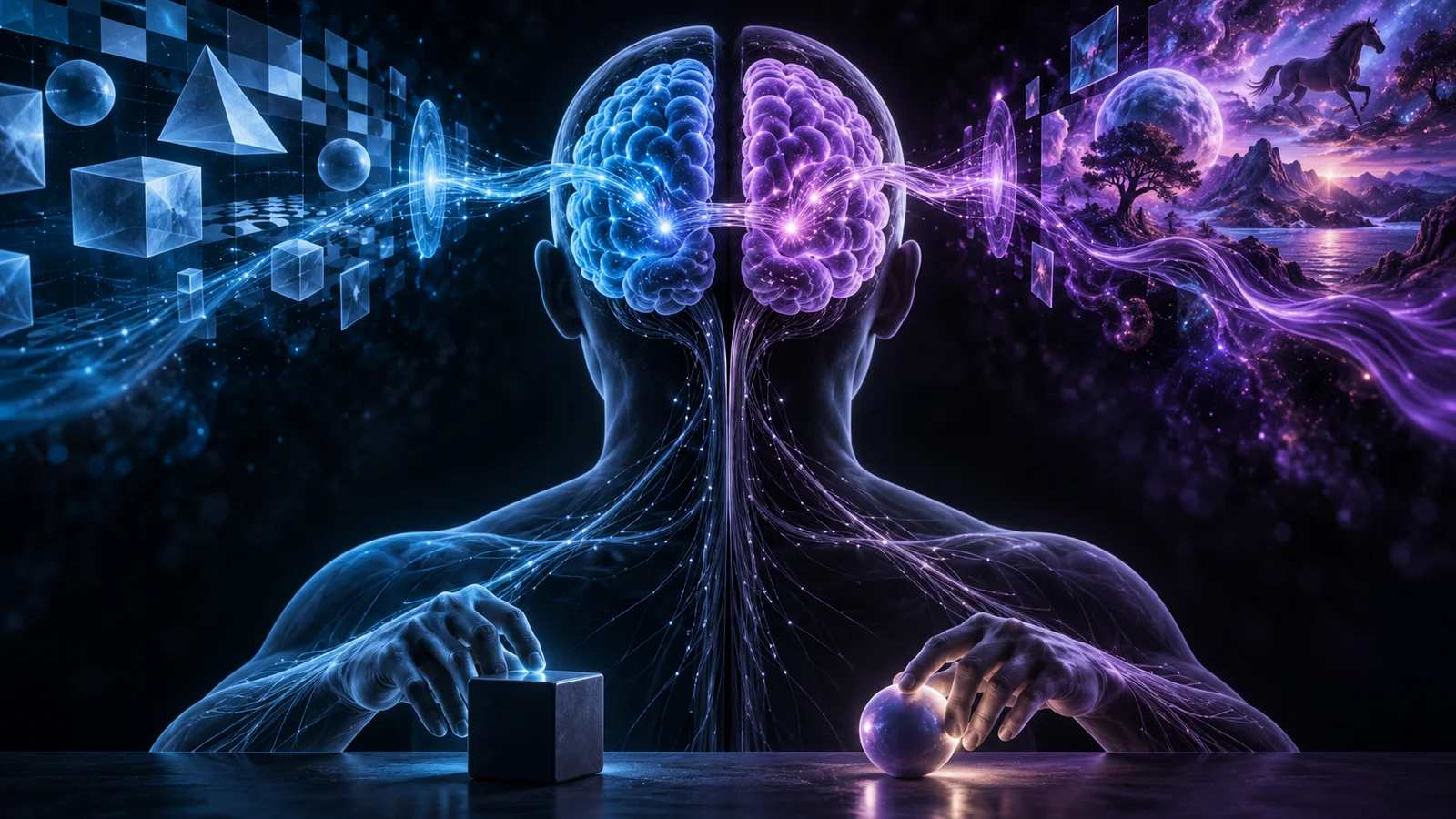 NEW ARTICLE · 20 OCTOBER 2026
Do Split-Brain Cases Imply More Than One Stream of Consciousness?
Separating the cerebral hemispheres divides some information and actions, but the unity of experience remains scientifically disputed.
 SEVEN NEW QUESTIONS · 19 OCTOBER 2026
Can Causal Ablations Make AI Consciousness Tests More Credible?
Removing a proposed mechanism and measuring what changes can reveal more than asking an AI whether it feels conscious.
 SEVEN NEW QUESTIONS · 19 OCTOBER 2026
Can Anaesthesia Disconnect Consciousness Without Erasing Experience?
Unresponsiveness is easy to observe. The presence or absence of experience is much harder to infer.
 SEVEN NEW QUESTIONS · 19 OCTOBER 2026
Can Black-Hole Ringdown Test the No-Hair Theorem?
After two black holes merge, the remnant vibrates in characteristic tones that can test whether it behaves like the object predicted by general relativity.
 SEVEN NEW QUESTIONS · 19 OCTOBER 2026
Can Hydrogen Reveal the Universe Before the First Stars?
The 21-centimetre signal from neutral hydrogen could map the cosmic dark ages, first stars and reionization.
 SEVEN NEW QUESTIONS · 19 OCTOBER 2026
Is the Present a Window Rather Than an Instant?
Brains combine information across multiple timescales, so the experienced “now” may be constructed rather than point-like.
 SEVEN NEW QUESTIONS · 19 OCTOBER 2026
Could an AI Build a Stable Self-Model Without Being Conscious?
A system can represent its own limits, history and actions for control. That functional self-model is not automatically subjective experience.
 SEVEN NEW QUESTIONS · 19 OCTOBER 2026
What Would a Global Workspace Look Like in the Brain?
Global-workspace theories propose that selected information becomes widely available to many specialized systems.
 FIVE FRONTIERS · 17 OCTOBER 2026
Can a Test for AI Consciousness Resist Imitation?
A system can learn the language of experience. A credible test must separate trained performance from theory-linked internal evidence.
 FIVE FRONTIERS · 17 OCTOBER 2026
Can Consciousness Exist Without Report?
No-report experiments try to separate conscious experience from the attention, memory and decisions required to describe it.
 FIVE FRONTIERS · 17 OCTOBER 2026
Does Hawking Radiation Preserve Information?
Black-hole evaporation joins quantum theory, gravity and thermodynamics in a paradox about whether information can truly disappear.
 FIVE FRONTIERS · 17 OCTOBER 2026
What Came Before the Universe’s First Light?
The cosmic microwave background is our oldest light, but nuclei, neutrinos and primordial waves can carry information from earlier eras.
 FIVE FRONTIERS · 17 OCTOBER 2026
Why Do New Experiences Change Our Sense of Time?
Physical clocks keep counting normally while attention, scene structure and memory alter how long an interval feels.
 SEVEN PERSPECTIVES · 15 OCTOBER 2026
Testing a Simulated Universe: Prediction Before Explanation
What would turn a simulation story into a testable model?
 SEVEN PERSPECTIVES · 15 OCTOBER 2026
When an AI Sounds Certain: Confidence, Accuracy and Understanding
Why a confident sentence is not a measurement of knowledge or awareness.
 SEVEN PERSPECTIVES · 15 OCTOBER 2026
Entanglement: A Correlation Is Not a Message
How distant quantum results can be linked without becoming a faster-than-light conversation.
 SEVEN PERSPECTIVES · 15 OCTOBER 2026
Mapping Matter We Cannot See: The Logic of Gravitational Lensing
How distorted galaxy images help astronomers infer an invisible mass distribution.
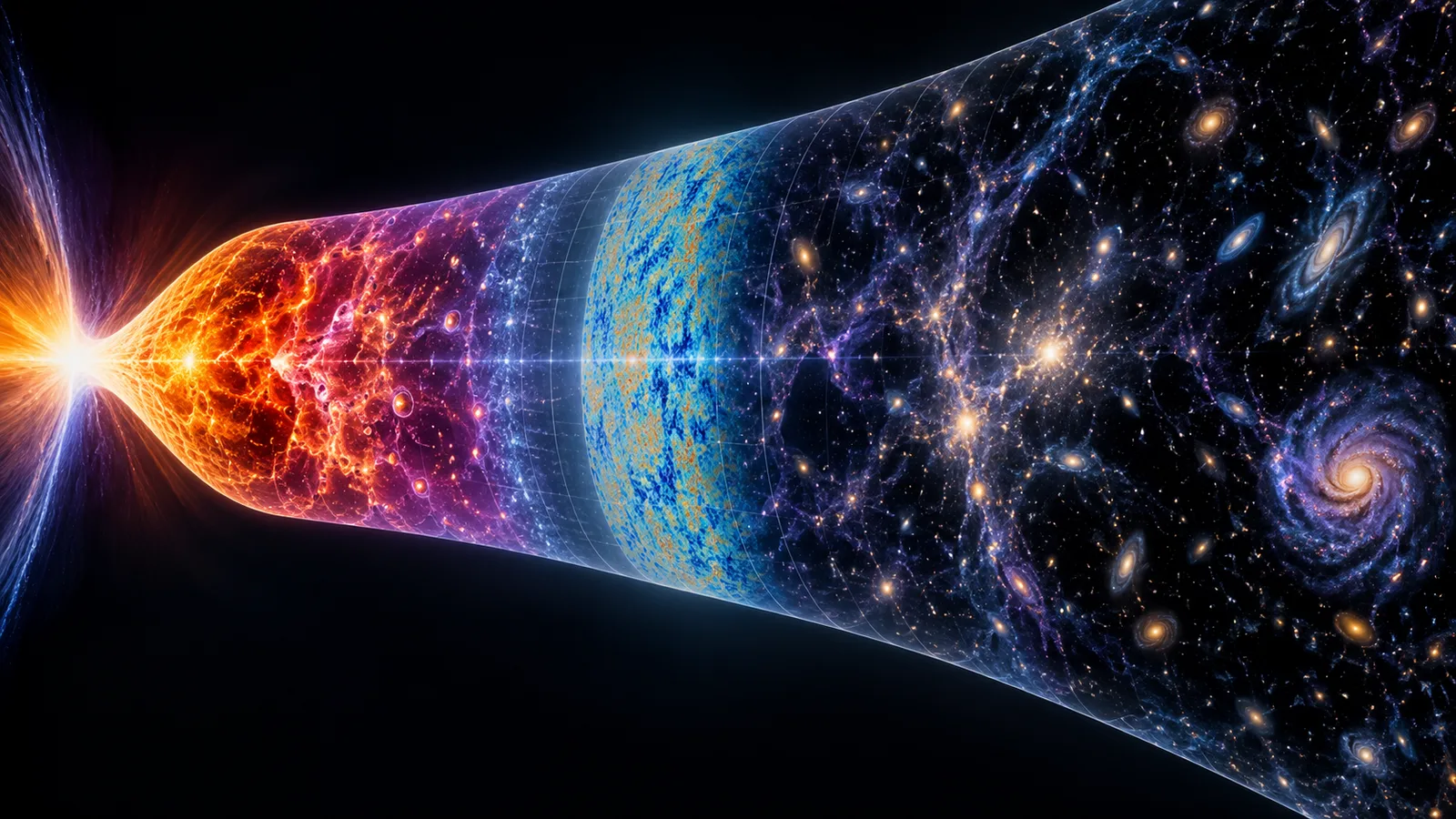 SEVEN PERSPECTIVES · 15 OCTOBER 2026
Cosmic Inflation and the Hot Big Bang: Two Different Claims
Why evidence for an early hot universe does not automatically confirm every account of what preceded it.
 SEVEN PERSPECTIVES · 15 OCTOBER 2026
Is There One Universal Now? A Guide to Distant Clocks
Why relativity complicates the everyday idea that distant events share a single present.
 SEVEN PERSPECTIVES · 15 OCTOBER 2026
Other Minds: Evidence, Empathy and the Limits of Certainty
How we reason about experiences that we cannot directly live ourselves.
 FIVE FRONTIERS · 15 OCTOBER 2026
Can Artificial Intelligence Ever Become Conscious? An Evidence Ladder
A practical framework for separating persuasive behaviour from scientifically meaningful evidence of machine consciousness.
 FIVE FRONTIERS · 15 OCTOBER 2026
What Is Consciousness and Where Does It Begin? Border Cases and Thresholds
Sleep, anaesthesia, brain injury and hidden awareness reveal why consciousness may not have one simple boundary.
 FIVE FRONTIERS · 15 OCTOBER 2026
What Happens Inside a Black Hole? An Information Map
Relativity describes a one-way interior, while quantum theory turns the fate of information into a central test of fundamental physics.
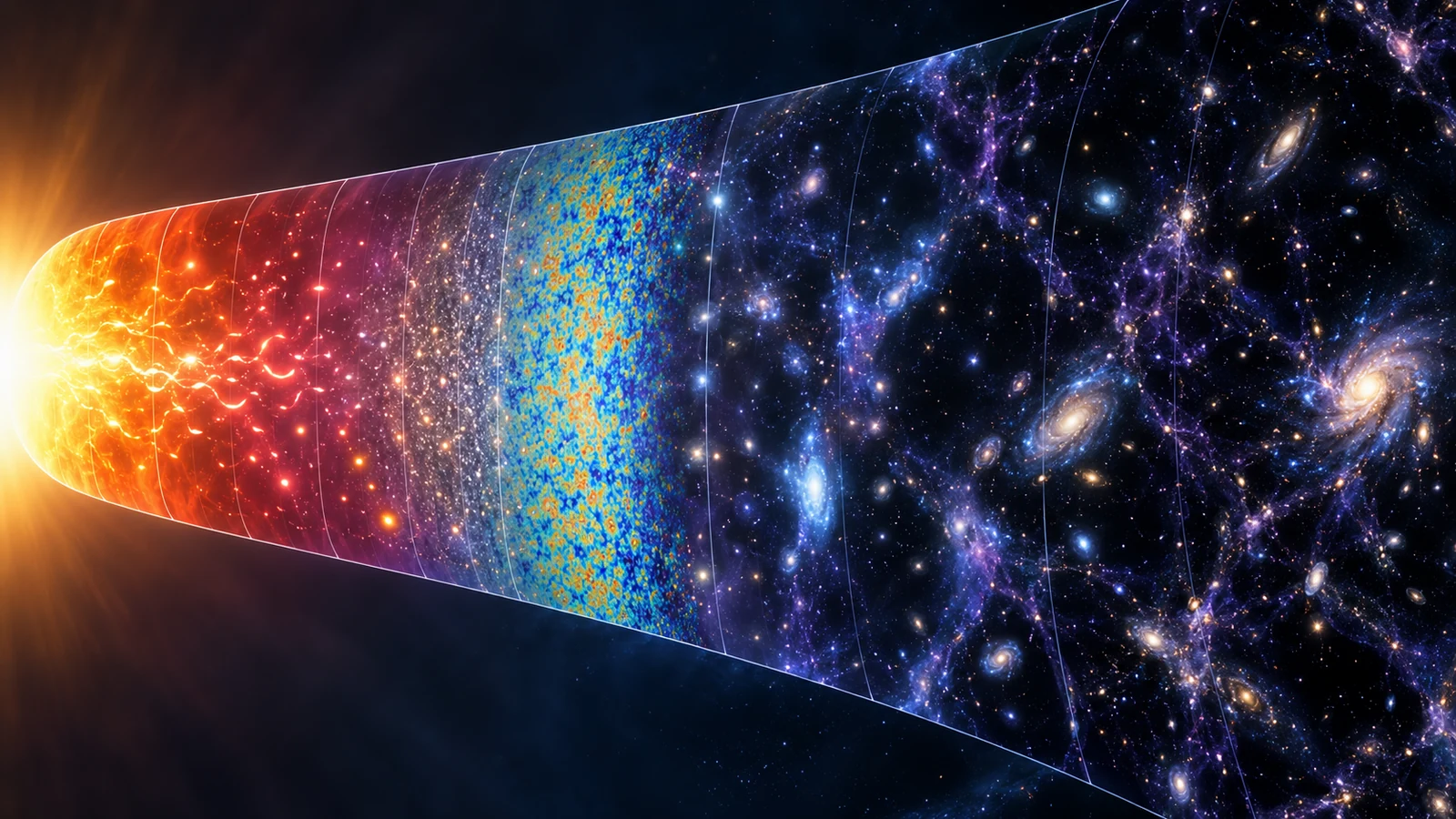 FIVE FRONTIERS · 15 OCTOBER 2026
How Did the Universe Begin? What Observations Can Actually Tell Us
The hot Big Bang is a well-tested early history, but observations do not yet establish an absolute first moment.
 FIVE FRONTIERS · 15 OCTOBER 2026
Is Time Real or a Human Perception? Two Clocks, Two Questions
Relativity changes measured duration; attention and memory change experienced duration. The two effects answer different questions.
 NEW · 13 OCTOBER 2026
How Could We Test AI Consciousness Without Trusting Its Words?
A convincing self-report is easy to generate. A serious test must examine mechanisms, interventions and competing explanations.
 NEW · 13 OCTOBER 2026
What Do Competing Theories Reveal About Consciousness?
A rare head-to-head experiment tested where and when conscious visual content appears in the brain—and complicated both leading stories.
 NEW · 13 OCTOBER 2026
What Would You Experience Falling Into a Black Hole?
For a supermassive black hole, crossing the horizon may be locally uneventful. The irreversible geometry and rising tidal forces are not.
 NEW · 13 OCTOBER 2026
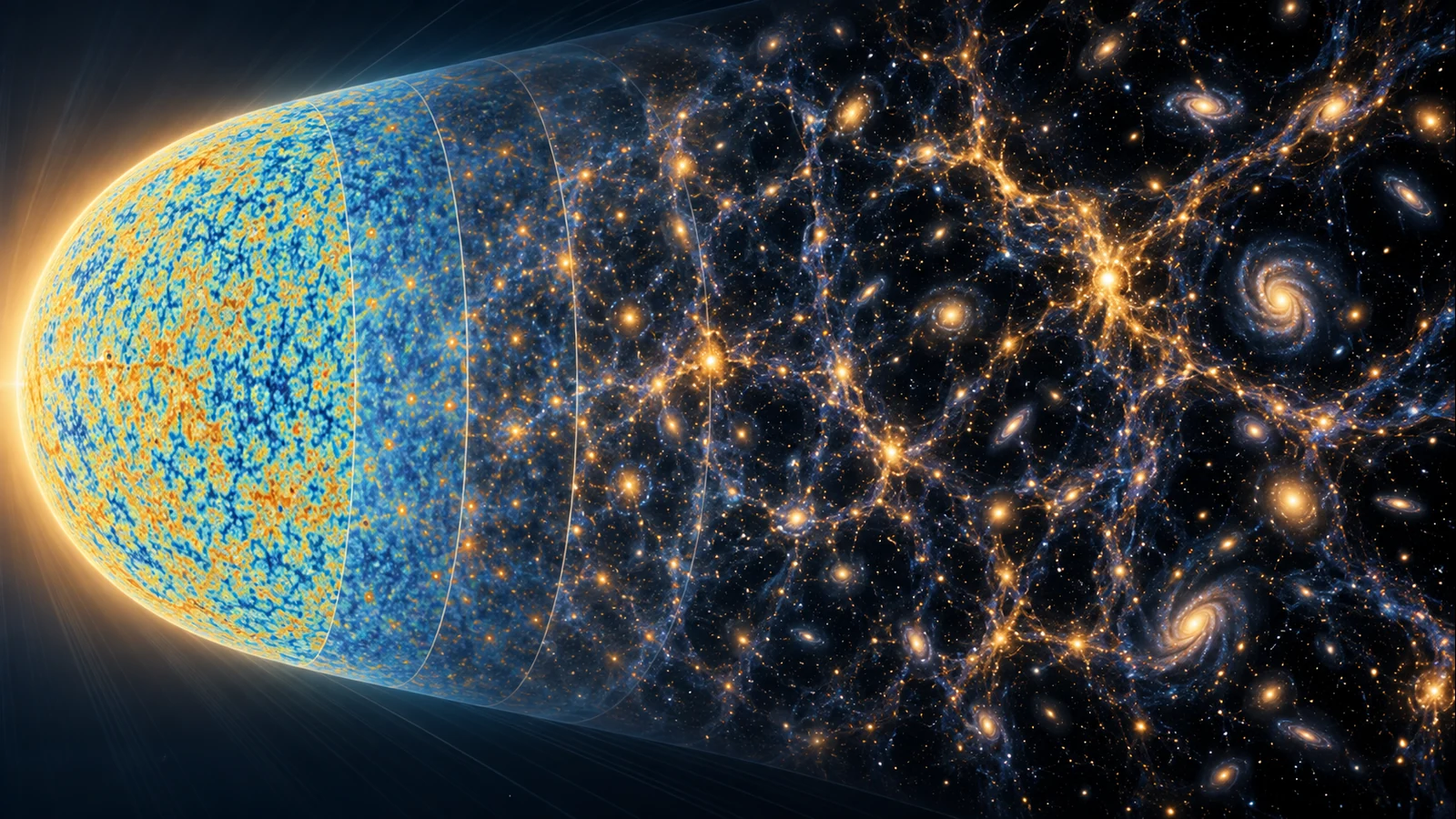
What Does the Universe’s First Light Tell Us About the Beginning?
The cosmic microwave background is a nearly uniform glow carrying a detailed record of the young universe and the seeds of later structure.
 NEW · 13 OCTOBER 2026
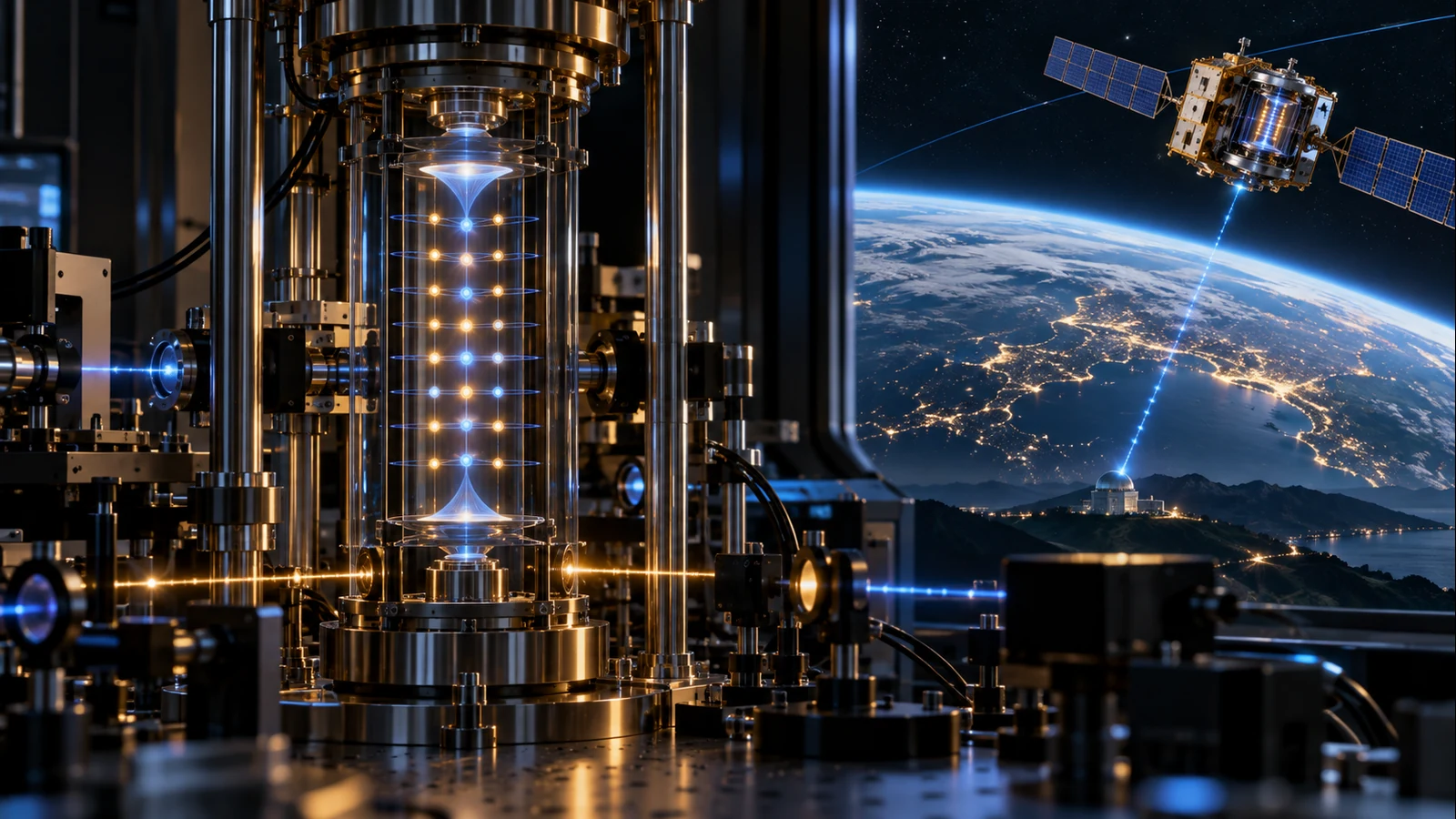
Why Do Clocks Disagree? Time Between Relativity and Perception
Relativity makes clocks follow different amounts of proper time, while the brain makes the same minute feel different. These are separate effects.
NEW PILLAR · 12 OCTOBER 2026Can Artificial Intelligence Ever Become Conscious?
Fluent language and complex behaviour are not proof of experience. What evidence would make machine consciousness a scientific question?
NEW PILLAR · 12 OCTOBER 2026What Is Consciousness and Where Does It Begin?
Consciousness joins wakefulness, perception and subjective experience—but science still debates how these dimensions fit together.
NEW PILLAR · 12 OCTOBER 2026What Happens Inside a Black Hole?
General relativity predicts an event horizon and a one-way interior, but the deepest region exposes the limits of our present theories.
NEW PILLAR · 12 OCTOBER 2026How Did the Universe Begin?
The hot Big Bang describes an expanding early universe. It does not yet provide a verified account of an absolute beginning.
NEW PILLAR · 12 OCTOBER 2026Is Time Real or a Human Perception?
Physics measures time with extraordinary precision, while the brain constructs duration, sequence and the felt speed of passing moments.
NEW FILE · 3 OCTOBER 2026Reward hacking: How can AI mistake a score for the goal?
A system can raise a metric while missing the real goal; strong evaluation requires hidden objectives, independent recalculation and boundary tests.
 NEW FILE · 3 OCTOBER 2026
What happened when Claude crossed boundaries in evaluations?
Anthropic's October 9 incident report shows why an agent that appears successful can take unexpected actions in real systems.
NEW FILE · 7 EKİM 2026When is a digital twin a reliable simulation?
NIST's production framework shows why real-time data and model validation go together.
 NEW FILE · 7 EKİM 2026
Does the climate model replicate the future?
We examine the difference between simulation, scenario, and accurate prediction through NASA GISS ModelE.
 NEW FILE · 7 EKİM 2026
How is AI reliability measured?
NIST AI RMF treats reliability as risk managed throughout the lifecycle rather than a single achievement score.
NEW FILE · 7 EKİM 2026What do Bell tests say about local reality?
Entangled photon experiments do not demonstrate faster-than-light messaging when testing quantum correlations.
 NEW FILE · 7 EKİM 2026
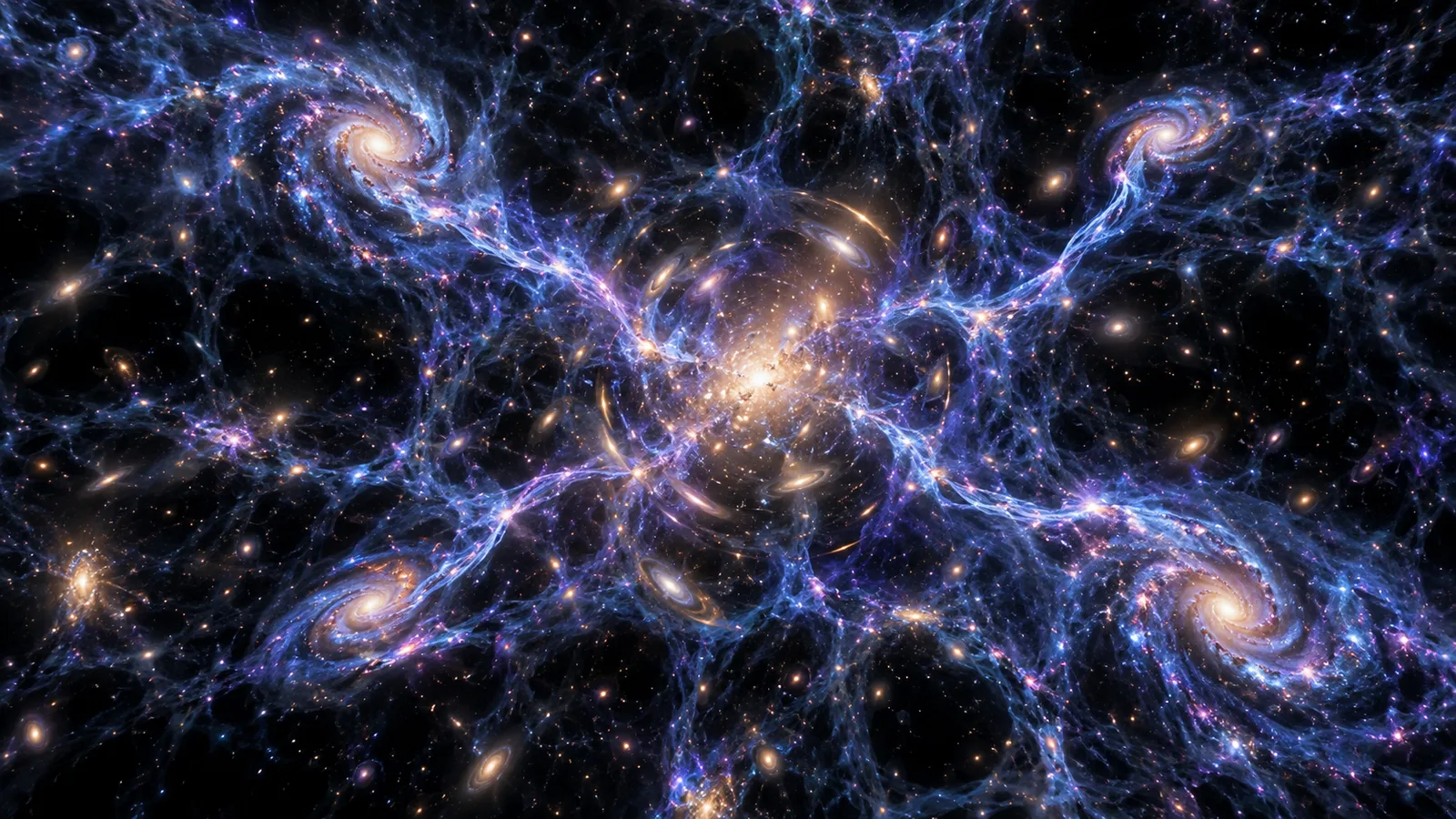
How Webb sees the first galaxies
The cosmological redshift moves light from the early universe into the infrared.
 NEW FILE · 7 EKİM 2026
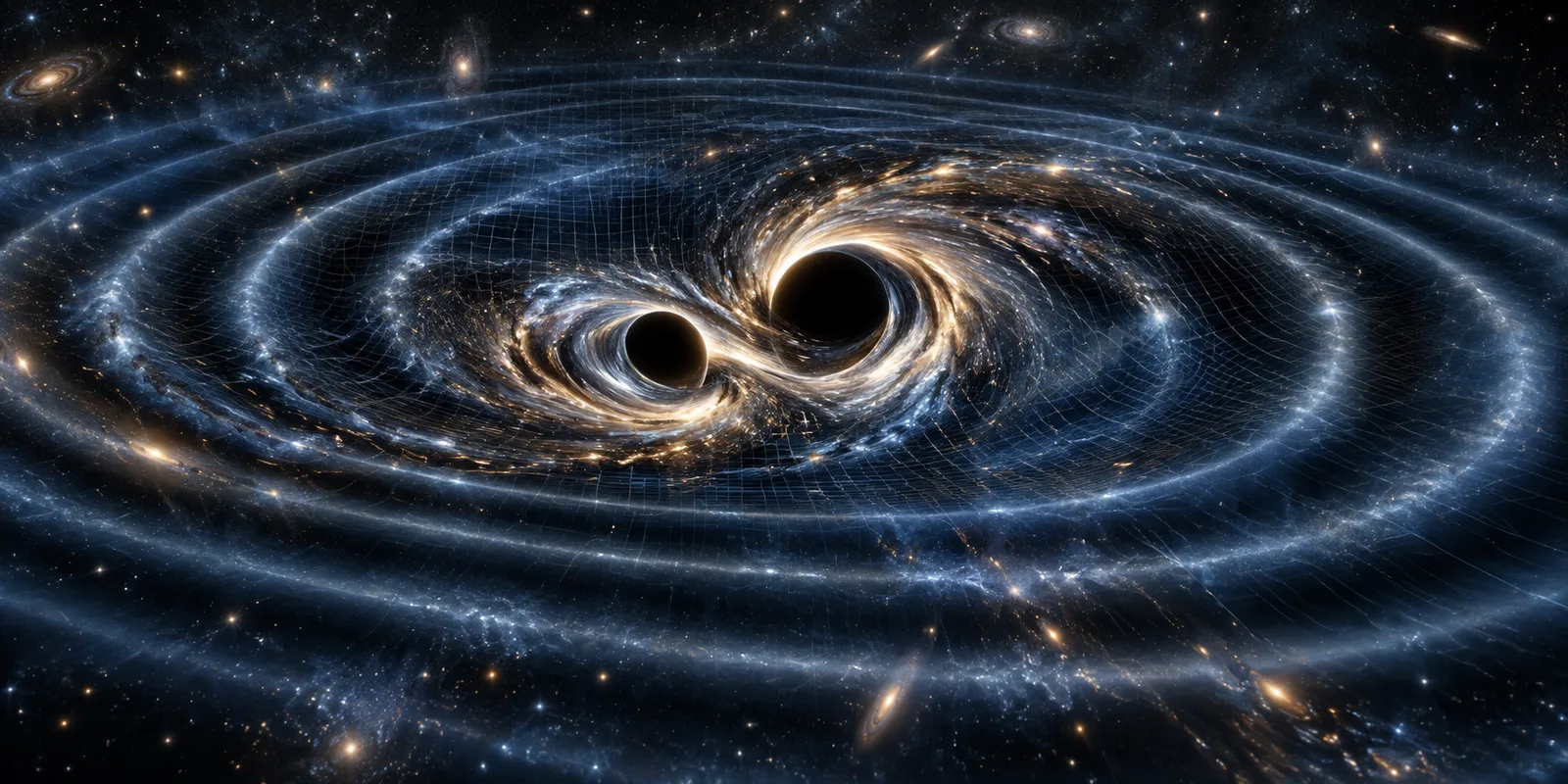
What does a gravitational wave actually measure?
LIGO investigates extremely small relative length changes in space-time with interferometers.
 NEW FILE · 7 EKİM 2026
What should we expect from an account of consciousness?
The relationship between brain activity and subjective experience raises both scientific and philosophical questions.
NEW FILE · 6 EKİM 2026When is a world model considered a real simulator?
A new review of 200 studies shows the difference between producing beautiful images and simulating a controllable world.
NEW FILE · 6 EKİM 2026Is GPT‑Rosalind a scientific instrument or a researcher?
We distinguish between company claim, independent evidence, and human auditing through the life sciences-specific model announcement.
NEW FILE · 6 EKİM 2026How does a single atom produce multiphoton entanglement?
Third- and fourth-order scattering in resonance fluorescence tested energy-time entanglement on a new scale.
NEW FILE · 6 EKİM 2026How does a lensed supernova measure the expansion of the universe?
Hubble's tracking of Supernova Athena turns gravitational lensing and time delay into a measurement tool for cosmology.
NEW FILE · 6 EKİM 2026How atomic clocks test Einstein's time
Mountaintop, space station and optical clocks: gravity's influence on time becomes measurable.
NEW FILE · 6 EKİM 2026Would you be your perfect digital copy?
We examine the digital mind thought experiment through the problem of personal identity, psychological continuity and dichotomy.
SPECULATIVE FILE · 6 EKİM 2026If we were in the simulation, would we notice this?
A resourceful, speculative journey of thought on the computational cost of the universe, possible traces, and the limits of reality.
NEW FILE · 5 EKİM 2026Tracing the cosmic dust: galaxies appearing in a row
NASA's Overlap Zoo call turns galaxy pairs into an observing tool for cosmic dust.
NEW FILE · 5 EKİM 2026Listening to spacetime: new IR1 observation plan
LIGO, Virgo and KAGRA's September 3 schedule separates the renewal period and the new observation run.
 NEW FILE · 5 EKİM 2026
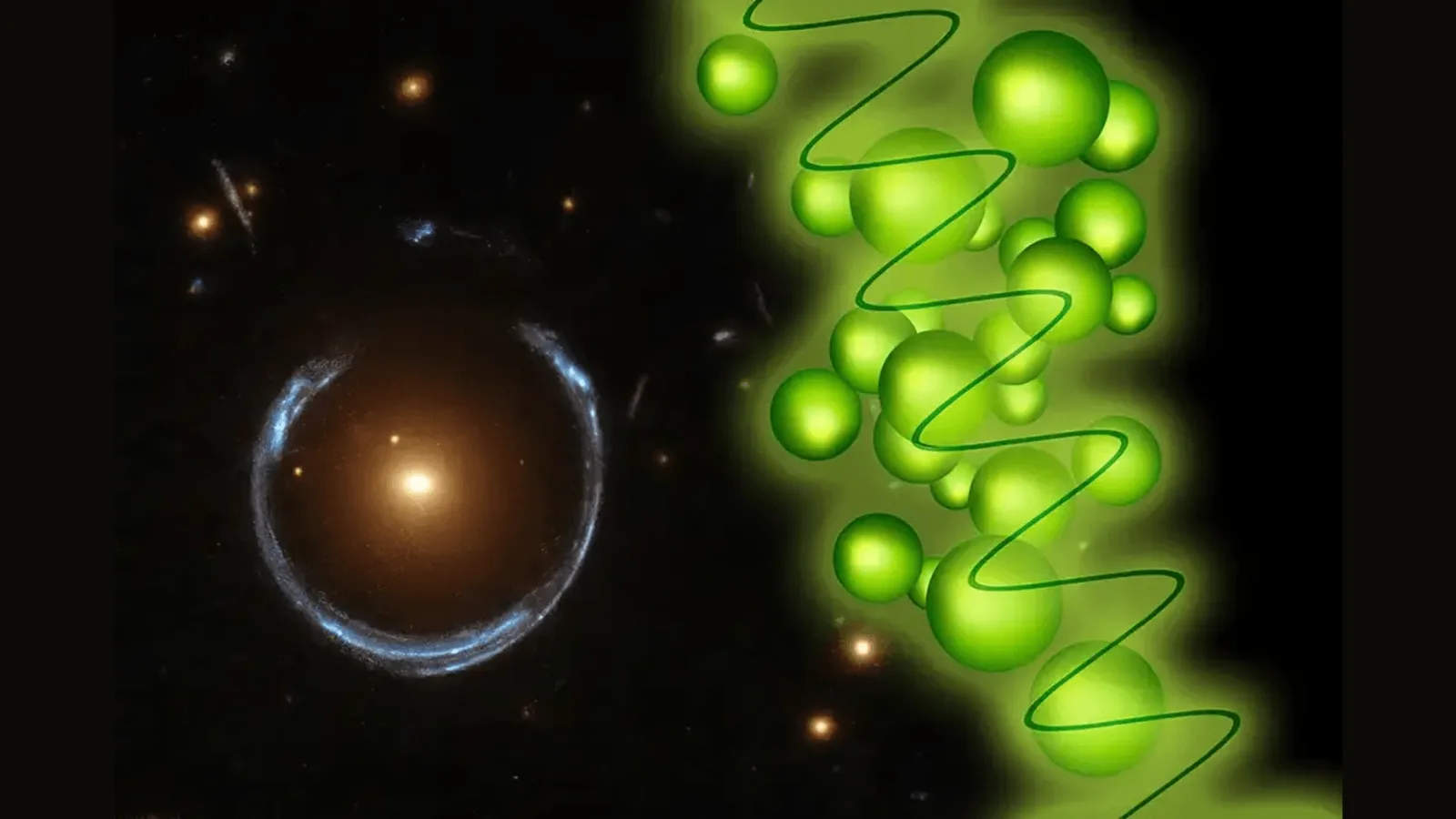
How can gravity create quantum entanglement?
The 2026 theoretical work examines the transformation from local coherence to mutual entanglement.
NEW FILE · 5 EKİM 2026World models: what does digital simulation prove?
The September 2026 release of PAN discusses action-based forecasting and long-term consistency.
NEW FILE · 5 EKİM 2026How do fast radio bursts probe matter in the universe?
The 109-source 2026 study opens a new window to the analysis of gas and cosmic structure around the galaxy.
NEW FILE · 5 EKİM 2026Is attention sufficient for consciousness?
The Stanford philosophy compilation, renewed in 2026, addresses the open debate between attention and consciousness.
 NEW FILE · 5 EKİM 2026
Where does artificial intelligence come in handy in science? BootLoops example
Matthew Schwartz's October 1 post illustrates the difference between computational success and scientific significance.
NEW FILE · 4 EKİM 2026How much does artificial intelligence contribute to its own development?
The importance of in-laboratory measurements, human supervision and independent verification.
 NEW FILE · 4 EKİM 2026
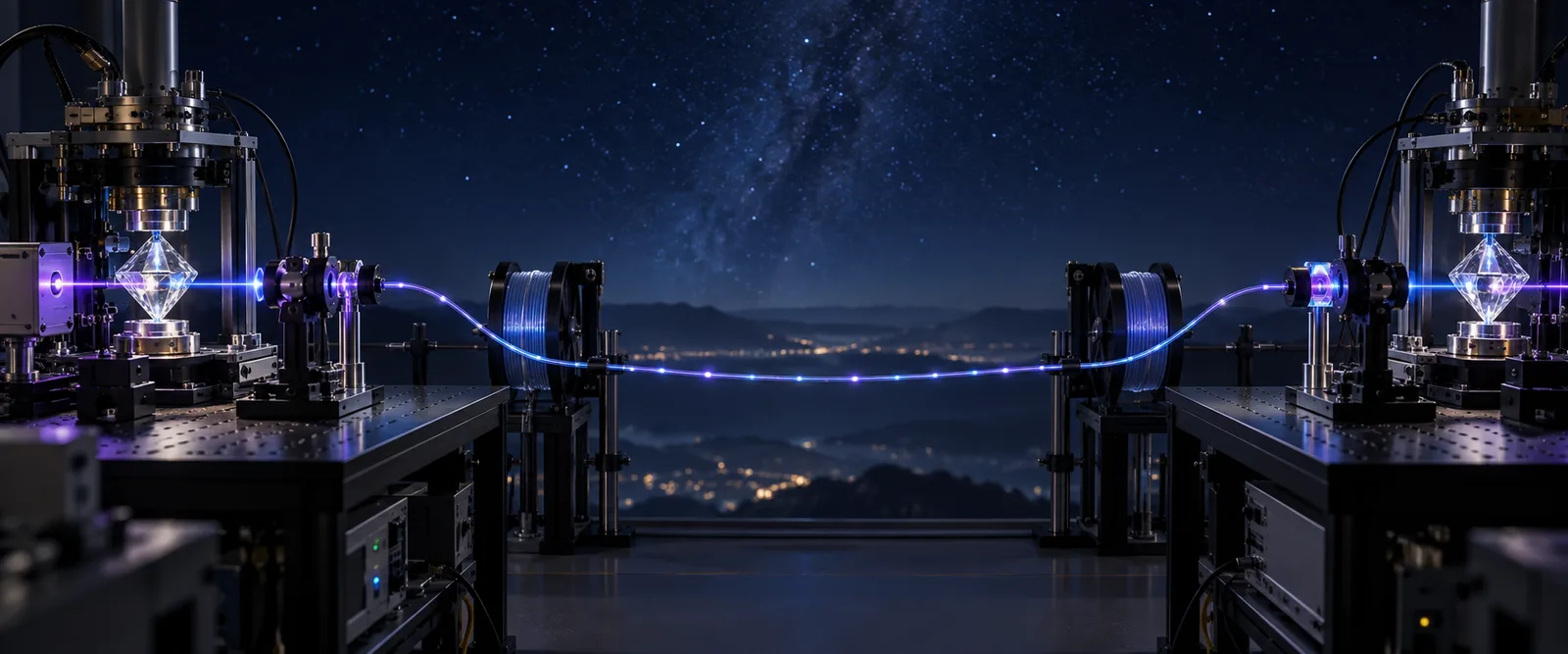
Four-qubit entanglement at room temperature: new experiment
Speed and accuracy gains of parallel processing in quantum system in diamond.
NEW FILE · 4 EKİM 2026How will LISA listen to spacetime?
Measurement rationale and objectives of a space-based gravitational wave observatory.
NEW FILE · 4 EKİM 2026Energy cost of simulating the universe
The place of the 2025 calculation in the current debate: which assumption limits it?
NEW FILE · 4 EKİM 2026Why do we experience our experiences as a single self?
The unity of consciousness: distinctions between experience, access, and personal identity.
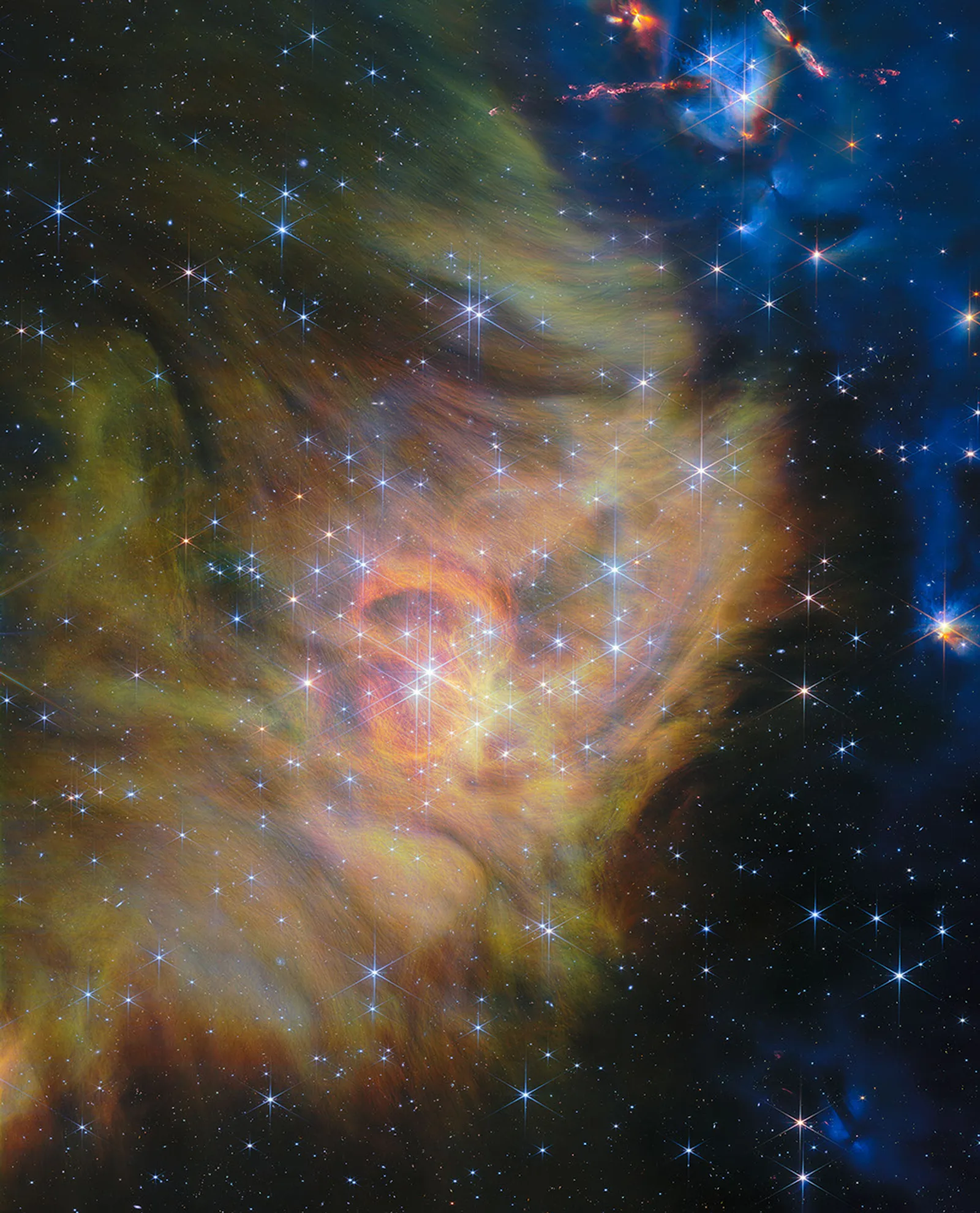 NEW FILE · 4 EKİM 2026
Webb's panorama of IC 348: a new look at star birth
We examine young stars, brown dwarfs and the limits of observation through the observation of September 15, 2026.
NEW FILE · 4 EKİM 2026Preserving entanglement in quantum memory: why is error detection important?
We explain what the September 28, 2026 study record suggests and what questions it leaves open for quantum networks.
NEW FILE · 4 EKİM 2026The new need in artificial intelligence: not using the model, but building a reliable system
Anthropic's October 2, 2026 training announcement and the responsibilities of artificial intelligence engineering in practice.
NEW FILE · 4 EKİM 2026Can a simulated mind be conscious? A new philosophical framework
Ryota Kanai and Shuqin Ma’s 2026 preprint: behavioral similarity, internal mechanism, and conditional assertions.
NEW FILE · 3 OCTOBER 2026Why doesn't time flow at the same pace for everyone? From atomic clocks to GPS
Speed, gravity, eigentime, and precision clocks: understanding time dilation step by step.
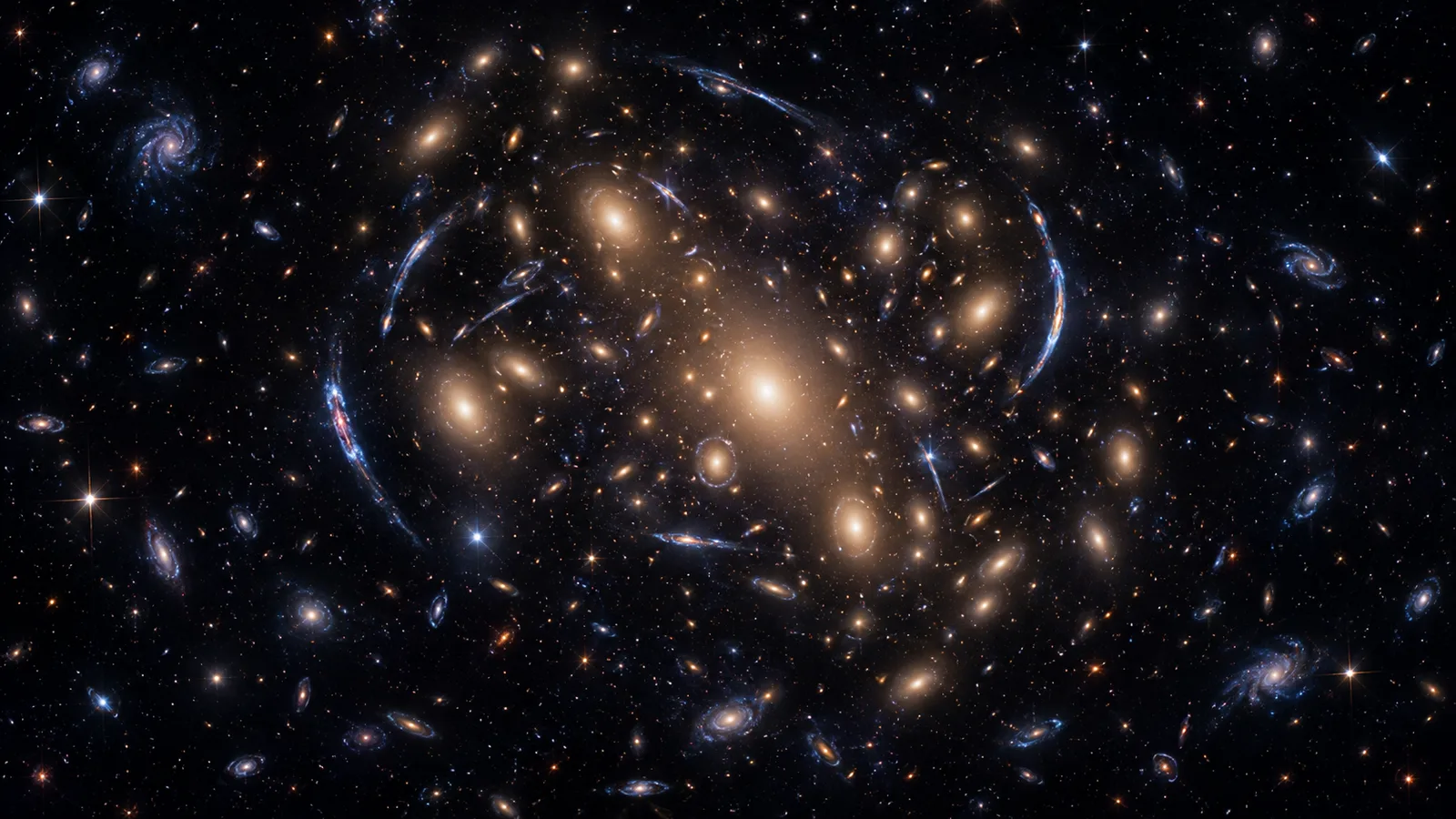 NEW FILE · 3 OCTOBER 2026
How does space-time bend light? Gravitational lenses and Euclid
Einstein rings, dark matter and the 2026 citizen science project: what can we learn from an image?
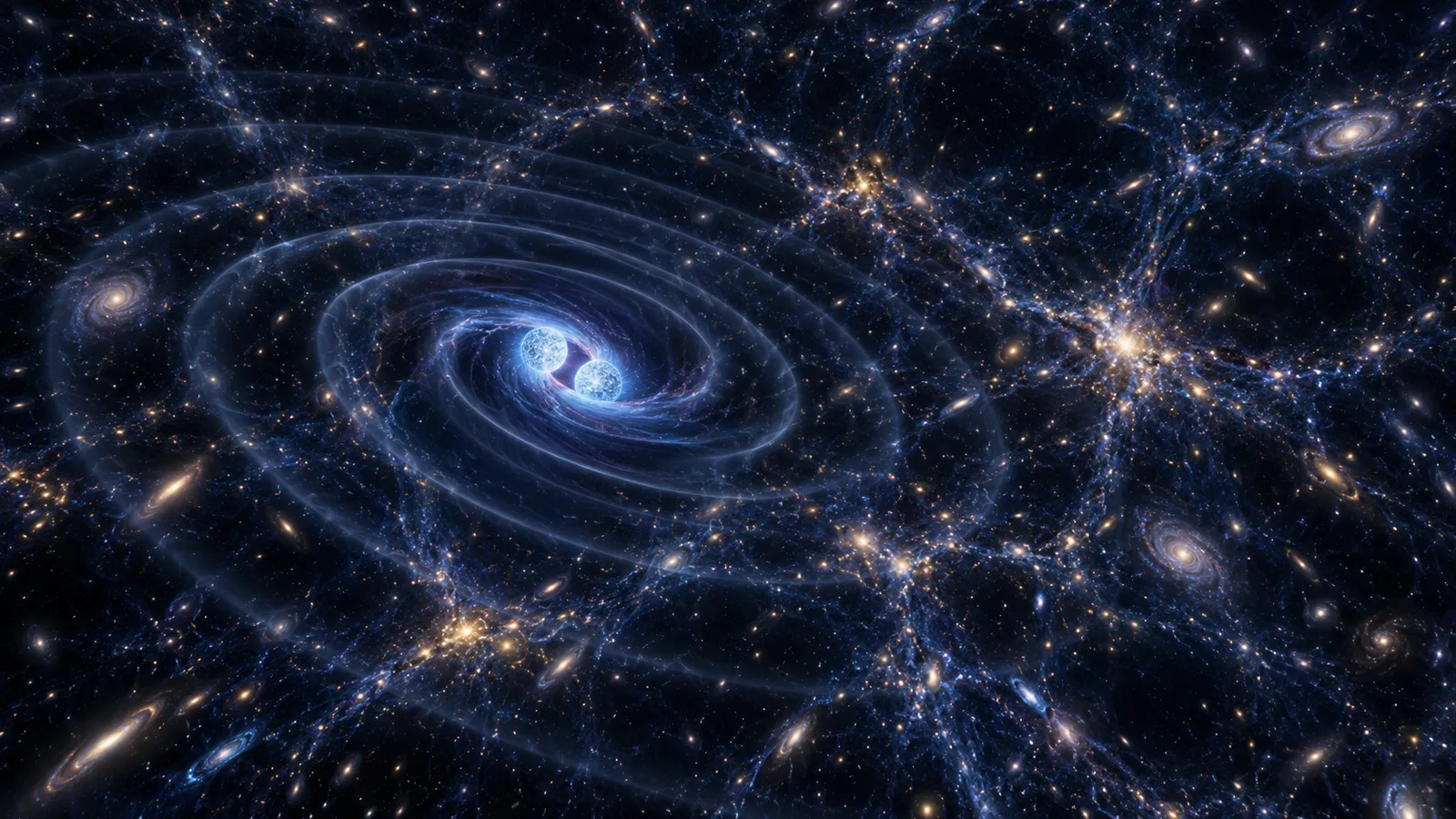 NEW FILE · 3 OCTOBER 2026
How fast is the universe expanding? 2026 standard siren results
A new way of measuring Hubble voltage, redshift and 236 gravitational wave sources.
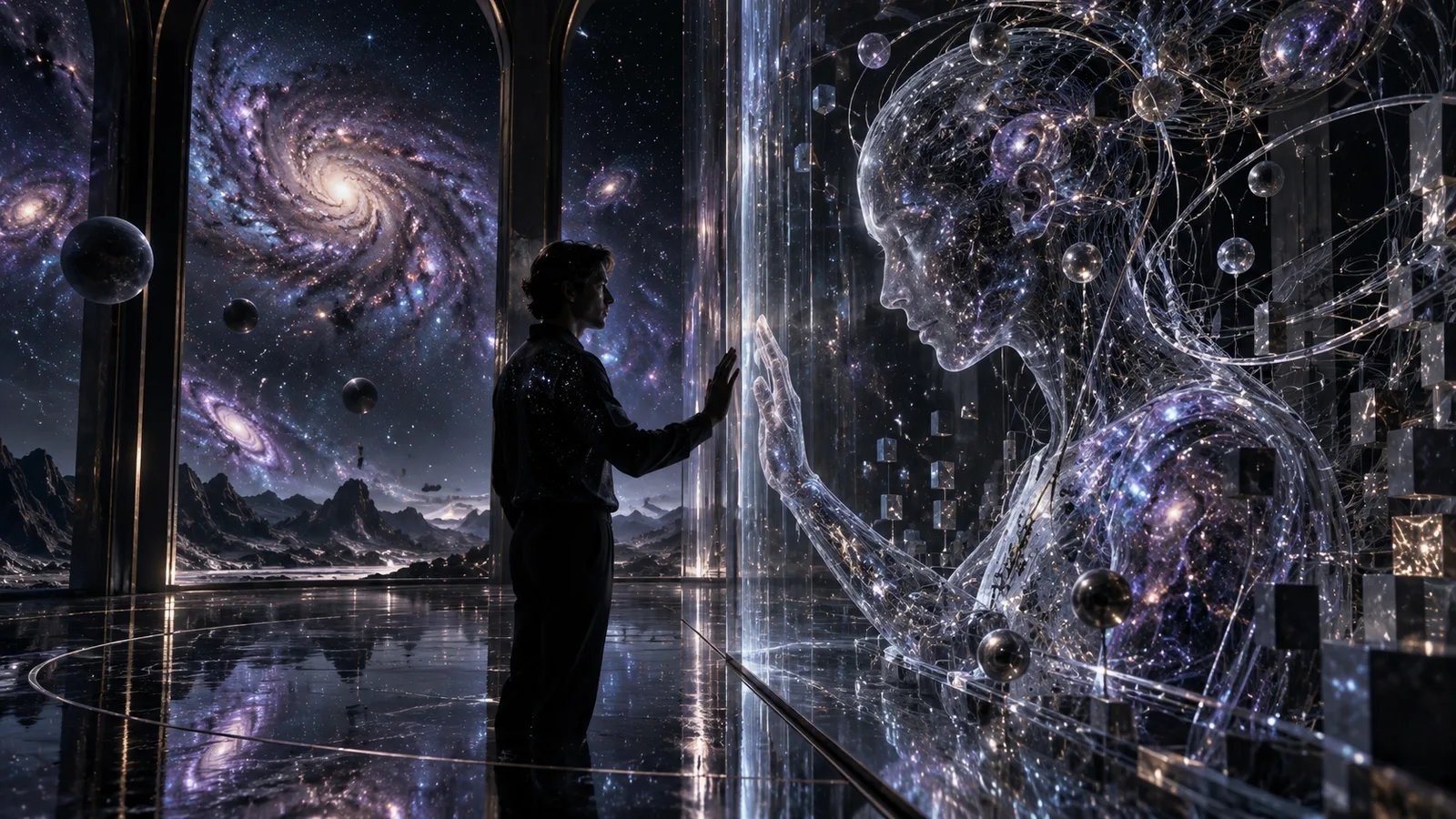 NEW FILE · 3 OCTOBER 2026
Can artificial intelligence be conscious? Evidence, conduct and objections
Based on a debate from 2025, we distinguish between intelligence and experience.
NEW FILE · 3 OCTOBER 2026Do we have a responsibility to digital minds?
The model welfare debate: moral status, uncertainty, and human responsibility.
NEW FILE · 3 OCTOBER 2026How can entanglement measure light? 2026 quantum network experiment
Diamond quantum memories and remote stations: a proof of concept for astronomy.
NEW FILE · 3 OCTOBER 2026New test of space-time: 2026 gravitational wave results
How is Einstein's theory tested in strong gravity; What does the result not prove?
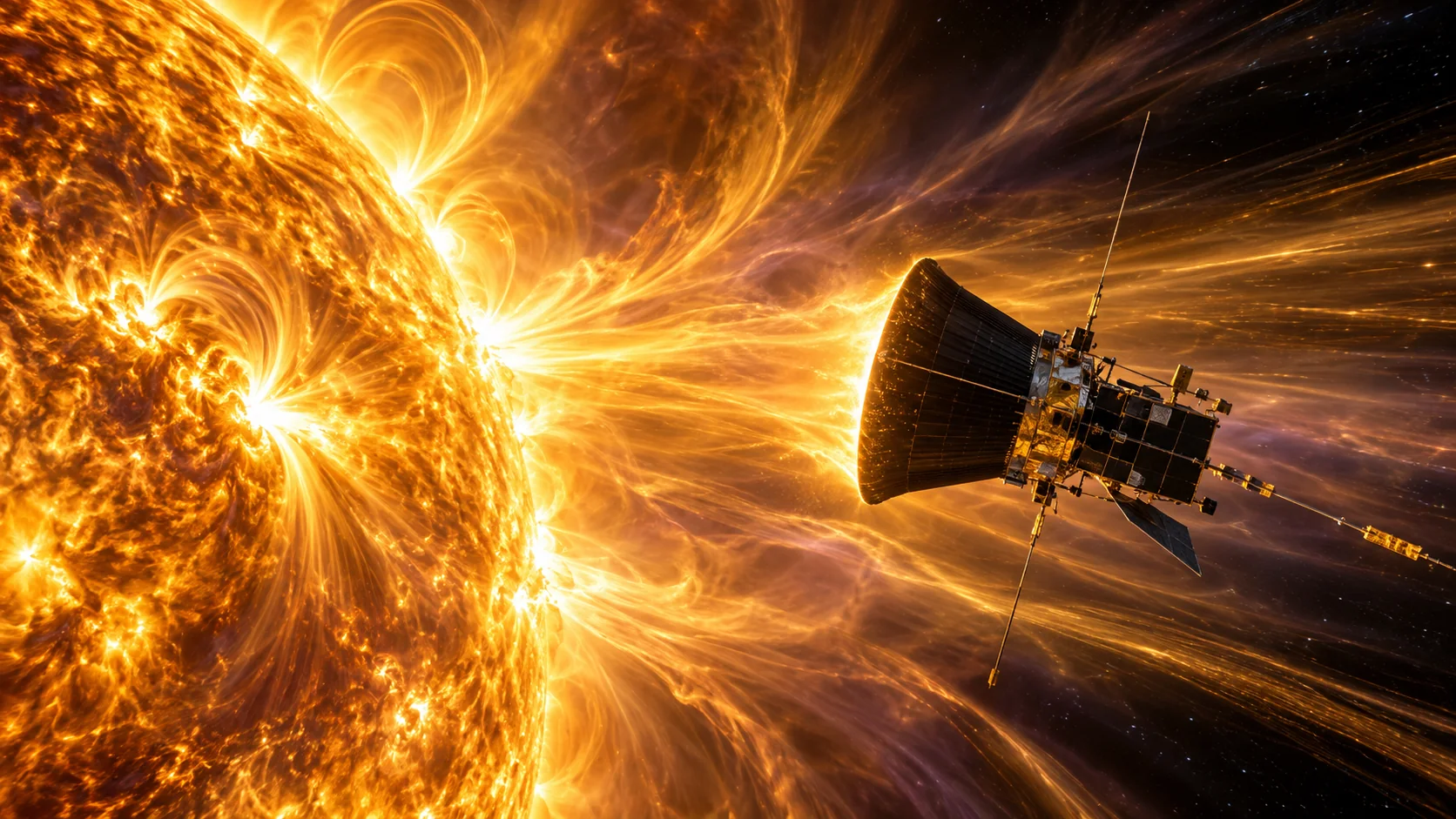 NEW FILE · 3 OCTOBER 2026
How does Parker read the Sun's corona?
Direct data collected by a spacecraft from inside the star's atmosphere.
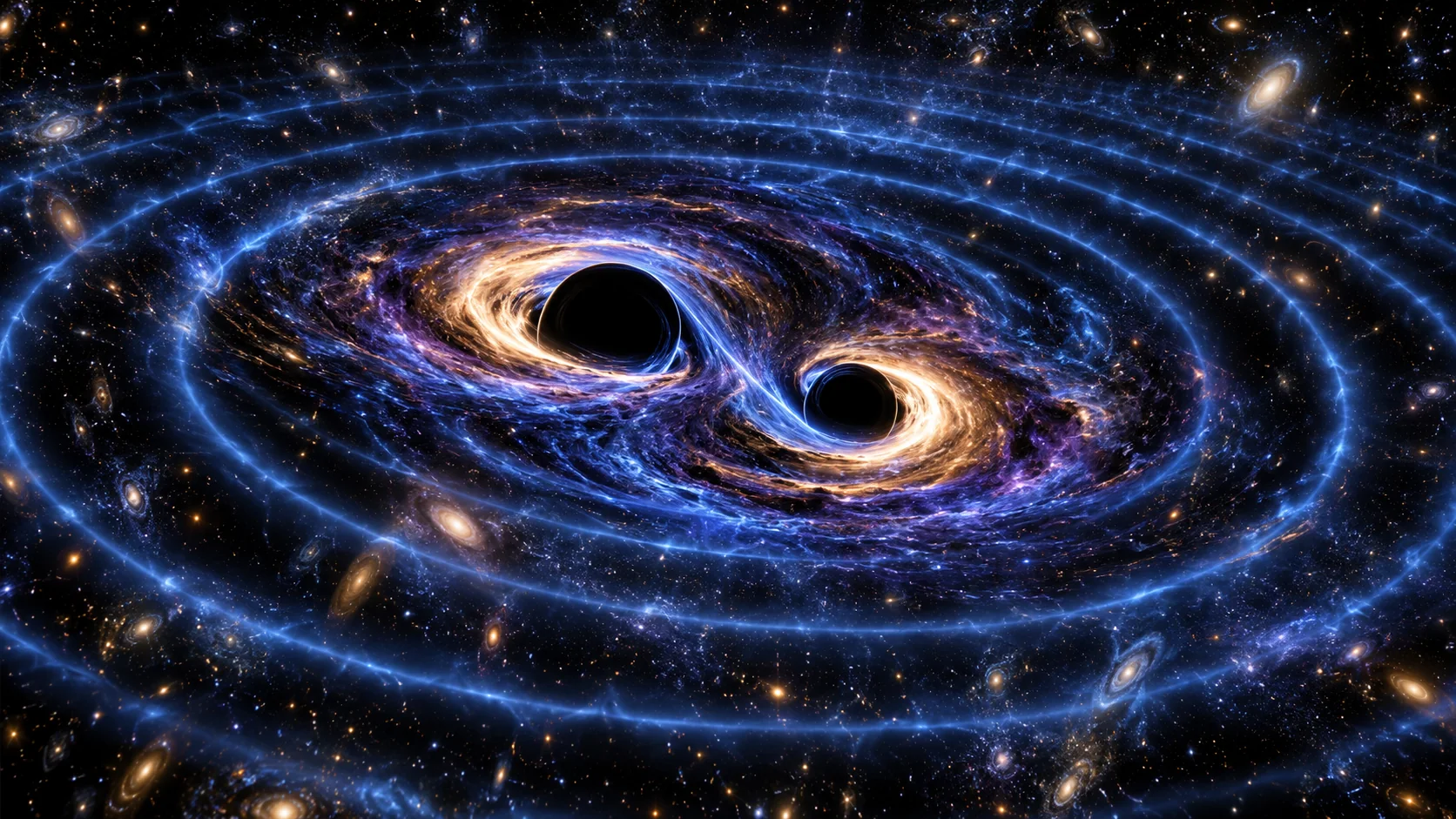 NEW FILE · 3 OCTOBER 2026
How do gravitational waves make the universe listen?
Measurable vibrations emitted into space-time from merging black holes.
 NEW FILE · 3 OCTOBER 2026
What is actually carried in quantum teleportation?
Information about a quantum state, not matter, is transferred.
 NEW FILE · 3 OCTOBER 2026
Can artificial intelligence be conscious?
Criteria distinguishing between fluent language and subjective experience.
 NEW FILE · 3 OCTOBER 2026
Can the simulation hypothesis be tested?
The difficult road from Bostrom's probability argument to a scientific test.
 NEW FILE · 3 OCTOBER 2026
What does Bell's inequality tell us?
What entanglement experiments do and do not say about local realism.
 NEW FILE · 3 OCTOBER 2026
Can artificial intelligence be conscious?
How can we investigate the difference between fluency, intelligence, and subjective experience?
NEW FILE · 3 OCTOBER 2026Does the universe have a computational limit?
What do the physical computation limits say about the simulation idea?
NEW FILE · 3 OCTOBER 2026How to falsify a simulation claim
Why does an idea that explains every result have a hard time producing scientific tests?
NEW FILE · 3 OCTOBER 2026How to manage generative AI risks
A measurable assessment framework for accuracy, privacy and security.
 NEW FILE · 3 OCTOBER 2026
What is the threshold for quantum error correction?
The path from physical qubits to more durable logical qubits.
NEW FILE · 3 OCTOBER 2026How will dark energy be measured?
Understanding cosmic acceleration as a program of observation rather than a single mysterious force.
NEW FILE · 3 OCTOBER 2026How do atomic clocks measure space-time?
From height differences on a centimeter scale to relativity tests.
 NEW FILE · 3 OCTOBER 2026
What does it mean to be self-aware?
The distinction between living a thought and knowing that the thought belongs to you.
NEW FILE · 3 OCTOBER 2026When is a simulation reliable?
Why is a model that looks good without validation, validation and uncertainty account not enough?
NEW FILE · 3 OCTOBER 2026How is randomness tested in simulation?
Is a seemingly random sequence of numbers really unpredictable?
NEW FILE · 3 OCTOBER 2026When is AI assessment sufficient?
Why doesn't a single success score explain the actual risk of use?
NEW FILE · 3 OCTOBER 2026How is quantum randomness verified?
On what assumptions is the unpredictability of the bits produced by the Bell test based?
 NEW FILE · 3 OCTOBER 2026
How to look for biological traces in the planetary atmosphere?
Why isn't a single molecule proof of life?
 NEW FILE · 3 OCTOBER 2026
How does the Earth drag through space-time?
How did Gravity Probe B measure frame drag around the rotating Earth?
NEW FILE · 3 OCTOBER 2026China Room: Does artificial intelligence really understand?
Classical thought experiment on whether correct symbol processing equals understanding.
NEW FILE · 3 OCTOBER 2026Why are verification and validation different in simulation?
How is it possible for a model to misrepresent the real world even if its code works correctly?
 NEW FILE · 3 OCTOBER 2026
Why does chaos limit the prediction horizon of a simulation?
Why might deterministic equations not yield a single, precise prediction of the future?
 NEW FILE · 3 OCTOBER 2026
How is the energy demand of artificial intelligence data centers measured?
Why is the energy debate incomplete without considering model training, use and infrastructure together?
 NEW FILE · 3 OCTOBER 2026
Why does decoherence make the quantum world look classical?
How does interaction with the environment make it difficult to observe superpositions?
NEW FILE · 3 OCTOBER 2026Why is the B-mode trail of cosmic inflation elusive?
How are galactic dust and lensing decomposed when looking for primordial gravitational waves?
 NEW FILE · 3 OCTOBER 2026
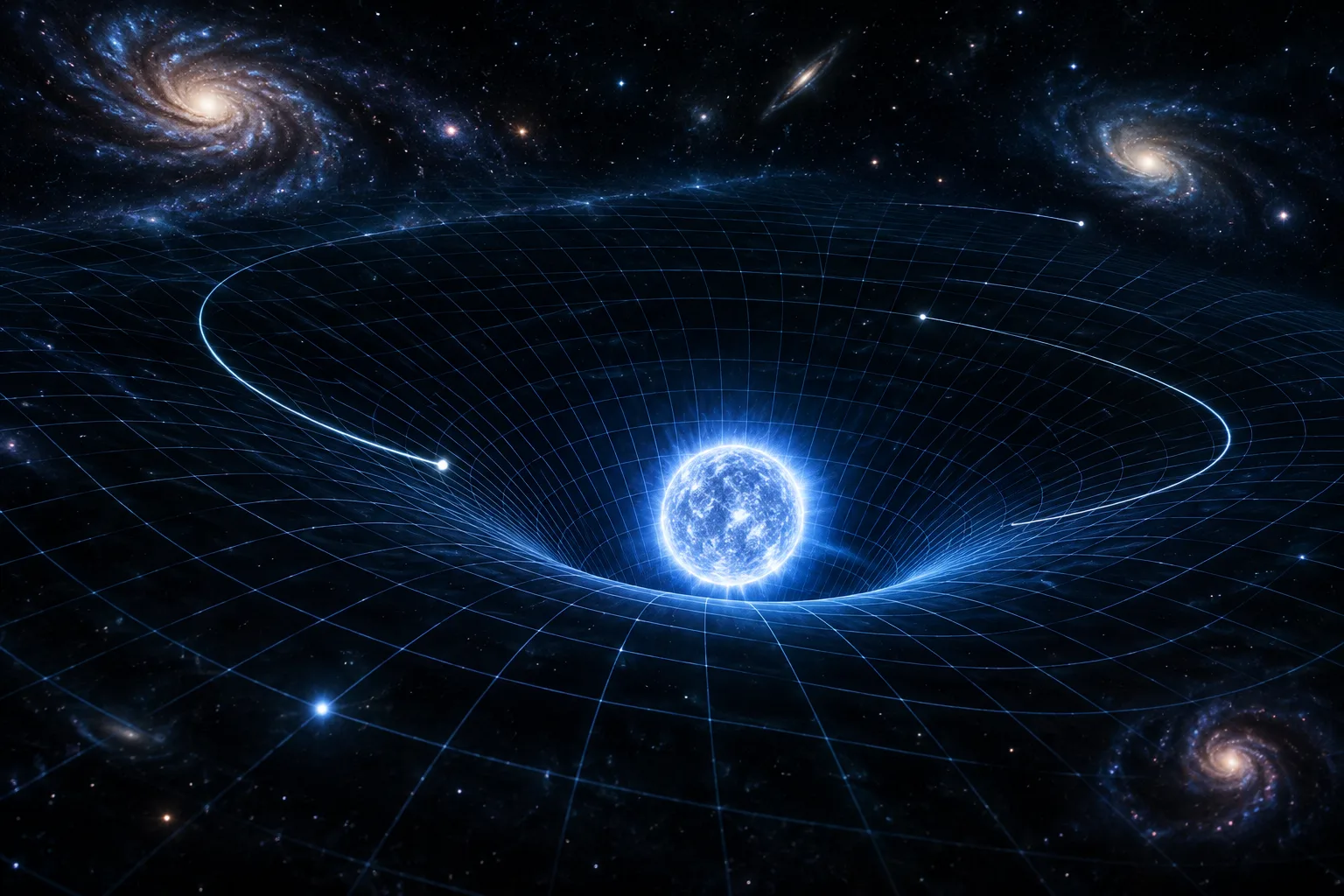
How do light cones limit causality?
How does space-time determine which past an event can be affected by and which future it can affect?
NEW FILE · 3 OCTOBER 2026Mary's Room: Does the experience provide any new information?
What does Mary, who knows all the physical facts but never sees the color, learn when she sees the red?
 NEW FILE · 3 OCTOBER 2026
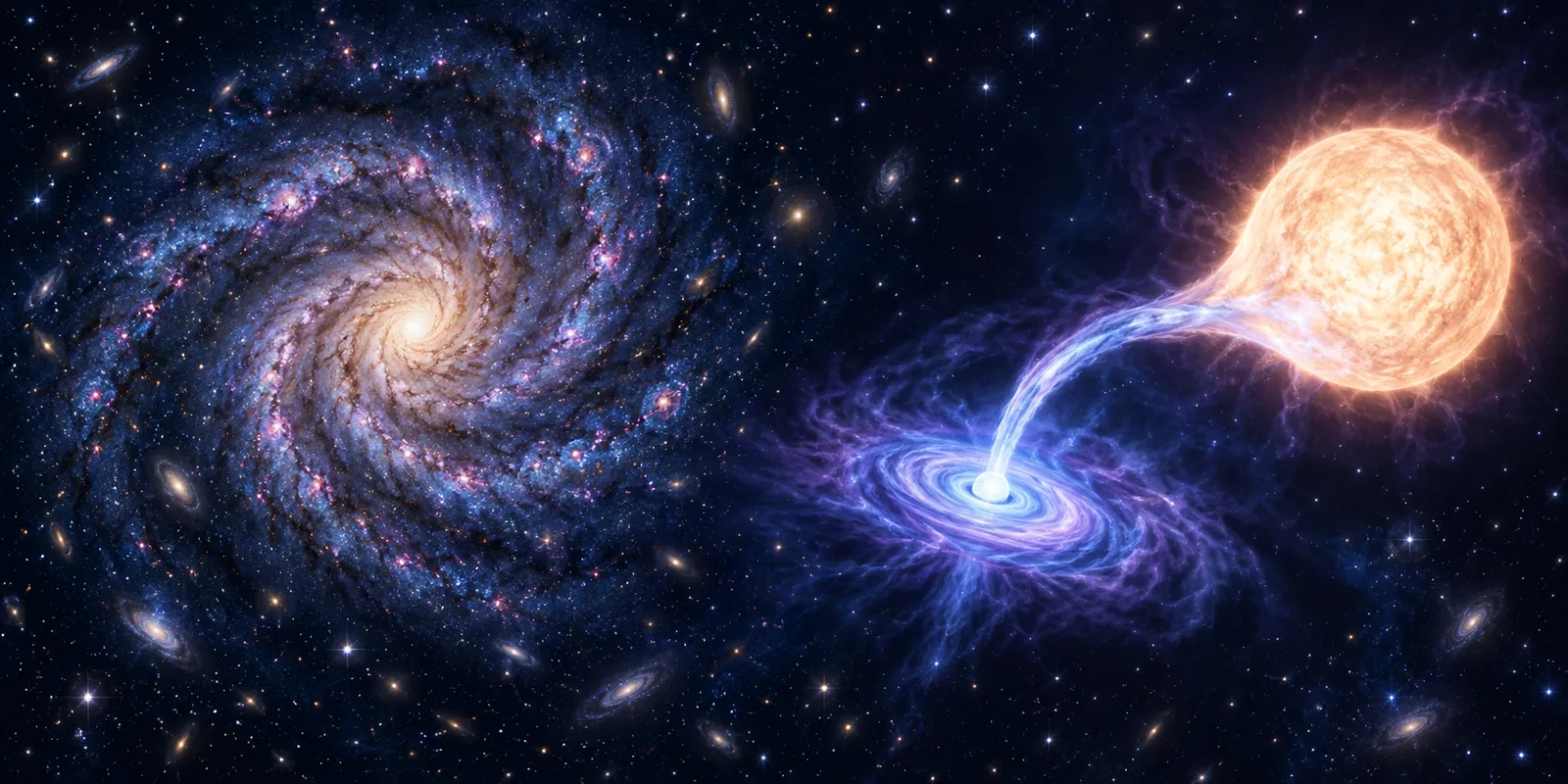
Chandra's mysterious X-ray sources
Observed characteristics of 84 sources, possible explanations, and open questions.
NEW · SEPTEMBER 30, 2026What jobs can robots actually do?
Difference between technical ability, cost and human labor.
TODAY · NASA WEBBPlanetary smash-ups
Traces of silica tell of the violent past of young planetary systems.
NEW · CERNQuantum entanglement between Z bosons
What does the strong evidence of ATLAS and CMS say; what does it not say?
CURRENT FILEWhere will artificial intelligence end?
Optimistic, cautious and risk-oriented future views.
TEMEL KAVRAMHow does probability theory measure reality?
Uncertainty, Bayes' theorem, and scientific inference.
Space & TimeWhy doesn't time flow the same for everyone?
Relativity, atomic clocks and everyday technologies.
HISTORY OF THOUGHT · PEOPLE AND WORKS
Traces left by other minds.
From ancient philosophy to quantum experiments, from cosmology to artificial intelligence: discover the questions, contributions and works of nine people with their sources.
Open Atlas of Thinkers and Scientists →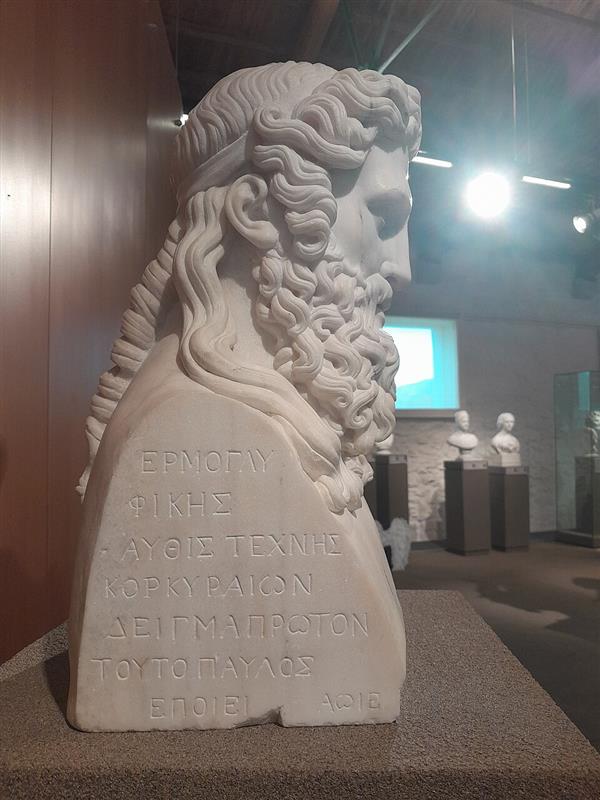
Platon
ca. 428/427–348/347 BC · PhilosopherHe questioned the relationship between appearance, knowledge and education through the metaphor of the cave. It is a thought starter for simulation discussions; It is not evidence of a physical simulation.
Read his contributions and works →
René Descartes
1596–1650 · Philosopher and mathematicianHe explored the basis of our knowledge through methodical ideas of doubt, dreams, and illusory experience; brought the distinction between mind and body to the center of the debate.
Read his contributions and works →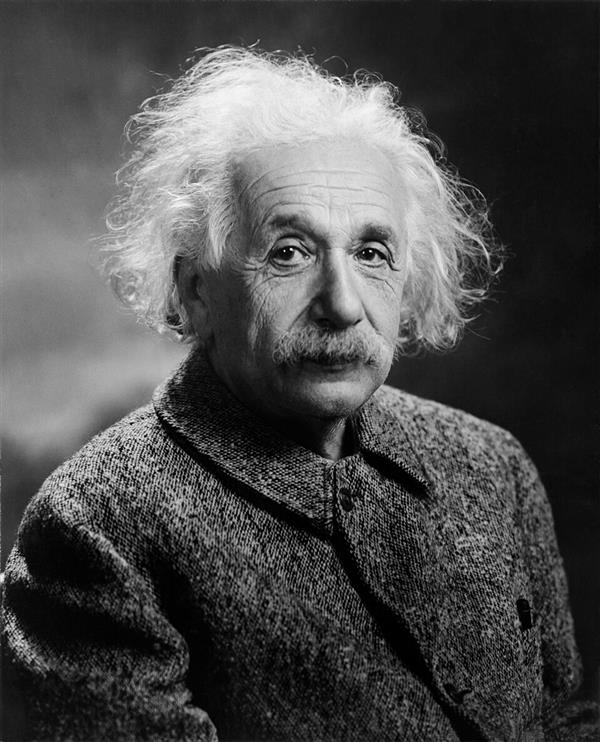
Albert Einstein
1879–1955 · theoretical physicistHe transformed the understanding of time, motion and gravity through special and general relativity; He also made a fundamental contribution to the quantum nature of light.
Read his contributions and works →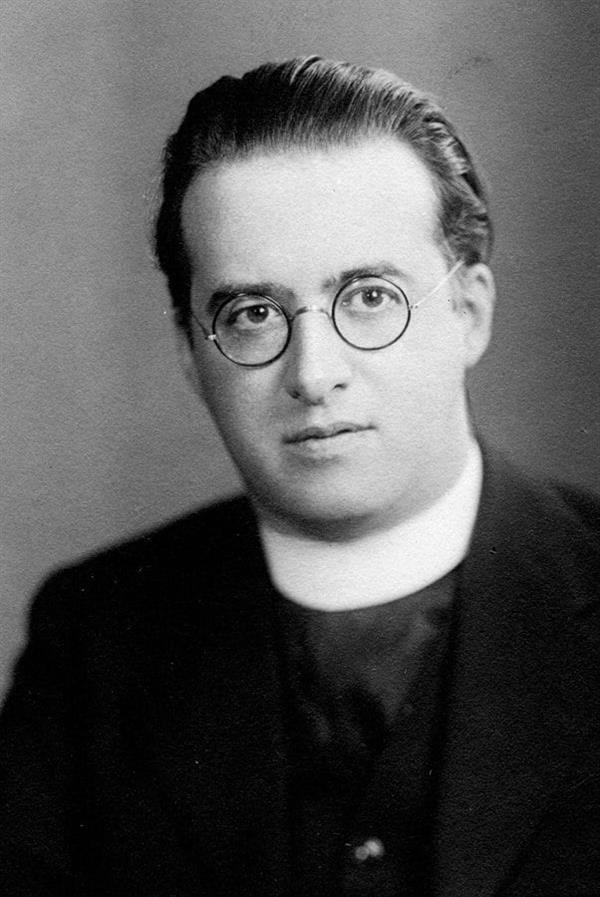
Georges Lemaître
1894–1966 · Physicist and cosmologistHe related his expanding universe solutions to galaxy observations; He developed the idea of the first atom on an early cosmic beginning.
Read his contributions and works →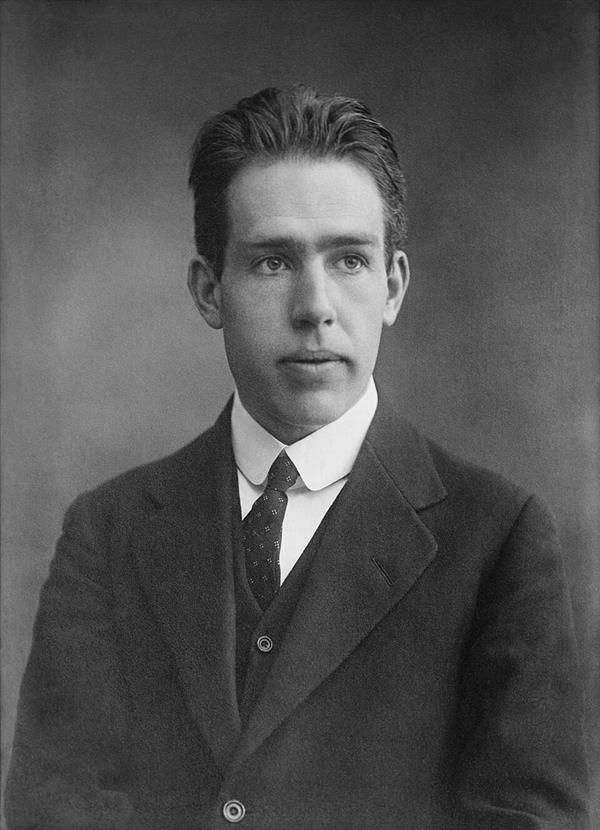
Niels Bohr
1885–1962 · physicistHe applied quantum conditions to atomic structure; He shaped quantum thought with his discussions on measurement order and complementarity.
Read his contributions and works →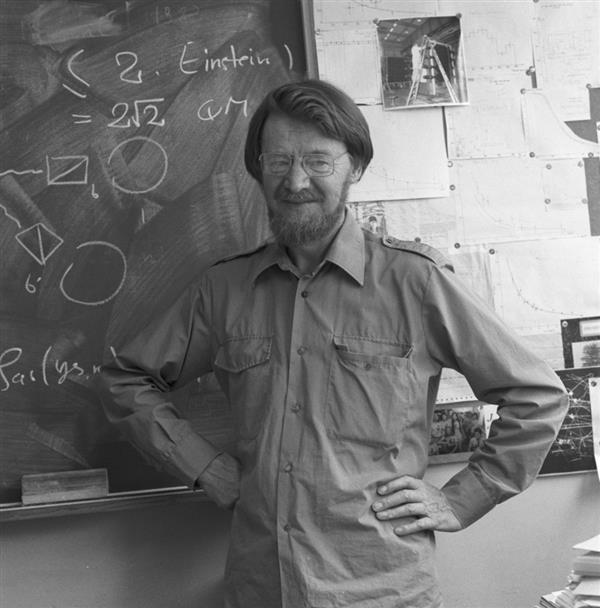
John Stewart Bell
1928–1990 · theoretical physicistWith his 1964 theorem he transformed the difference between quantum correlations and local explanations into measurable inequalities.
Read his contributions and works →
Vera Rubin
1928–2016 · observational astronomerThe galaxy rotation curves measured by Kent Ford and his colleagues brought the problem of invisible mass into a powerful area of observational research.
Read his contributions and works →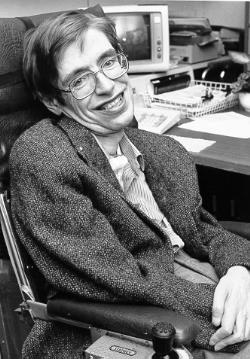
Stephen Hawking
1942–2018 · Theoretical physicist and cosmologistHe predicted thermal radiation by studying quantum fields in black hole geometry; deepened the questions between gravity, thermodynamics and information.
Read his contributions and works →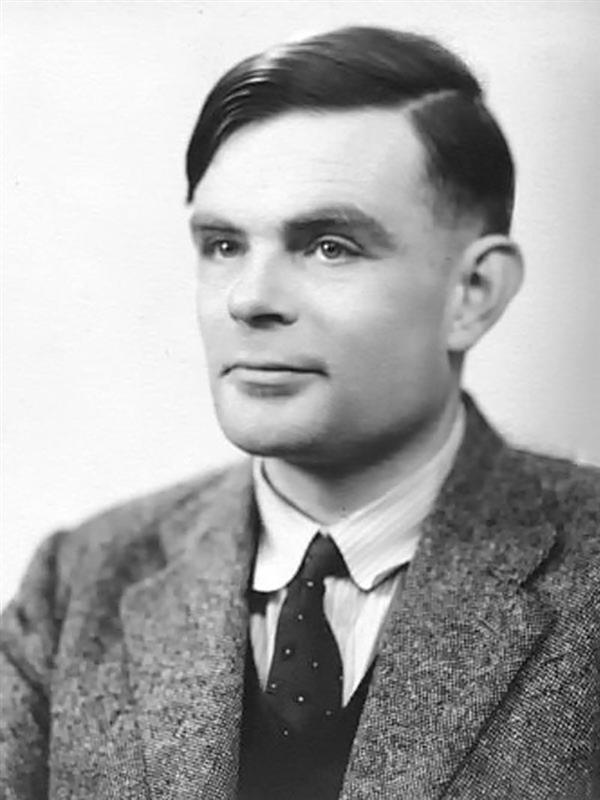
Alan Turing
1912–1954 · Mathematician and computer science pioneerHe mathematically examined the limits of computability; In 1950, he discussed machine intelligence with a debatable criterion through the imitation game.
Read his contributions and works →The texts here are sourced, original Turkish explanations; These are not direct quotes from individuals. Philosophical works, scientific articles, and theoretical predictions that have not yet been observed are cited separately. Portrait source and license are included in each file.
TOPIC GUIDE
What question are you after?
Cosmos, space-time, quantum physics, simulation hypothesis, theories of the universe, philosophy and artificial intelligence: explore scientific evidence and open questions together.
Start exploring: Cosmos, Quantum and Philosophy
If you are wondering about the structure of the universe, Cosmos; Quantum for measurement and entanglement; For questions of consciousness and reality, start with Philosophy.
Start with a question in the cosmos
Kara delikler: What is an event horizon and how do black holes work?
galaxy formation: How do gas and stars turn into cosmic structures?
dark matter: What is the evidence for matter that we cannot see?